Strangers on Paper
Play Strangers on Paper
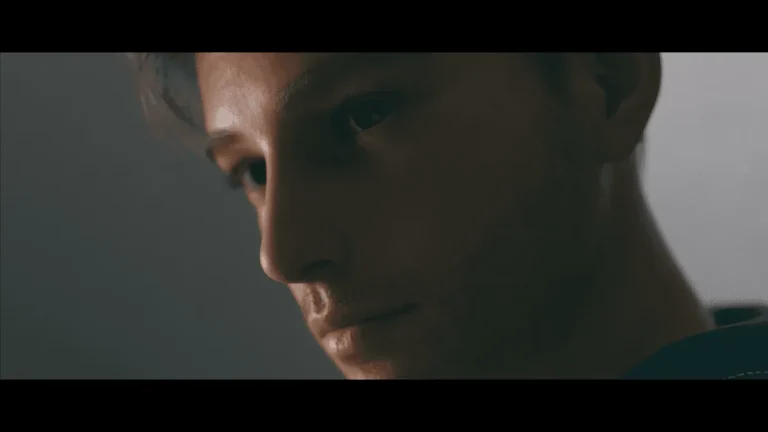
Strangers on Paper Screenshots
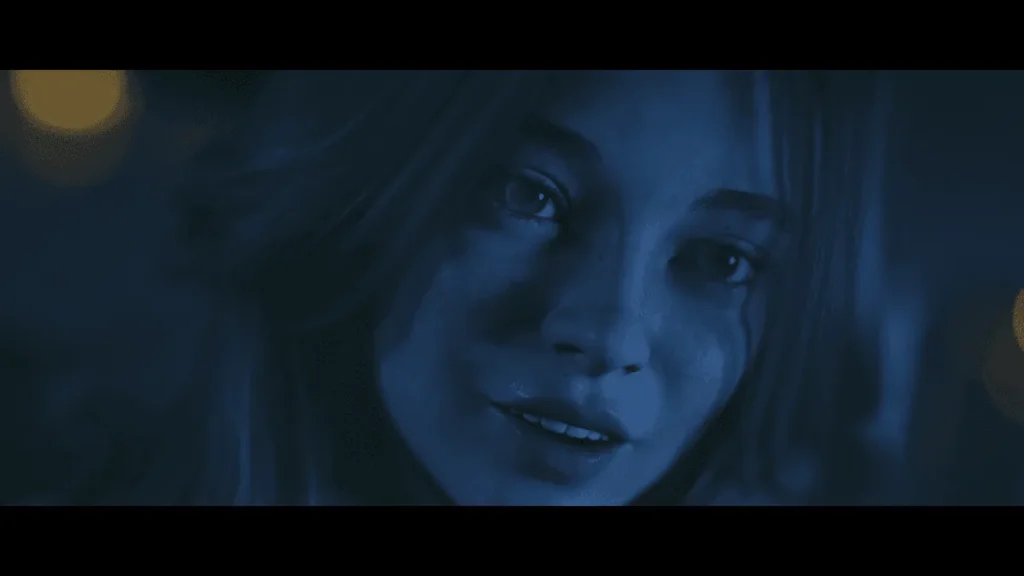







Strangers on Paper review
Discover the captivating story and immersive world of this visual novel adventure
Have you ever stumbled upon a game that pulls you into a world of mystery and connection through simple sketches? That’s exactly what Strangers on Paper offers—a narrative-driven visual novel where strangers connect on paper in ways that feel deeply personal. Released on Steam, this game blends stunning visuals, rich storytelling, and character depth that kept me hooked for hours. In this guide, I’ll share my firsthand experiences, practical tips to enhance your playthrough, and insights into why Strangers on Paper stands out in the visual novel genre. Whether you’re a fan of emotional tales or just curious, let’s dive into this paper-bound adventure together.
What Makes Strangers on Paper a Must-Play Visual Novel?
I still remember the first time I booted up Strangers on Paper. I was expecting a quiet, maybe even melancholic story about loneliness. What I got instead was a punch to the heart, wrapped in the most beautifully delicate package. 😮 By the end of the first chapter, I was completely invested, feeling a strange mix of hope and anxiety for these characters I’d just met. That’s the magic of this Strangers on Paper visual novel; it doesn’t just tell you a story—it makes you feel it, using every tool a great narrative game has at its disposal.
If you’re curious about what makes this title so special, let’s pull back the curtain. We’ll explore the profound story, the stunning art that brings it to life, and the choices that put the power squarely in your hands. By the end, you’ll see exactly why this is a must-play adventure.
Unpacking the Core Storyline and Themes 🧩
At its heart, the Strangers on Paper story is a masterclass in slow-burn connection. You step into the shoes of two individuals leading parallel, isolated lives in a sprawling city. Their initial link is fragile and old-fashioned: written notes. Maybe it starts with a letter left in a library book, or a message on a community bulletin board. This paper-thin thread slowly thickens into a lifeline as they share fears, dreams, and fragments of their world with someone they’ve never seen.
This isn’t a plot about grand adventures or epic battles. The Strangers on Paper gameplay loop is built around the tension and beauty of this unfolding correspondence. You’ll make choices about what to share, how to respond to vulnerability, and when to take a risk. The core tension is brilliant: you are both the architect of this relationship and a participant discovering it in real-time.
The themes it explores are what elevate it from a simple tale to a memorable experience. Here are the five that resonated with me most:
- The Weight of Urban Isolation: 😔 The game captures that specific loneliness of being surrounded by millions yet feeling utterly unseen. The city is a character itself—loud, busy, and indifferent—making the quiet intimacy of the letters feel like a sanctuary.
- The Courage in Vulnerability: Sharing a true thought on paper, knowing it will be read by another, is an act of bravery. The story celebrates the small, scary steps we take toward being known.
- Self-Discovery Through Another’s Eyes: 🪞 Sometimes, we understand ourselves better when reflected in someone else’s perception. The characters often reveal truths about themselves they didn’t even realize they were hiding.
- The Poetry of the Ordinary: The game finds profound meaning in everyday moments—a description of a rainy window, the taste of a bad cup of coffee, the sound of a distant train. It teaches you to look closer at your own world.
- Hope as a Choice: Despite the melancholy, the narrative is fundamentally about hope. It argues that connection is always possible, if you’re willing to reach out and be reached.
Why the Art Style Draws You In Every Time 🎨
If the story is the soul of Strangers on Paper, then its unique visual novel art style is the beating heart. Forget glossy, hyper-realistic 3D models. This game looks and feels like a living sketchbook. The art is predominantly hand-drawn, with visible pencil lines, gentle watercolor washes, and textures that make you want to reach out and touch the screen.
This choice is genius. The slightly imperfect, artistic quality directly mirrors the story’s themes. These characters aren’t polished ideals; they’re sketched into existence, flawed and human. The environments often blend detailed elements with dreamy, abstract backgrounds, focusing your attention on emotion and memory rather than pure realism. When a character describes their tiny apartment, you don’t just see it—you feel its cramped warmth through the art.
This visual novel art style does more than look pretty; it deepens the immersion. A joyful memory might burst with bright, warm colors, while a moment of anxiety could be drawn with sharper, darker lines. The art becomes a direct conduit for the characters’ inner worlds, making every scene a personal, emotional experience. It’s a constant reminder that you’re navigating a story, not just a simulation.
Player Choices: How They Shape Your Journey 🧭
This is where you become part of the Strangers on Paper story. The Strangers on Paper gameplay is deceptively simple: you read, and you choose. But don’t be fooled. Each decision, from the seemingly trivial to the profoundly personal, sends ripples through the entire narrative, ultimately determining your path toward the Strangers on Paper endings.
Think of it as tending a delicate plant. Your choices are the water and sunlight. Nurture trust and openness, and you’ll guide the relationship toward deeper connection and understanding. Choose humor to deflect, or hold back your true feelings, and you’ll shape a very different dynamic. The game tracks more than just “right” or “wrong” answers; it tracks the tone and depth of your evolving bond.
A Mini Case Study: The Café Confession
Early on, your character might describe a favorite café. A simple choice appears: Do you mention the barista you have a quiet crush on, or keep the description purely about the coffee? This seems small. But if you share that secret, it establishes a precedent of personal risk-taking. Later, when a much heavier secret is shared with you, the game remembers your earlier vulnerability. You may get a unique, more open response option because you’ve already built a foundation of trust. It’s this cause-and-effect that makes the Strangers on Paper gameplay so satisfying.
So, how to play Strangers on Paper for the best experience? My advice: play from the heart on your first run. Don’t try to “game” the system. Choose what feels authentic to you in the moment. You’ll get a deeply personal ending that reflects your own instincts about connection. Then, go back! Replay chapters and experiment. See how a more cautious or more bold approach alters every subsequent interaction. The replay value is immense.
To help plan your journey, here’s a non-spoiler overview of how your choices funnel toward the major conclusions:
| Your Overall Approach | Relationship Direction | Key to Unlocking |
|---|---|---|
| Consistently open, vulnerable, and supportive. Share your own fears to encourage theirs. | Toward a deep, trusting, and intimate bond. | The most connected, “fulfilled” ending paths. |
| Balanced. Mix of support and light-hearted deflection. Protect your own character’s heart a bit more. | A strong, genuine friendship with clear boundaries. | Satisfying, “bittersweet but hopeful” conclusions. |
| Guarded, distant, or frequently sarcastic. Avoid emotional topics and keep walls up. | A polite but ultimately superficial pen-pal relationship. | Endings centered on solitude or missed opportunity. |
The true strength lies in the character development, which is entirely shaped by you. You don’t just watch two people change; you are the catalyst for that change. Their growth—or lack thereof—feels like a direct result of your input, making the finale immensely powerful. Whether you reach a finale of joyful meeting, peaceful understanding, or poignant solitude, it will feel earned. That’s the mark of a brilliantly designed Strangers on Paper visual novel.
FAQ: Your Strangers on Paper Story Questions Answered
Q: How many different endings are there, really?
A: Without giving specifics, there are multiple core Strangers on Paper endings, each with slight variations based on very specific mid-game choices. Think of it as having a few distinct destinations, but the exact scenery you see upon arrival can change.
Q: Is the story sad the whole time?
A: Not at all! 😊 While it deals with themes of isolation, it’s equally about the relief, joy, and humor found in connection. The tone swings naturally like a real conversation—sometimes contemplative, sometimes surprisingly funny, and often warmly hopeful.
Q: Do I need to play multiple times to get the “full” story?
A: You’ll get a complete and satisfying story in one playthrough. However, additional replays are highly rewarding, as they reveal how different choices alter character reactions and unlock new narrative layers you completely missed the first time. It’s designed to be experienced more than once.
Strangers on Paper isn’t just a game—it’s an emotional journey through ink and paper that lingers long after the credits roll. From its gripping narrative and beautiful visuals to the meaningful choices that define your path, it delivers a unique experience that blends intimacy with intrigue. I remember finishing my first playthrough feeling profoundly connected to these paper strangers, and I bet you will too. Ready to sketch your own story? Head to Steam, grab Strangers on Paper today, and let the adventure unfold. Share your favorite moments in the comments—I’d love to hear how it touched you!