
To Be A King – Volume 1 Screenshots









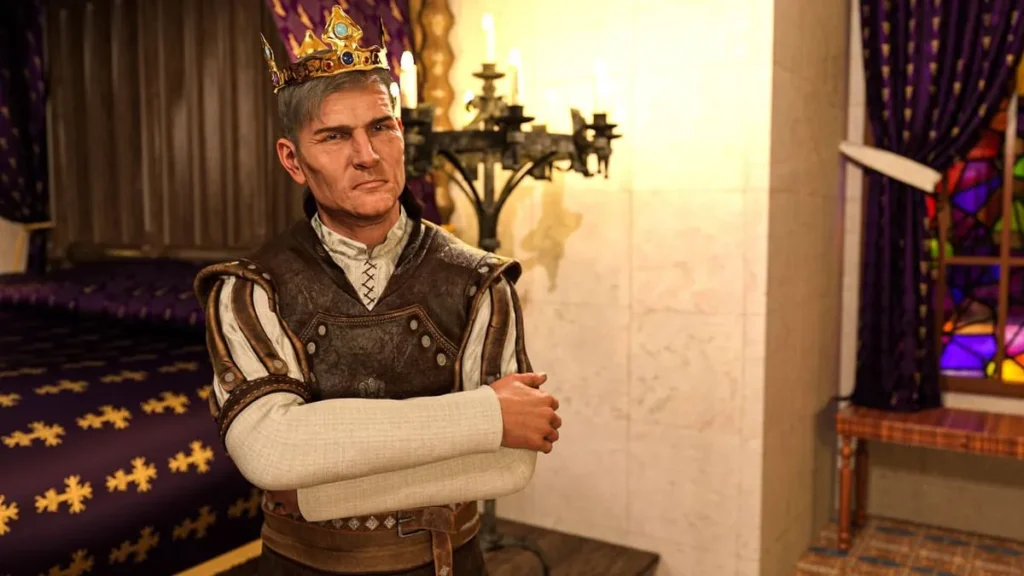
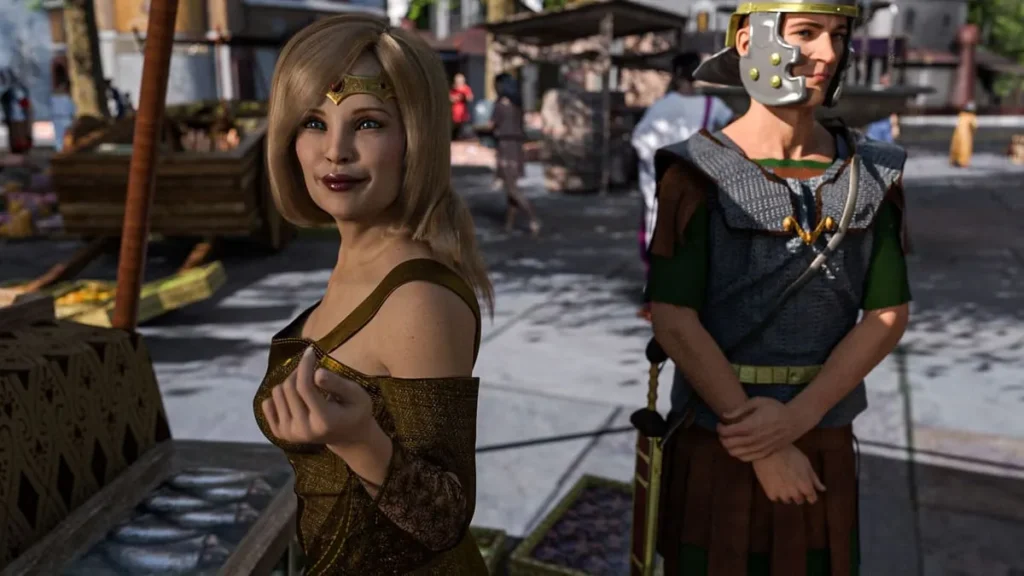




To Be A King – Volume 1 review
Master Empire Management, Political Intrigue, and Relationship Building in This Epic Visual Novel
To Be A King Volume 1 stands out as a sophisticated adult visual novel that blends empire management with deep narrative storytelling. Players assume the role of a Roman emperor, navigating complex political landscapes while building relationships and managing their growing influence. This immersive experience combines strategic decision-making with character-driven storytelling, offering players the chance to shape their own destiny through meaningful choices. Whether you’re drawn to political intrigue, relationship development, or empire-building mechanics, this visual novel delivers a rich, layered experience that keeps players engaged across multiple playthroughs.
Gameplay Mechanics and Core Features of To Be A King Volume 1
Ever feel like you’re juggling flaming swords while riding a unicycle? That’s the exhilarating, heart-pounding sensation at the core of To Be A King Volume 1 gameplay. This isn’t your typical passive visual novel; it’s a hands-on throne where every choice ripples through your kingdom, your alliances, and your heart. 🫅⚔️
You don’t just read a story—you live it, breathe it, and desperately try to steer it away from disaster (or glorious, self-made chaos). The genius of this empire management visual novel is how it seamlessly blends deep strategic simulation with compelling character drama. One moment you’re allocating grain reserves to stave off a famine, the next you’re navigating a tense private audience that could end in a new alliance or a poisoned cup. It’s this constant, delicious tension between the macro and the micro that had me hooked for hours.
Let me paint a picture from my own playthrough. Early on, I faced a drought in the farmlands. My treasury was low, so I had to choose: dip into funds meant for the army to buy emergency supplies, or let the people suffer and risk unrest? I chose the people. A noble gesture, right? Well, weeks later, a rival nation, smelling weakness, threatened our borders. My underfunded military was a paper tiger. That single decision about grain echoed into a full-blown diplomatic crisis I had to talk my way out of. This cause-and-effect chain is the soul of the game. Your empire isn’t a background setting; it’s a living, breathing character that reacts to every move you make.
### Empire Management and Strategic Decision-Making
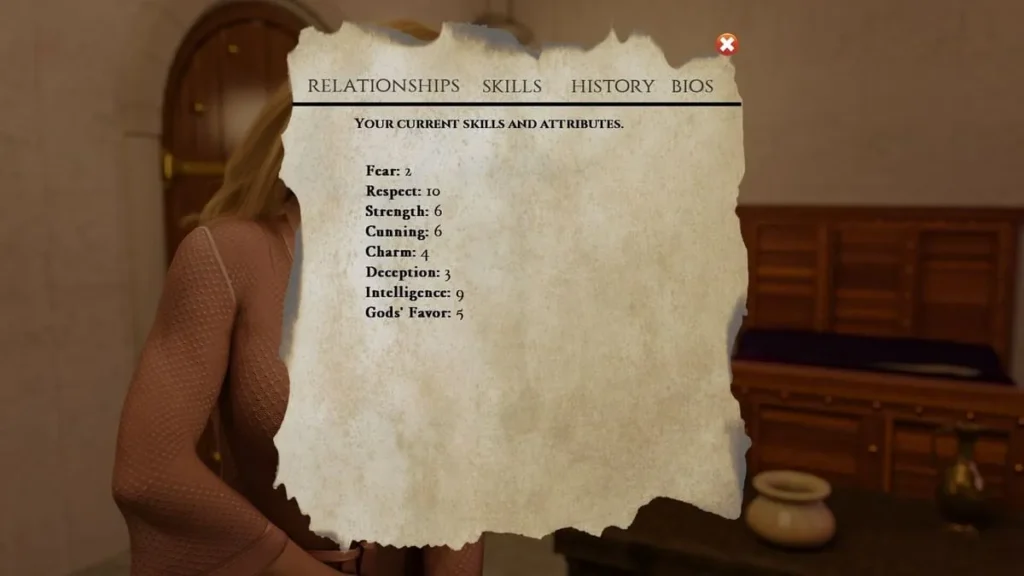
Forget dry spreadsheets and abstract numbers. The empire management here feels tangible and urgent. You are presented with clear, narrative-driven problems that require strategic resource allocation. Think of your kingdom as a complex engine with three core resources: Wealth, Influence, and Public Order. 🏰💎
Wealth builds infrastructure and funds armies. Influence sways nobles and opens diplomatic doors. Public Order keeps the populace from revolting. The trick is, they’re always in flux. A lavish festival (spending Wealth) might boost Public Order, but the neighboring duke sees it as decadence, costing you Influence. It’s a brilliant, never-ending puzzle.
The visual novel empire strategy shines in how these choices are framed. You’re never just clicking “+5 to Agriculture.” Instead, your steward presents you with a dilemma: “Your Majesty, the miners in the northern hills are striking. We can meet their demands (costs Wealth, boosts Order), suppress them with the guard (costs Order, may cost Influence if seen as cruel), or I could investigate their foreman for corruption (spends Influence, could solve it for free if successful).” Each option feels real, each has narrative weight.
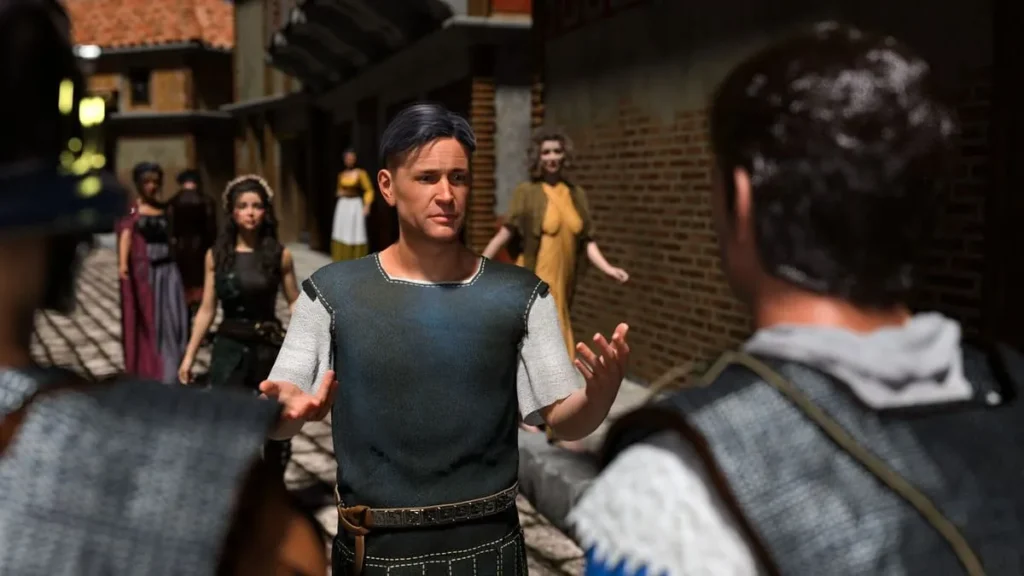
The strategic decision-making extends to grand diplomacy. You’ll interact with other nations, each with unique personalities and goals. Forming an alliance isn’t just clicking a button; it requires building trust through shared actions, offering support in their times of need, and sometimes, making painful concessions. This is where your political intrigue game features begin to merge with statecraft. A rival kingdom might offer a generous trade deal—but is it a genuine offer of peace, or a ploy to make you economically dependent?
Here are some key decision points that I found significantly altered my story’s trajectory:
- The Military Parade: Early on, you decide the scale of a royal parade. A modest show conserves Wealth but may make you look weak. A grand display projects power (boosting Influence) but drains the treasury and could intimidate your allies. My “grand” choice later allowed me to bluff my way through a border dispute without firing a shot.
- The Succession Crisis in a Neighboring Duchy: Do you support the elder, traditionalist heir or the younger, reformist sibling? Your choice determines your future ally’s personality and priorities, unlocking entirely different quest lines and strategic opportunities.
- The Royal Edict on Trade: Will you favor the merchant guilds (massive Wealth boost, angers the land-owning nobles) or the old aristocracy (secures their Influence, slows economic growth)? This shapes your entire mid-game economy and which faction becomes your internal enemy.
- Personal Intervention in a Crisis: When plague hits a town, do you send your best physician (losing their services at court), allocate funds for a general remedy, or go yourself to inspire the people (risking your health but massively boosting Order)? This choice tested my roleplay as a ruler versus a compassionate human.
This system creates a profoundly personal sandbox. No two playthroughs will forge the same kingdom, because you are defining what kind of monarch you are through every single action. 🗺️✨
### Character Relationships and Harem Building System
Now, let’s talk about the heart of the palace—its people. The relationship building mechanics in To Be A King are arguably its crowning achievement. Every significant character, from your cunning spymaster and loyal general to foreign diplomats and court artists, is a fully realized person with desires, fears, and agendas. Your To Be A King character relationships are the emotional engine of the story.
The so-called harem building system is much more nuanced than the term implies. Yes, you can pursue romantic connections with multiple captivating characters, but it’s far from a simple collection game. These are complex, intertwined narratives. Pursuing the fiery knight-commander might earn the quiet disdain of the scholarly royal archivist who secretly admires you. You’re not just managing a kingdom; you’re managing a web of human emotions.
Each relationship is built through choices. Do you share a moment of vulnerability with the stoic bodyguard after an assassination attempt, or maintain a regal distance? Do you accept the provocative gift from a seductive ambassador, knowing it’s a political trap wrapped in silk? These moments, big and small, fill a unique “Connection” meter for each character, unlocking deeper conversations, personal quests, and romantic pathways.
But beware—characters talk to each other! 👥💔 I learned this the hard way. After growing close to both a noble lady and a commoner poet I’d patronized, I faced a devastating scene where they confronted me together, forcing me to make a painful choice. The game doesn’t judge you for pursuing multiple romances, but it absolutely ensures there are narrative consequences, making every relationship feel earned and impactful.
These bonds are also practical. A high connection with your spymaster unlocks better intelligence reports. A strong friendship with your treasurer might get you a loan when Wealth is low. The relationship building mechanics are thus fused with the strategy layer; your personal charisma and loyalty directly empower your rule. It masterfully blends the personal and political, making you care deeply about the people who help you run your realm.
### Political Intrigue and Diplomatic Options
If empire management is the body of your rule, and relationships are the heart, then political intrigue is the sharp, darting mind you need to survive. The court is a snake pit of ambition, and everyone has a dagger—sometimes literal, often metaphorical. 🐍🗡️
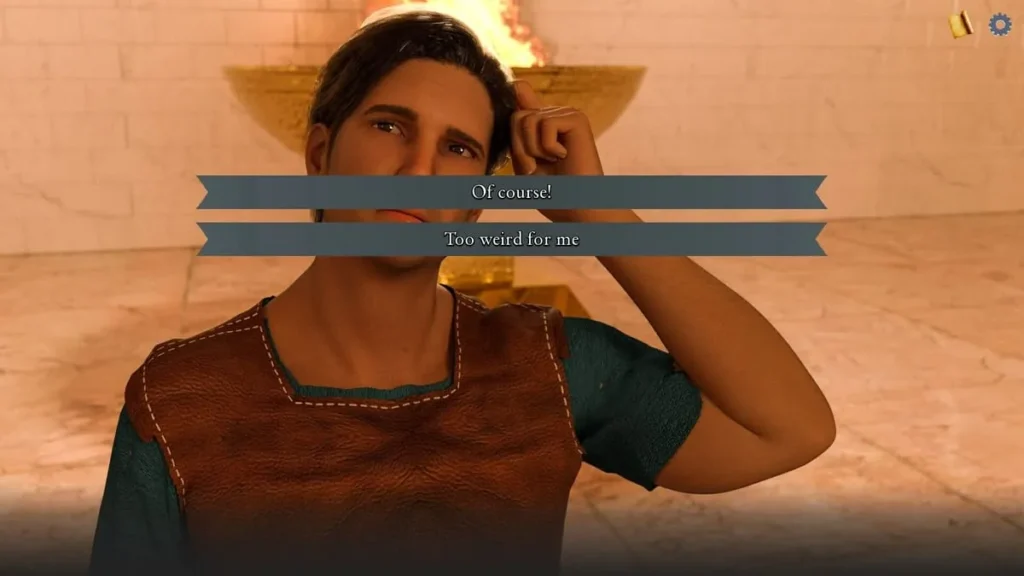
This is where the game truly earns its stripes. The political intrigue game features aren’t a separate mini-game; they are the very fabric of interaction. A dinner party is a battlefield. A private hunt is an intelligence-gathering operation. Every smile hides a calculation. You’ll uncover secret plots, plant misinformation, blackmail corrupt officials, and decide the fates of traitors—all through the classic visual novel choice system, now charged with life-or-death stakes.
Your diplomatic options are your primary weapons in this shadow war. Negotiating a treaty isn’t just about terms; it’s about reading the other ruler’s personality. Are they honorable? Appeal to their sense of justice. Are they greedy? Dangle a lucrative trade concession. Are they paranoid? Suggest a mutual defense pact against a common, perhaps exaggerated, threat. The visual novel empire strategy here is pure psychological gameplay.
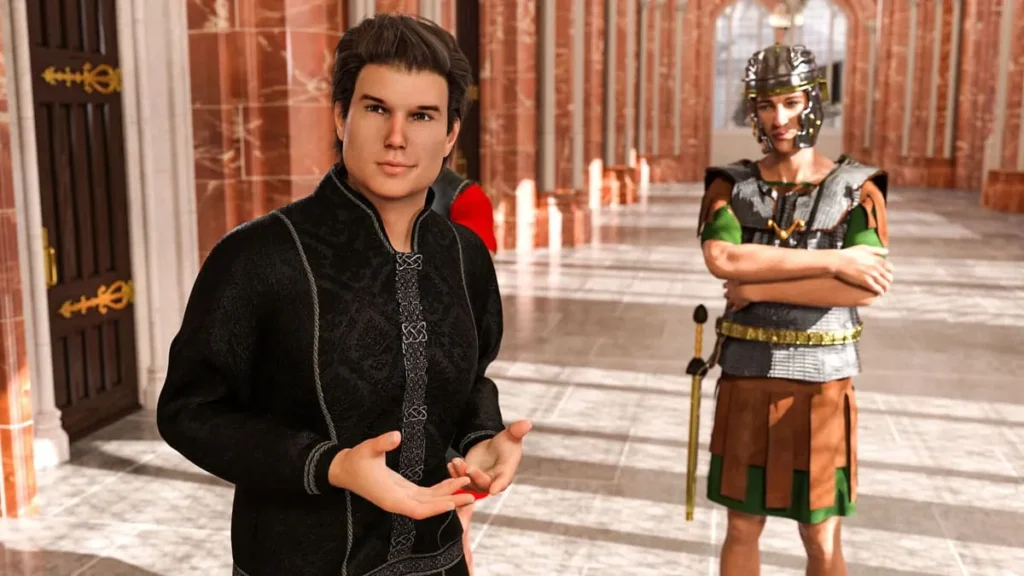
You have a council of advisors, each with their own biases, who will offer conflicting advice on every major issue. Your head of religion might urge piety and tradition, while your master of coin advocates for pragmatic, profit-driven solutions. Who you listen to not only shapes your policy but also empowers that faction within your court, potentially alienating others. Balancing your council is a delicate, ongoing intrigue in itself.
To help visualize how these three core pillars interact to define your reign, here’s a breakdown:
| Core System | Key Features & Actions | Primary Player Impact |
|---|---|---|
| Empire Management | Resource allocation (Wealth, Influence, Order), infrastructure projects, crisis resolution, grand strategy. | Determines the strength, stability, and economic power of your kingdom. Directly affects your capacity for war, diplomacy, and internal projects. |
| Character Relationships | Dialogue choices, gift-giving, personal quests, romantic pursuits, conflict mediation. | Builds a network of loyal allies (or bitter enemies), unlocks unique abilities and storylines, and shapes the personal emotional narrative of your rule. |
| Political Intrigue | Court faction management, espionage, diplomatic negotiations, uncovering plots, making moral judgments on traitors. | Secures your power from internal threats, shapes international relations, and opens or closes strategic pathways through cunning and persuasion. |
The mature content in the game deserves a mention—it’s never frivolous. It’s woven into these relationship and intrigue pathways as a natural culmination of deep connection, tension, or, at times, political manipulation. It serves the narrative, offering moments of genuine intimacy or shocking revelation that further bind you to the world and its characters.
In the end, To Be A King Volume 1 gameplay offers an unmatched fusion of genres. It asks you to be a strategist, a diplomat, a lover, and a detective—all before lunch. Your choices in resource management, your To Be A King character relationships, and your skill in navigating political intrigue don’t just lead to different endings; they craft a completely unique story about your king and the legacy he leaves behind. It’s a challenging, engrossing, and deeply personal experience that redefines what an empire management visual novel can be. Now, if you’ll excuse me, my spymaster just delivered a troubling report, and I have a duchess waiting in the gardens… the throne never rests. 👑🔥
To Be A King Volume 1 delivers a compelling blend of empire management, political strategy, and character-driven storytelling that appeals to players seeking depth beyond traditional visual novels. The game’s intricate relationship system, meaningful choices, and complex political landscape create an engaging experience that rewards careful planning and strategic thinking. With its sandbox-style gameplay allowing player freedom and multiple branching paths based on your decisions, the game offers substantial replay value. Whether you’re interested in building alliances, managing diplomatic relations, or developing deep connections with diverse characters, To Be A King Volume 1 provides a rich, immersive experience that justifies its reputation as a sophisticated adult visual novel. For players seeking a game that combines narrative depth with strategic gameplay elements, this title represents a worthwhile investment of your time.