
The Fiery Scion
Play The Fiery Scion
The Fiery Scion Screenshots



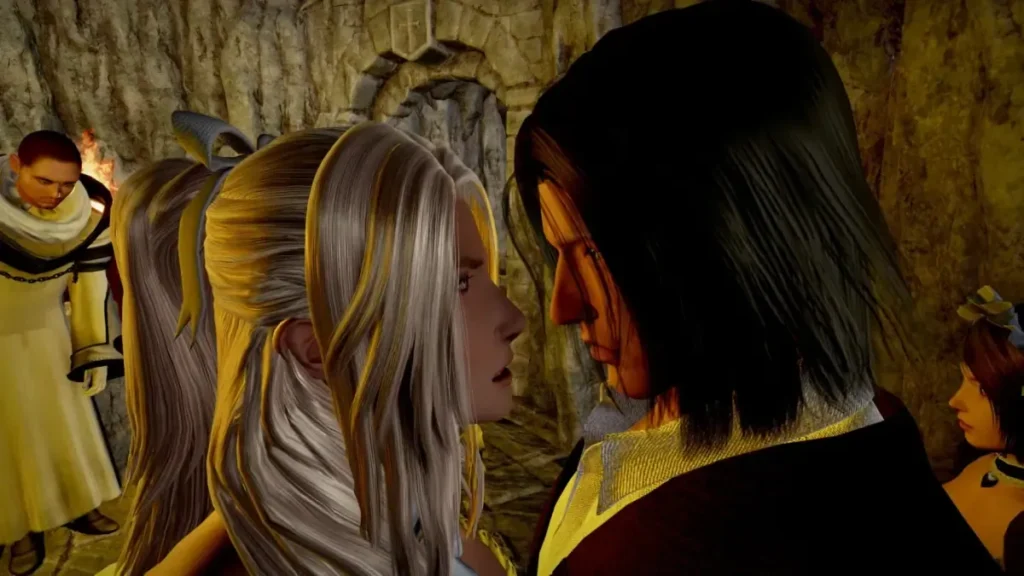





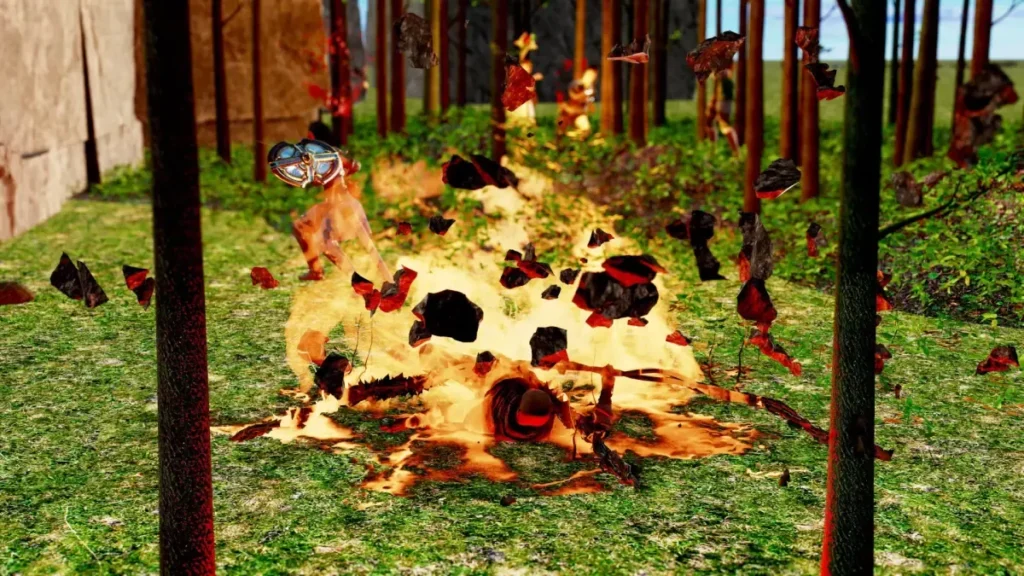
The Fiery Scion review
Master Flames, Conquer Ruins in This Intense Action Game
Imagine awakening as the last heir of a fallen fire dynasty, flames flickering in your veins amid crumbling ruins—that’s the gripping start of The Fiery Scion. This action RPG blends brutal combat, deep resource management, and a world of somber beauty, where every swing of your blade feels weighty and meaningful. I’ve lost count of the hours I poured into mastering its Ember Core system, that internal furnace powering your devastating Cinder Arts while risking deadly Overheat. If you’re diving into The Fiery Scion gameplay, this guide shares my personal triumphs, pitfalls, and strategies to help you reclaim your birthright. Let’s ignite your journey!
What Makes The Fiery Scion Gameplay So Addictive?
I remember the exact moment I realized The Fiery Scion wasn’t playing around. I was deep in the Ashen Catacombs, my screen a pulsating crimson, my character moving like they were wading through tar. A hulking Cinderwight was bearing down on me, and I thought one more powerful Cinder Arts ability would finish it. I unleashed a “Molten Cleave”… and my character just… stopped. Frozen in place, wreathed in unstable flame, completely vulnerable. The Cinderwight’s club ended my run in one swing. That was my brutal introduction to the Overheat mechanic, and it’s a big part of why the Fiery Scion gameplay loop is so compelling. It’s not just about unleashing power; it’s about mastering the fire within. 🔥
This game demands respect. It asks you to learn its rhythms, understand its internal logic, and overcome its challenges through sheer grit and growing skill. The satisfaction doesn’t come from easy victory, but from hard-fought mastery. Let’s break down exactly what makes playing this game such an addictive, punishing, and ultimately rewarding experience.
How Does the Ember Core Mechanic Work?
At the absolute heart of how to play The Fiery Scion is the Ember Core. Think of it not as a mana bar, but as a living, breathing furnace inside your character. Every action you take—from a basic sword swing infused with flame to a devastating magical technique—stokes this internal fire. This is your resource, your weapon, and your greatest liability all in one.
The Ember Core has three distinct states, and your survival depends on reading them:
- Normal State: Your core burns steadily. Abilities cost Heat to use, but it dissipates quickly. This is your window for exploration and engaging basic foes.
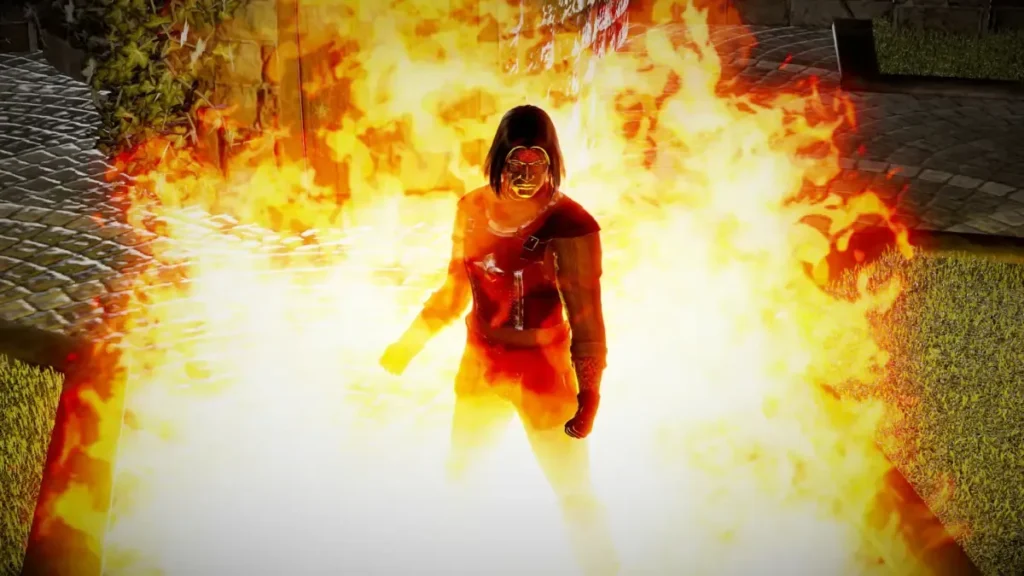
- Heated State: As you chain attacks or use powerful Cinder Arts, the Heat builds. Your UI will glow orange, and your attacks may gain slight damage bonuses, but your Heat dissipation slows to a crawl. The risk is rising. ⚠️
- Overheat State: Cross the threshold, and your core goes critical. You are stunned, completely defenseless for several seconds, and take increased damage. In tougher fights, this is almost always a death sentence.
The genius of this system is that it turns every encounter into a tense dance. You can’t just spam your strongest moves. You have to pace yourself, weave in basic attacks to let the Heat settle, and use your defensive tools wisely. Managing your Ember Core is the first, and most important, skill you need to learn.
Pro Tip: Your block is your best friend for Heat management. A perfectly timed block not only negates damage but also vents a chunk of your accumulated Heat. It’s the game’s way of rewarding defensive precision and tying it directly into your resource economy.
To visualize the constant push and pull of the Ember Core, here’s a breakdown of its states:
| State | Effects & Visual Cues | Management Tips |
|---|---|---|
| Normal | Core glow is a calm yellow-orange. Heat dissipates rapidly after actions. | This is your planning phase. Be aggressive, experiment with ability combos, and build your Heat intentionally. |
| Heated | UI pulses a vibrant orange. Heat dissipation slows by 70%. Attacks may have +10% damage. | Switch to a more cautious style. Use basic attacks, focus on positioning and blocking to vent Heat. Avoid big, costly Arts. |
| Overheat | Screen edges burn crimson. Character is stunned and takes 50% more damage for 3 seconds. | This is a failure state. If you see it coming, disengage entirely and run. The only “counter” is not letting it happen. |
Mastering this cycle is the core of Fiery Scion gameplay. It forces intentionality and makes every victory feel earned because you managed your inner flame perfectly. Now, where do you apply this hard-learned control? In the somber, beautiful, and dangerous world the game lays out before you.
Navigating the Semi-Open World and Ruins
The Fiery Scion presents its world from a tight third-person perspective that makes you feel the weight of every step. This isn’t a sprawling open world filled with map markers; it’s a semi-open world of interconnected regions, ancient ruins, and treacherous pathways. The tone is one of somber resilience. You’re not a hero in a shining land; you’re a survivor in a world that’s already burned, searching for answers and strength in the ashes.
The UI reflects this beautifully—it’s minimalist, almost stark. Your health and Ember Core Heat are prominent, but there’s no minimap cluttering the screen. You navigate by looking at the environment: a worn path, a distant glow from a Checkpoint Brazier, the ominous architecture of a ruin against the grey sky. Exploration is rewarded with hidden paths leading to powerful Cinder Arts scrolls, upgrade materials for your gear, and lore fragments that piece together the story of the fall.
Your first major zone, the Ashen Catacombs, is a perfect introduction. It’s a labyrinth of crumbling stone and smoldering embers, teaching you the rules of engagement.
When you first step into the Ashen Catacombs, focus on these initial objectives:
* Follow the main path to get a feel for the movement and combat against basic foes.
* Practice the core loop: Engage, build Heat, retreat to vent, re-engage. Don’t be afraid to die while learning.
* Locate the first Checkpoint Brazier. These are your safe havens, where you can level up, memorize new Cinder Arts, and take a breath.
* Observe the environment. Look for broken walls, alternate pathways, and hidden ledges. The best tools are often off the beaten path.
This style of exploration makes the world feel tangible and dangerous. You’re not following a dotted line; you’re learning a landscape. And every corner of that landscape is designed to test the Fiery Scion combat skills you’re developing.
Why Combat Feels Brutal Yet Rewarding
Let’s be clear: Fiery Scion combat is not a hack-and-slash power fantasy. It is a weighty, deliberate system where every swing commits you, every dodge consumes stamina, and every enemy can punish greed. It feels brutal because it demands precision. A basic Cinder Thrall can end you if you get careless and Overheat in the middle of a group. This creates a tension where no enemy is truly trivial, and every victory, no matter how small, feels legitimate.
The depth comes from layering the Ember Core management on top of this physical combat. Your Cinder Arts aren’t just “special moves”; they are tactical tools. One Art might be a wide sweep perfect for groups, another a piercing thrust for armored foes, and a third a quick dash that also vents Heat. Choosing which Arts to memorize at a Brazier becomes a strategic decision based on the challenges you’re facing.
But the true test, and the peak of the game’s rewarding feel, are the boss fights. I’ll share my case study: The Guardian of the First Ember, a massive knight clad in molten rock, waiting at the heart of the Ashen Catacombs.
My first attempt was a humbling 30-second wipe. I panicked, used my strongest Cinder Arts back-to-back, Overheated, and was smashed. Attempts two through five were about learning its patterns: a three-swing combo, a delayed ground slam, a deadly charging lunge. I was learning the “souls” of the fight, but I was still treating my abilities as a damage dump.
By attempt eight, my mindset shifted. I stopped trying to kill the boss and started trying to outlast it. I used a fast, light Cinder Art to poke after its big slam, then immediately blocked its follow-up to vent the Heat. I saved my heavy Art only for when it staggered, ensuring I wouldn’t Overheat during its recovery. I danced at the edge of my Heated state, maximizing damage output while staying just safe.
On the tenth attempt, everything clicked. The fight was a five-minute marathon of concentrated focus. When the Guardian finally fell, dissolving into a shower of embers, the rush was incredible. It wasn’t luck; it was applied learning. I had mastered the mechanics in the crucible of that fight.
This steep learning curve is exactly what makes the game so addictive. The failure is frequent, but it’s almost always informative. You don’t lose to random chance; you lose because you mismanaged your Heat, misread a tell, or got greedy. And because of that, every victory is a personal accomplishment. You didn’t just beat a boss; you mastered a system.
The Fiery Scion gameplay loop of tense exploration, resource-management combat, and epic, demanding boss battles creates a uniquely satisfying experience. It’s a game that respects your intelligence and rewards your perseverance with some of the most hard-earned victories in gaming. Now that you understand the core flame within, are you ready to learn about shaping it? In the next section, we’ll delve into the arsenal of Cinder Arts and how to build your perfect playstyle from the embers of victory. 🔥
From the flickering embers of the Ashen Catacombs to unleashing devastating Cinder Arts on mighty bosses, The Fiery Scion delivers a raw, resilient adventure like no other. My own journey through its brutal combats and heat management taught me the thrill of scraping victory from defeat, turning a lone survivor into a fiery legend. Whether you’re mastering the Ember Core or exploring decaying ruins, this game rewards patience and precision. Dive in today, light up those ruins, and share your epic tales—your birthright awaits!