
Tales of Unity
Play Tales of Unity
Tales of Unity Screenshots
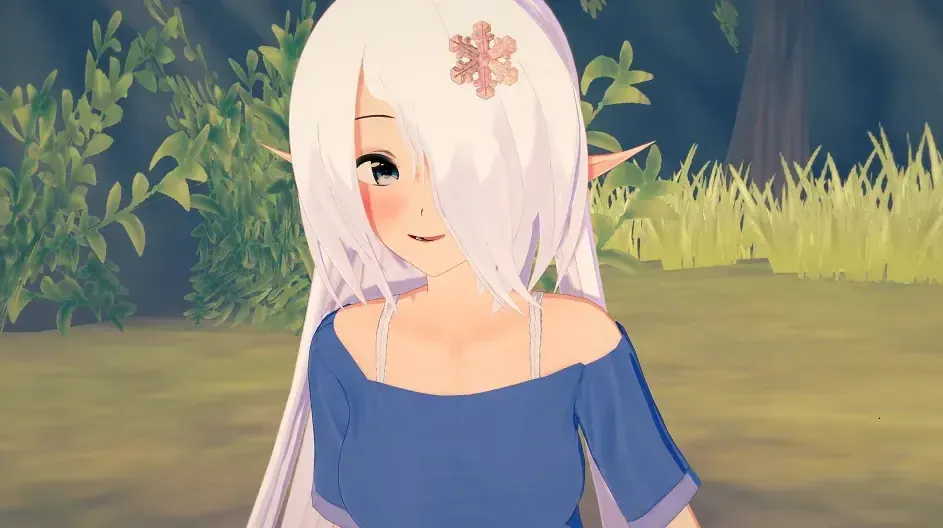
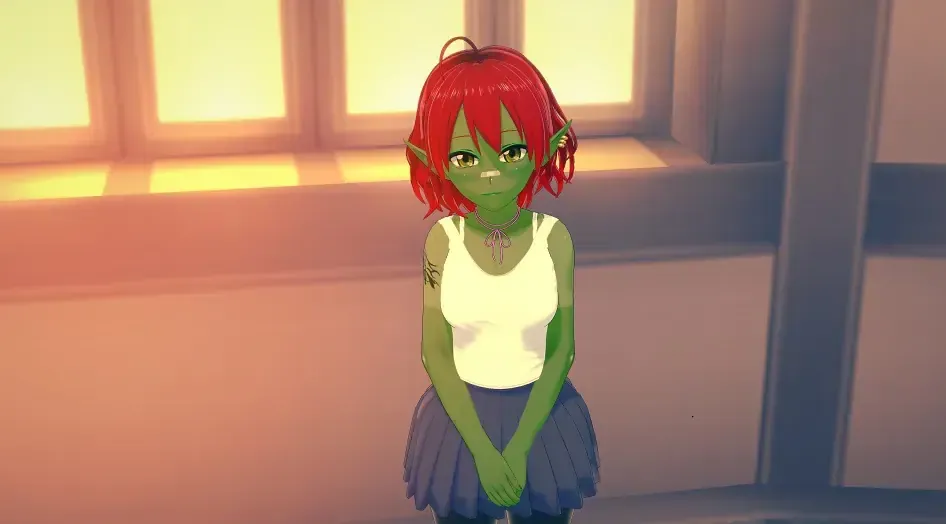
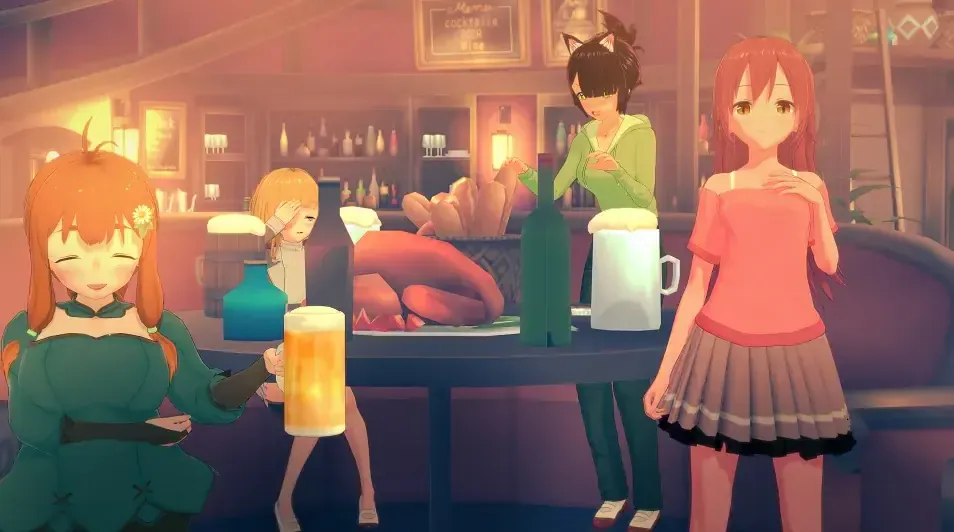
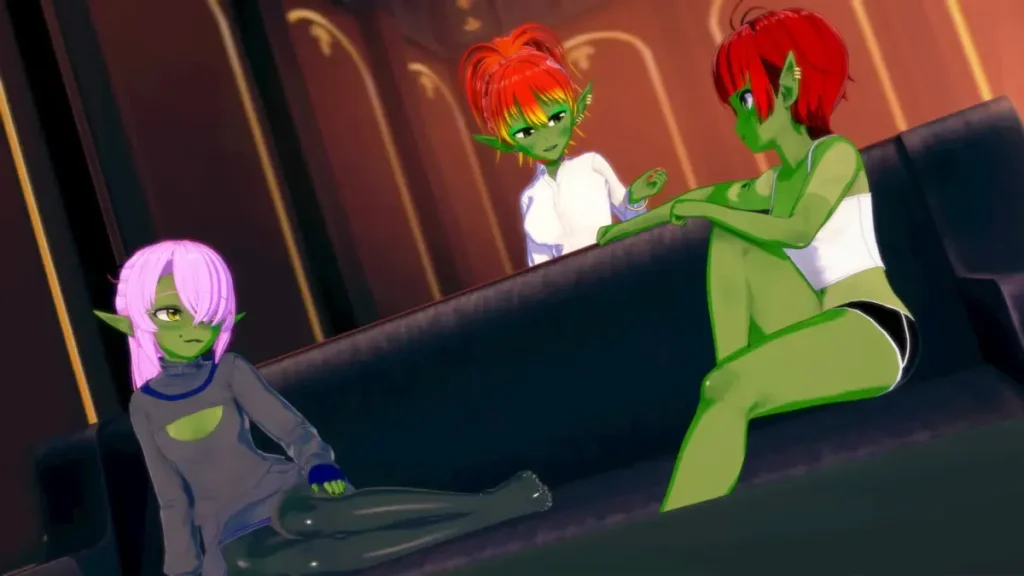
Tales of Unity review
Discover the captivating story and immersive experiences in this standout title
Imagine diving into a world where every choice weaves a tapestry of adventure, romance, and intense encounters in Tales of Unity. This adult visual novel has captivated players with its masterful storytelling, proving that games like this can deliver narratives as gripping as any mainstream hit. From intricate character arcs to branching paths that keep you hooked for hours, Tales of Unity stands out in the crowded field of interactive experiences. Whether you’re a longtime fan of story-driven titles or new to this genre, I’ll share my personal journey through its realms, tips to maximize your playthrough, and why it’s a must-try. Let’s explore what makes this game a true gem.
What Makes Tales of Unity a Storytelling Masterpiece?
I still remember the moment my hands froze over the keyboard. It was my first playthrough of Tales of Unity, and I was facing the choice in the Sunken Crypt. Do I trust the mysterious, wounded guardian sworn to protect a dangerous artifact, or do I heed the urgent warnings of my closest companion, who claims the guardian’s very presence is a lie? I clicked, convinced I was making the “right” call for the story. The immediate result was a tender, heartfelt scene that felt like a victory. Then, twenty hours later, that same choice echoed back with devastating force, unraveling an alliance I thought was unbreakable. That’s the genius of this game. The Tales of Unity story isn’t just told to you; it’s a delicate house of cards you build with your own hands, never quite sure which card will bring it all tumbling down. 😮
This is what separates a good visual novel from a legendary one. Tales of Unity doesn’t just have a plot; it crafts a living, breathing experience where every whispered secret and bold declaration matters. Let’s dive into why its narrative isn’t just content—it’s a masterpiece of interactive fiction.
Unpacking the Core Narrative and World-Building
At its heart, the Tales of Unity narrative is a symphony of high fantasy and intimate human (and non-human) drama. You play as a Rune-Weaver, a rare individual who can bind the fractured magical energies of the world of Elyria. This isn’t just a cool power for combat; it’s the core metaphor for the entire game. Your journey is about binding together broken kingdoms, conflicting ideologies, and hearts scarred by a century-long war. The Tales of Unity world building is breathtaking in its detail. From the gaslit, steam-powered streets of the human capital of Veridia to the eerie, silent forests of the reclusive Fae, every location feels inhabited, with its own history, politics, and secrets simmering beneath the surface. 📚✨
The game seamlessly blends epic adventure with mature, emotionally resonant themes. We’re talking about the cost of peace, the weight of legacy, the blurred line between justice and vengeance, and the complexities of desire and connection. These aren’t just backdrops for steamy scenes; they are the fuel for the characters’ motivations and, by extension, your decisions. This rich lore is the soil from which the game’s famous branching storylines grow.
Speaking of branches, let’s talk about the Tales of Unity endings. There is no single “true” ending. Instead, your path culminates in one of several profoundly different conclusions, each a direct reflection of the alliances you’ve forged, the truths you’ve uncovered (or buried), and the personal philosophy your Rune-Weaver has embodied. Will you usher in a fragile new dawn of cooperation? Seize power to enforce a lasting order? Or perhaps walk away from it all, choosing personal love over worldly responsibility? The emotional depth here is staggering—I’ve finished routes feeling triumphant, heartbroken, pensive, and shocked, all because the game makes you feel the consequences of your curated journey. This commitment to player-shaped outcomes is what creates the legendary replay value and fuels endless community debates about the best Tales of Unity routes.
How Player Choices Shape Epic Outcomes?
The magic of Tales of Unity isn’t that choices exist—it’s how they function. This isn’t a simple “good vs. evil” slider. The Tales of Unity choices system is a web of interconnected trust, affection, and ideological alignment. A seemingly minor decision to share your lunch with a sidelined soldier in Act I might unlock a crucial dialogue option where they vouch for you in Act III. Conversely, choosing the most efficient, “logical” solution to a political dispute might quietly lower the affinity of a companion who values mercy above all else, locking you out of their route long before you realize it.
The game is famous for its Tales of Unity plot twists, and the best ones don’t feel like cheap shocks. They feel like inevitable revelations, the ground finally giving way after you’ve been carefully ignoring the cracks. A trusted ally revealed as a traitor hits infinitely harder when you realize your own past choices enabled their deception.
So, how do you navigate this beautifully complex web? Here is my hard-earned, actionable advice:
Always create a manual save before any major story chapter or seemingly innocent multi-option dialogue. The game’s auto-save is generous, but you want a named anchor point you can return to. I have saves labeled “Before the Council Debate” and “Garden Conversation with Kaelan” for a reason!
This leads to the glorious replay value. Your second playthrough isn’t a chore; it’s a revelation. You’ll notice foreshadowing you missed, understand why a character reacted with cold silence, and discover entire scenes and character arcs that were completely invisible before. On my third replay, I stumbled into a hidden route by making a series of choices that seemed counterintuitive and unheroic—it led to the darkest, most morally complex, and narratively fascinating path I’ve experienced, completely reshaping my view of the game’s central conflict.
To help you unlock the rich tapestry of the Tales of Unity story, here are my top narrative tips:
- Talk to everyone, always. Return to the tavern, the guild hall, the library. NPC dialogue updates constantly and often provides the context needed for optimal Tales of Unity choices.
- Specialize your affinity. On a given playthrough, try to consistently align with one or two companions’ worldviews. Deep focus often yields more complete routes than trying to please everyone.
- Embrace role-playing. Decide who your Rune-Weaver is before you start. Are they a pragmatic diplomat? A cynical mercenary? A hopeful idealist? Sticking to a core persona makes choices more meaningful and endings more satisfying.
- Use multiple save slots religiously. I recommend a rolling system of three slots you overwrite in sequence, plus permanent saves at the start of each major story act.
- Don’t fear a guide… eventually. For a first, blind playthrough, go in pure. But if you’re aiming to see specific Tales of Unity endings, consulting a fan-made flow chart for your second run can help you target the path you desire without spoiling every surprise.
Why Tales of Unity Outshines Other Adult Visual Novels
Let’s be blunt: the adult visual novel space is crowded. Many games lean heavily on their mature elements, using a thin plot as a scaffold. Tales of Unity flips this script entirely. Here, the mature themes and scenes are earned—they are emotional culminations of deep relationship-building, character development, and narrative tension. They feel like a natural part of the story, not the sole reason for it. This focus on superior writing and pacing is what the community consistently praises.
Based on countless forum deep-dives and my own experience, Tales of Unity stands apart because its narrative ambition matches its scope. The pacing allows relationships to breathe and develop organically. Political schemes take time to unfold. The emotional payoffs, whether romantic, tragic, or triumphant, are potent because the game invested the hours to make you care. Compared to other titles where routes can feel isolated, the Tales of Unity world building ensures every character’s journey feels interconnected within the grand tapestry of Elyria’s fate.
My personal opinion? It’s the character agency. In many VNs, you feel like you’re steering a pre-built ship down a few different canals. In Tales of Unity, you feel like you’re the architect designing the harbor, the canals, and deciding which ships sink or sail. The weight of that responsibility—and the breathtaking narrative vistas it reveals—is unmatched.
To see how it stacks up, let’s look at a comparison:
| Feature | Tales of Unity | Visual Novel A (Fantasy) | Visual Novel B (Romance) |
|---|---|---|---|
| Branching Complexity | Deep, interwoven branches; choices cascade across entire story | Moderate; mostly linear with key branch points | Light; separate, distinct character routes |
| World-Building Depth | Extensive lore, active history, and political systems | Standard fantasy setting with established tropes | Modern-day setting with minimal fantastical elements |
| Integration of Mature Themes | Fully woven into character development and plot consequences | Often segregated as episodic content | Primary focus of the narrative |
| Emotional Impact of Endings | High; endings feel like direct, earned consequences of a full journey | Medium; satisfying but often predictable conclusions | Varies; dependent on individual character attachment |
If you’re looking for the best Tales of Unity routes to start with, I recommend a blind, honest playthrough first—it will be your story. Then, aim for the “Starlight Accord” route (prioritize diplomacy and the elven scholar Lyra) for a hopeful, lore-rich experience, or the “Cinderheart” route (align with the pragmatic mercenary captain Rook) for a grittier, more revolutionary tale. 🗺️➡️❤️🔥
Ultimately, Tales of Unity is a landmark title because it respects your intelligence and your emotional investment. It promises an epic tale where your choices matter, and then it delivers on that promise with staggering consistency and depth. Every hidden letter, every conflicted glance, every seemingly small Tales of Unity choice is a thread in a tapestry you won’t see the full picture of until the very last moment. And that moment? It will stay with you long after you’ve closed the game.
Ready to dive deeper into the secrets of Elyria? In our next chapter, we’ll be breaking down the intricate companion affinity system and sharing advanced strategies to unlock the most elusive scenes and perfect endings. Trust me, you’ll want those saves ready. 😉
Tales of Unity isn’t just another game—it’s a journey that lingers long after the credits roll, blending heartfelt stories with thrilling interactions that feel personal and profound. From my countless hours exploring its paths, I’ve seen how it rewards curiosity and bold choices, creating memories that rival real-life adventures. If you’re ready to lose yourself in a world of unity and passion, grab it now, experiment with different routes, and share your favorite moments in the comments. Your next obsession awaits—what ending will you chase first?