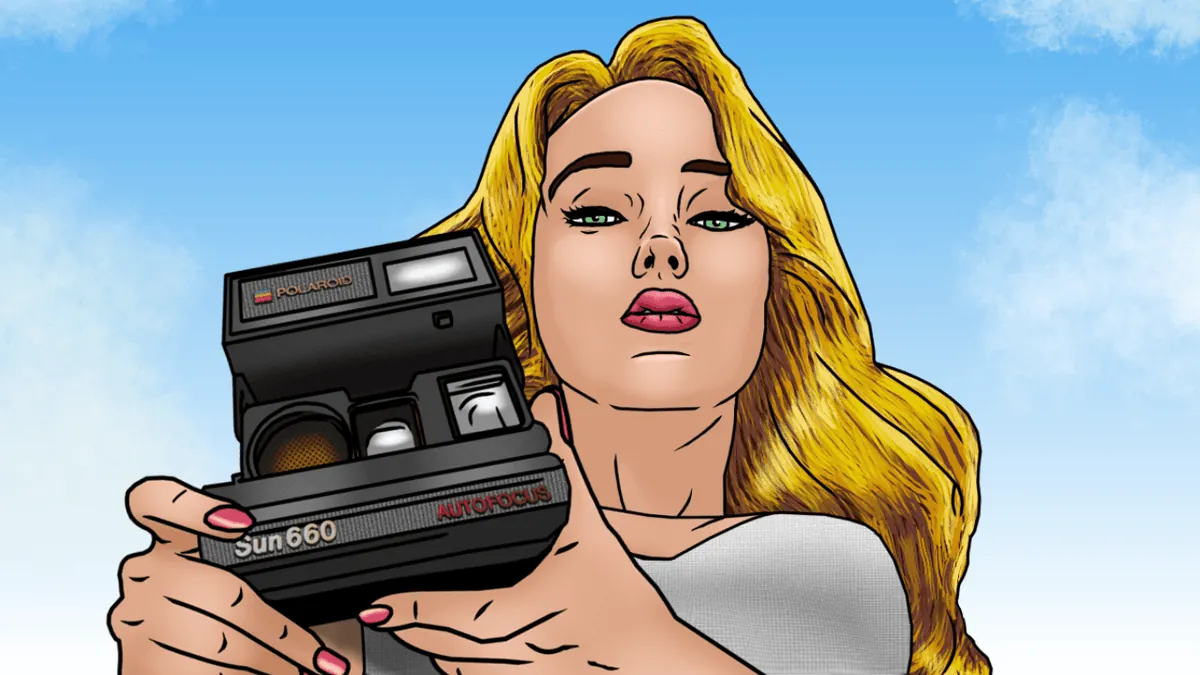
TableTop BornStar
Play TableTop BornStar
TableTop BornStar Screenshots

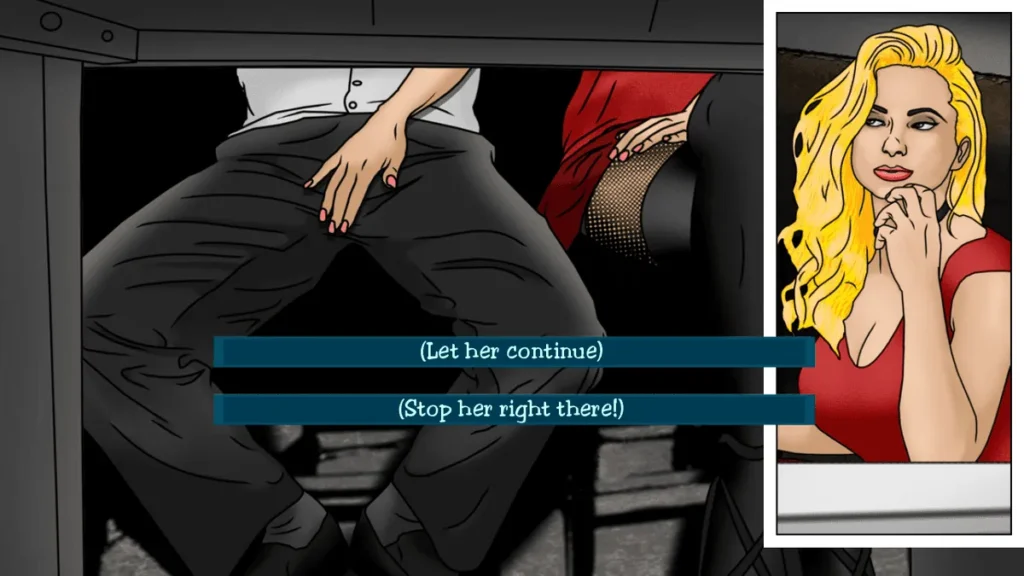
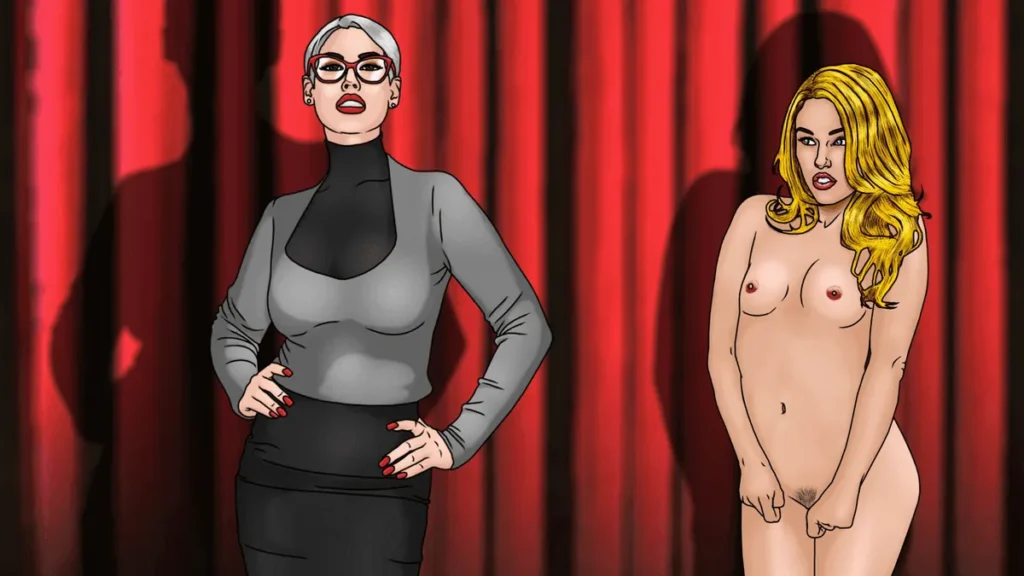
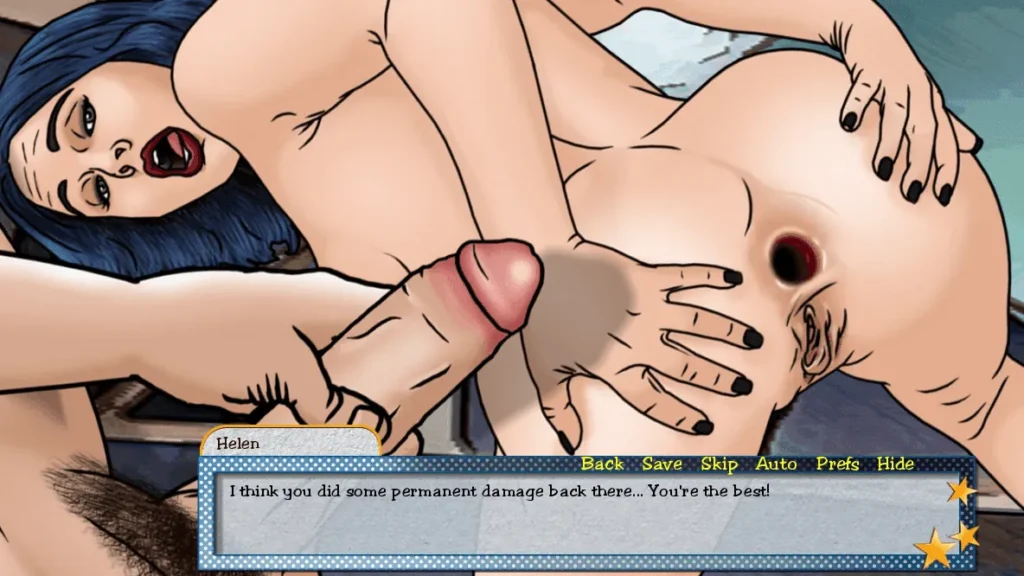



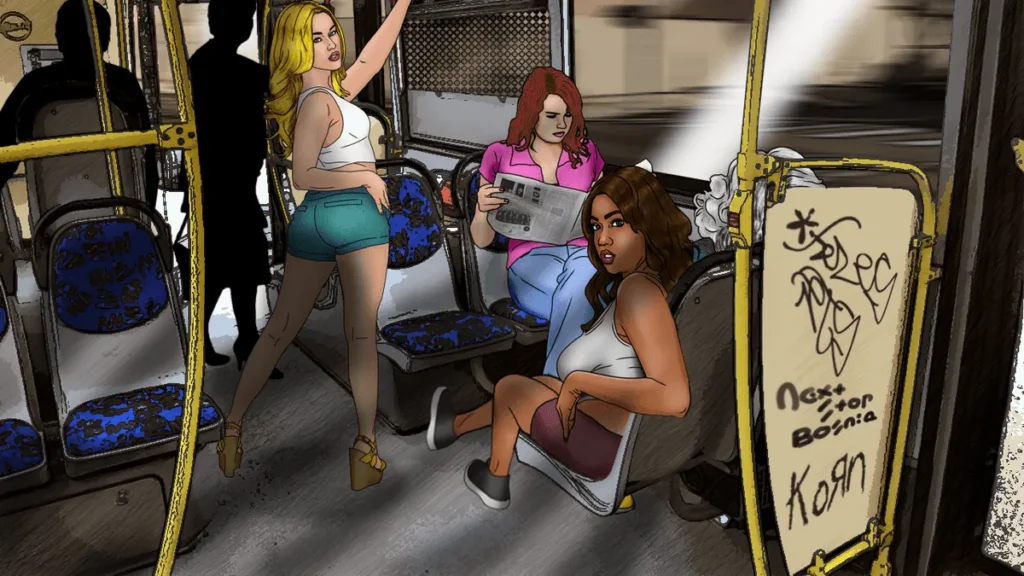
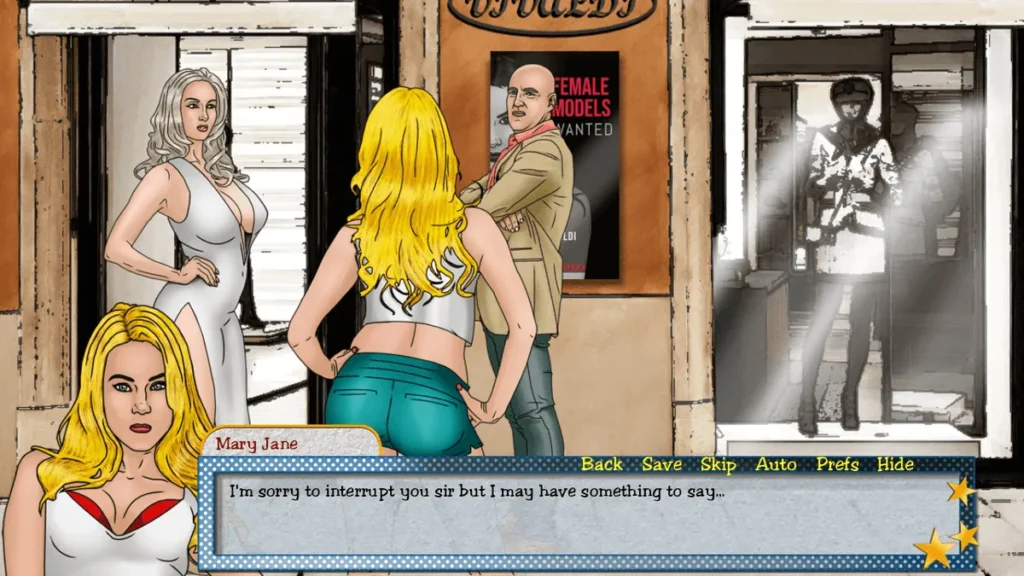
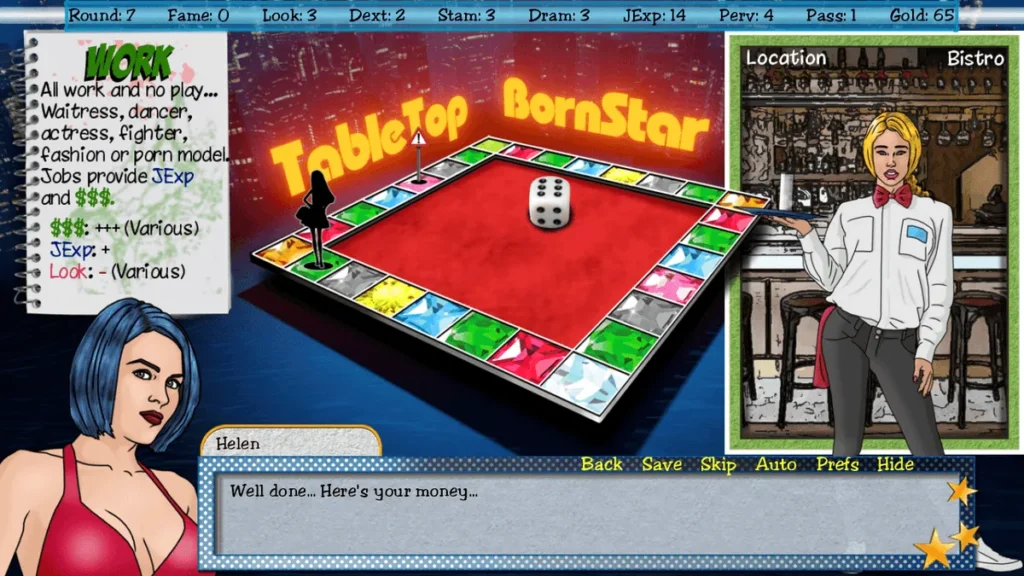

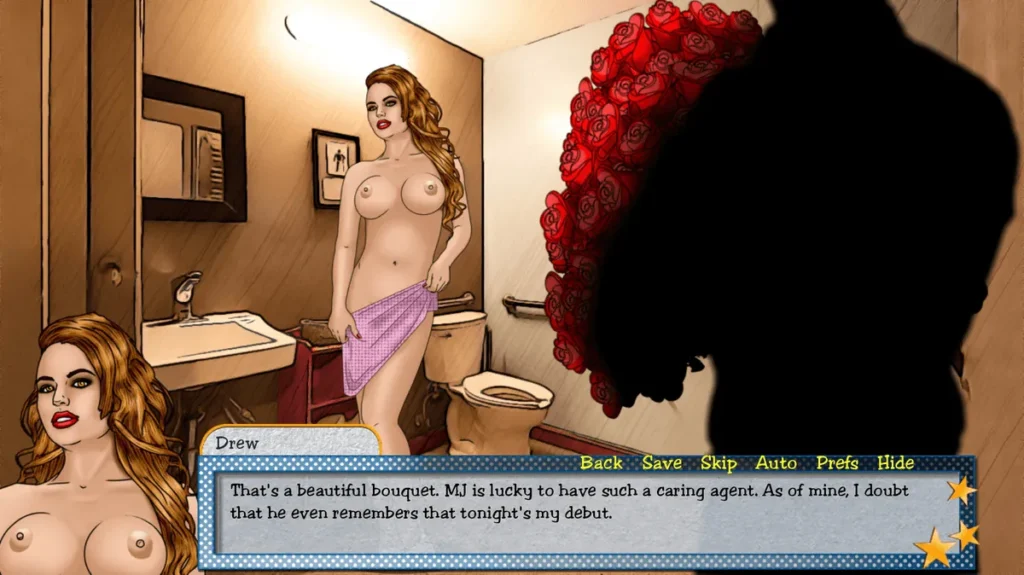






TableTop BornStar review
Exploring the Blend of Tabletop Gameplay and Interactive Storytelling in Hollywood’s Dark Side
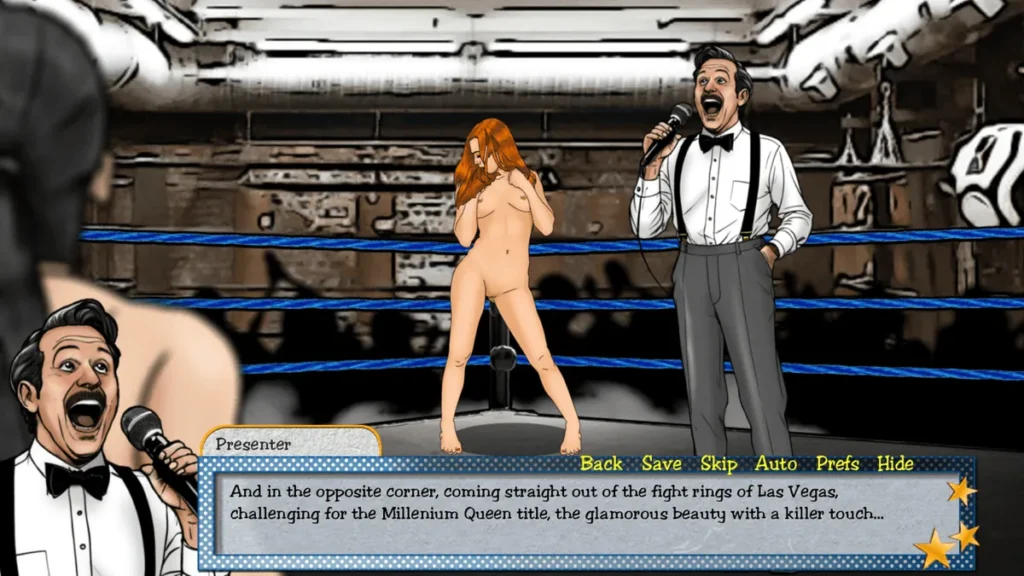
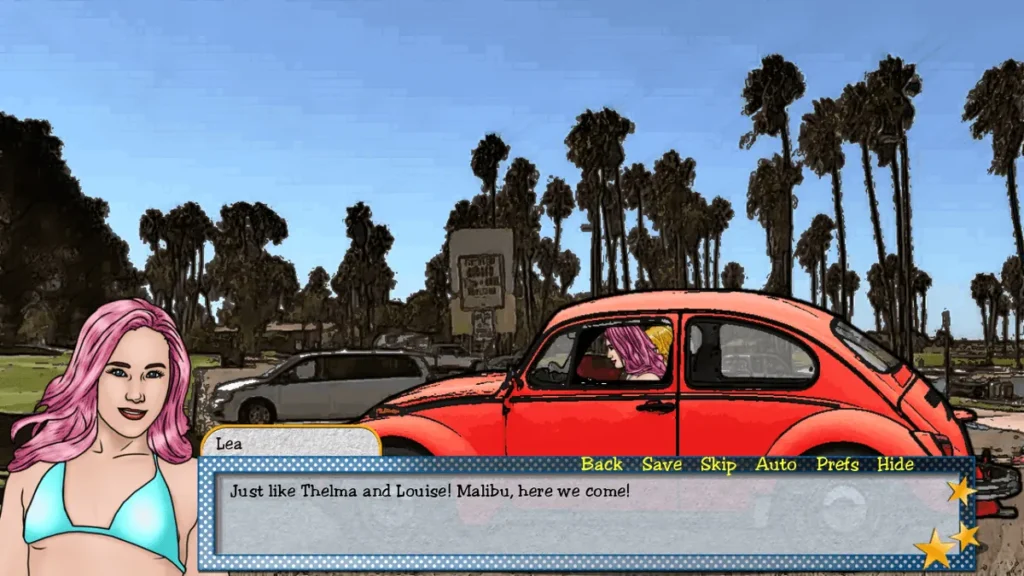
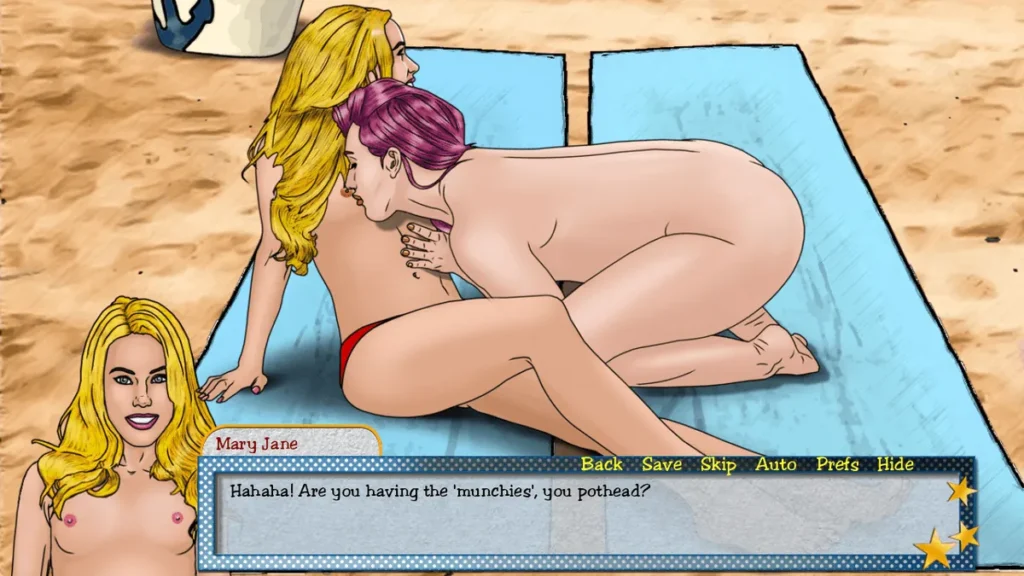
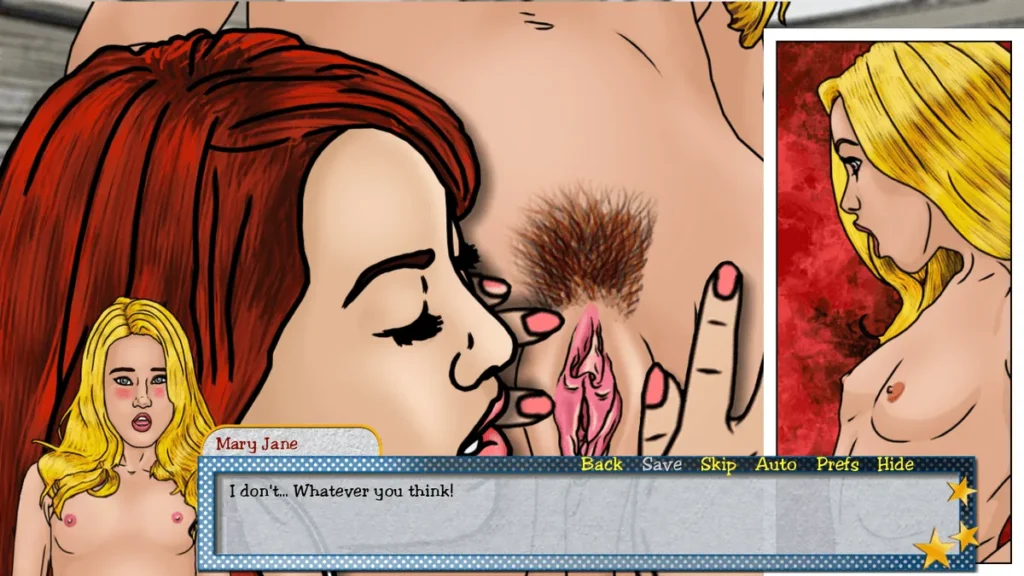
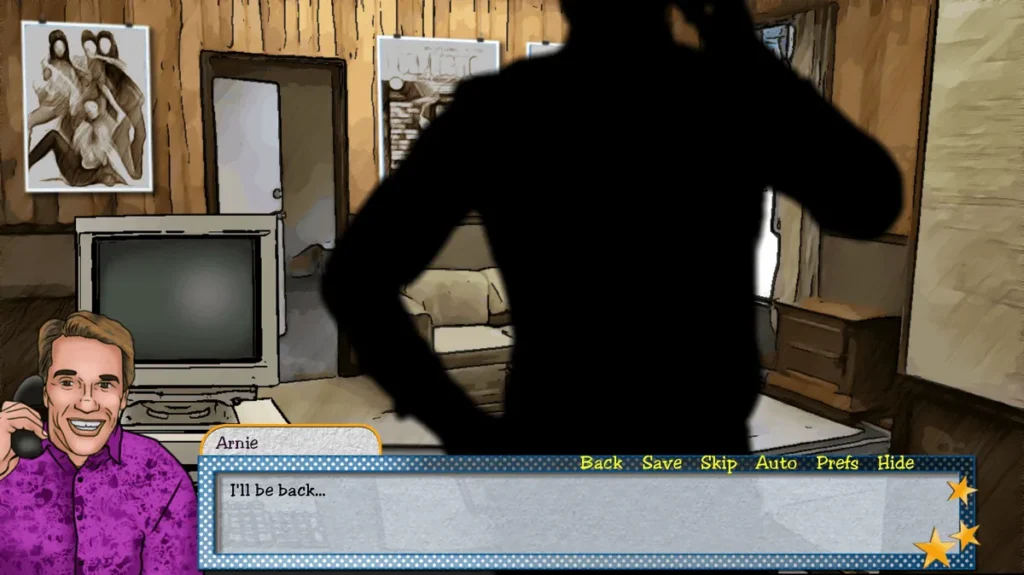
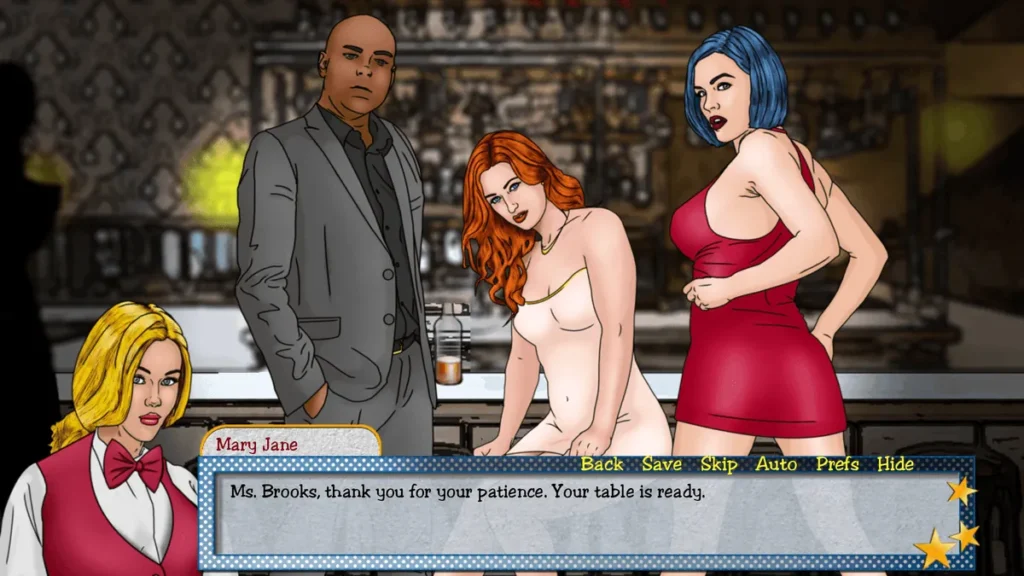
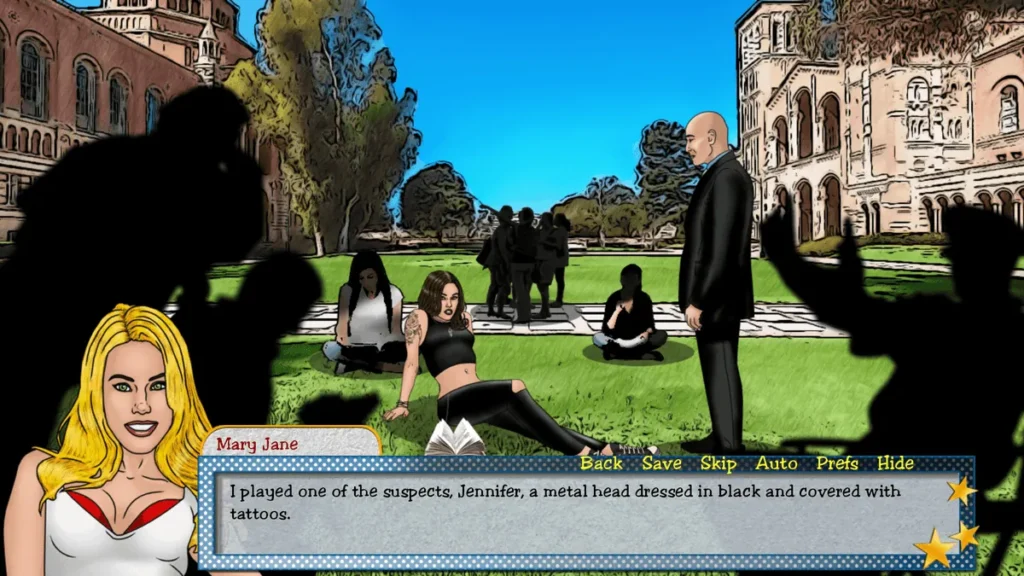
TableTop BornStar stands out as a distinctive adult visual novel that merges tabletop gaming mechanics with immersive narrative storytelling. Set against the backdrop of 1999 Hollywood, this game transports players into a world where corruption, ambition, and moral choices shape your character’s destiny. Unlike traditional visual novels, TableTop BornStar incorporates dice and card gameplay elements that add strategic depth and unpredictability to the narrative experience. Whether you’re drawn to the engaging storyline, the innovative gameplay mechanics, or the stunning visual presentation, this game offers a captivating journey through the glitz and shadows of the entertainment industry. Understanding what makes TableTop BornStar unique requires exploring its core features, gameplay loop, character development system, and the meaningful choices that define your playthrough.
Core Gameplay Mechanics and Features
Let’s be honest, most visual novels have the interactivity of a slideshow. You click, you read, you occasionally pick dialogue option A or B, and you move on. It’s more like watching a movie where you occasionally get to pick the color of the protagonist’s shirt. 🎬 If you’ve ever craved something with more guts, more strategy, and a lot more unpredictability, then you’re in the right place. TableTop BornStar isn’t just another story on your screen; it’s a high-stakes game where every choice has weight, and luck is a fickle friend you must learn to manipulate.
This is where the magic happens. TableTop BornStar gameplay mechanics represent a genuine fusion, merging the deep, character-driven narratives of an adult visual novel with tabletop elements of chance and strategy. You’re not just guiding a story; you’re playing a hand, rolling the dice, and managing resources in a ruthless playground: Hollywood’s dark side. It’s a game of influence, corruption, and survival, and understanding its core systems is your ticket to navigating it successfully.
How Tabletop Elements Enhance the Visual Novel Experience
So, what does it actually mean to blend a board game with a story? In TableTop BornStar, it means the passive experience is gone. Instead of simply witnessing the rise and fall of Mary Jane, you are actively engineering it through a layer of tangible game systems. The narrative doesn’t just unfold; it’s earned or lost through your decisions and your mastery of the game’s tools.
Think of it this way: in a traditional visual novel, you might choose a dialogue path like “Encourage Mary Jane to take the role.” The story then continues down a set path. In TableTop BornStar, that same narrative choice is gatekept by a gameplay mechanic. You might need to spend a powerful “Influential Contact” card from your hand to even get that opportunity, and then succeed at a dice roll to see how well your encouragement lands. This creates a thrilling interactive storytelling mechanics layer where the “what” of the story and the “how” of the gameplay are inseparable.
The dice and card gameplay in visual novels here isn’t just a cosmetic add-on. It’s the engine of the plot.
* Dice introduce beautiful, agonizing uncertainty. That crucial audition or tense negotiation isn’t a foregone conclusion. You roll, you pray, and you deal with the consequences—whether it’s a critical success that opens a new, glittering path or a devastating failure that sends your plans spiraling into damage control.
* Cards represent your resources, reputation, and cunning. Your hand is your arsenal in Hollywood’s shadow war. You might hold cards like “Blackmail Leverage,” “Favor from a Producer,” or “Paid-off Paparazzi.” Playing them at the right moment can twist a scene in your favor, unlocking new narrative branches or mitigating bad luck from the dice.
This hybrid approach fundamentally changes the pace and engagement. Story content is “dripped out” through successful gameplay. A failed roll might lock you out of a glamorous party scene, instead funneling you into a gritty, back-alley subplot that reveals a different facet of the city and its characters. This isn’t a failure of the story; it’s the story adapting to your gameplay reality. It makes every session uniquely yours and massively boosts replayability.
To crystalize how this fusion creates something entirely new, let’s look at how TableTop BornStar stands apart from its parent genres:
| Aspect | Traditional Visual Novel | Standard Tabletop/Card Game | TableTop BornStar |
|---|---|---|---|
| Narrative Drive | Linear or branching paths based solely on dialog choices. | Story is often minimal or thematic, secondary to strategy. | Deep, corruption-focused narrative gameplay is the core goal, directly advanced or altered by strategic mechanics. |
| Player Agency | Illusion of choice, often funneling back to key plot points. | Agency exists primarily in tactical moves to win a defined game. | Agency is dual-layered: strategic (card/dice play) and narrative (moral/relationship choices), with both impacting the other. |
| Progression System | Unlocking CG images or story routes. | Accumulating points, resources, or board position. | Progress is measured in story milestones, character relationship levels, and the acquisition of more powerful narrative-altering cards. |
| Replayability | Replay to see different dialog or endings. | Replay for different strategic outcomes or to beat a score. | Replay to discover vastly different story paths, character fates, and moral outcomes dictated by strategic success/failure. |
Character Development and Meaningful Decision-Making
This is where TableTop BornStar truly shines. You play as a disgraced talent agent under house arrest, guiding the aspiring starlet Mary Jane. This isn’t a simple “good mentor/bad mentor” slider. Your character development and decision-making are complex, granular, and deeply tied to the interactive storytelling mechanics.
You develop two characters simultaneously:
1. Yourself (The Agent): Your character’s development is reflected in your deck of cards and your reputation stats. Choosing to help Mary Jane through honest hustle might earn you “Industry Respect” cards, while leveraging seedy underworld contacts fills your hand with “Shady Deal” cards. Your available actions and narrative options evolve based on who you’ve chosen to become.
2. Mary Jane: Every choice you make for her—from the roles she auditions for to the friends she keeps—alters her stats like “Innocence,” “Ambition,” “Public Image,” and “Mental Fortitude.” These aren’t just numbers; they are narrative triggers. A high “Ambition” and low “Innocence” will unlock story scenes and dialogue options completely invisible to a pure, unscathed version of Mary Jane.
This creates the game’s brilliant, central tension. The corruption-focused narrative gameplay presents constant moral dilemmas that are also strategic puzzles. 😈
Personal Insight: In one playthrough, I had a chance to get Mary Jane a starring role by playing a “Fabricated Scandal” card to destroy her rival’s reputation. Strategically, it was a no-brainer—a huge career leap. But it required lowering her “Innocence” stat drastically. I did it. The role was hers, but the narrative shift was profound. Later scenes showed her becoming colder, more manipulative, and she started making ruthless decisions on her own that I couldn’t control. My strategic “win” had permanently altered her character arc.
This is the essence of meaningful choices in TableTop BornStar. Decisions don’t lead to simple “good” or “bad” endings. They lead to different endings—tragic, triumphant, morally ambiguous, or horrifically dark—that feel earned because they resulted from hundreds of small strategic and ethical decisions. Will you protect Mary Jane’s soul at the cost of her fame, or sell it piece by piece for the sake of the spotlight? The game forces you to live with the strategic consequences of that answer.
The Role of Dice and Cards in Shaping Your Story
Let’s get practical. How do these mechanics actually work at the moment-to-moment level? The dice and card gameplay in visual novels in TableTop BornStar is where your plans meet the chaotic reality of luck and resource management.
The Dice: The Unpredictable Heart of Hollywood
Every major story beat involves a skill check, resolved by rolling virtual dice. Is Mary Jane prepared for her audition? Roll against her “Talent” stat. Are you convincing a powerful producer? Roll against your “Persuasion.” But here’s the strategic layer: you can often influence these rolls.
* You can spend “Practice Time” resources to gain a bonus.
* You can play a card like “Confidence Booster” from your hand to re-roll failures.
* Your relationship level with a character might provide a steady dice modifier.
This means you’re constantly managing your resources not just to create opportunities, but to succeed at them. A failed roll isn’t always an endpoint; it’s a narrative pivot. Failure on a seduction attempt might anger a powerful figure, creating a new, dangerous subplot. The dice ensure no two stories are identical, making the TableTop BornStar gameplay mechanics deeply personal and unpredictable.
The Cards: Your Strategic Hand in the Shadows
Your card deck is your personalized toolbox. Cards are earned through story choices, character relationships, and the paths you walk. They come in types like:
* Influence Cards: Your social currency (e.g., “Call in a Favor”).
* Information Cards: Secrets and leverage (e.g., “Compromising Photos”).
* Trait Cards: Reflections of Mary Jane’s or your own development (e.g., “Unshakeable Confidence,” “Numbing Cynicism”).
Here’s a concrete example of how it all ties together:
Scenario: The Make-or-Break Audition.
You’ve guided Mary Jane to an audition for a controversial, auteur director—a role that could define her career but requires a raw, emotional vulnerability.
- The Narrative Choice: The director asks her to tap into a deep, painful memory. The game presents you with options: “Encourage her to be open and raw” or “Suggest she fake the emotion technically.”
- The Gameplay Layer: Choosing “be open and raw” triggers a high-difficulty “Mental Fortitude” check. You look at your hand. You have a “Shared Trauma” card (earned from a previous, intimate conversation with Mary Jane) that, if played, gives a huge dice bonus for this exact type of check.
- The Strategic Decision: Do you play this powerful, likely one-time-use relationship card to almost guarantee success? Or do you save it for a potential future crisis, risking a brutal failure here? You play the card.
- The Cascading Outcome: The dice roll succeeds spectacularly. Mary Jane lands the role, deepening her bond with you (raising relationship stat). However, playing the “Shared Trauma” card has a narrative cost: the game records that you used her personal pain as a tool. This subtly increases her “Cynicism” and decreases her “Innocence,” nudging her character onto a slightly darker, more complex path. The story advances, but the character of the story has changed.
This seamless blend is what defines the TableTop BornStar gameplay mechanics. The cards and dice aren’t minigames; they are the language of the narrative. They create a world where you feel the tension of a gambler and the responsibility of a storyteller simultaneously.
Ultimately, TableTop BornStar is more than a game; it’s an experiment in interactive storytelling mechanics that pays off brilliantly. It respects your intelligence as a player, offering a strategic challenge alongside a compelling, adult narrative. The meaningful choices in TableTop BornStar resonate because they are rooted in systems with real consequences, and the ever-present dice keep the toxic glamour of Hollywood feeling thrillingly unstable. It’s a unique journey where you don’t just watch a star be born—you roll the dice, play your hand, and discover just how much of your soul you’re willing to wager on fame. 🎲✨
TableTop BornStar represents an innovative approach to adult gaming by seamlessly blending narrative-driven visual novel storytelling with strategic tabletop mechanics. The game’s 1999 Hollywood setting provides a rich backdrop for exploring themes of ambition, corruption, and moral complexity, while the dice and card gameplay elements add layers of strategy and unpredictability that keep each playthrough fresh and engaging. What truly sets TableTop BornStar apart is its commitment to meaningful choices—every decision you make as a talent agent genuinely impacts your character’s relationships, the fate of Mary Jane, and the ultimate story outcomes you experience. The stunning visual presentation combined with the engaging character development system creates an immersive world that rewards both strategic thinking and emotional investment in the narrative. Whether you’re a fan of visual novels seeking something with more interactive gameplay depth or a tabletop gaming enthusiast interested in narrative-driven experiences, TableTop BornStar offers a compelling and distinctive gaming adventure that challenges conventional genre boundaries.