
Summertime Saga
Play Summertime Saga
Summertime Saga Screenshots








Summertime Saga review
Explore gameplay mechanics, characters, and features of this indie adult game
Summertime Saga stands as one of the most elaborate adult dating simulation games available today, attracting hundreds of thousands of players worldwide. Developed by Dark Cookie and funded through Patreon, this indie title combines visual novel storytelling with sandbox gameplay mechanics. Set in the fictional suburban town of Summerville, the game follows a young man navigating college life while uncovering the mystery behind his father’s death and managing relationships with over 65 unique characters. Whether you’re interested in the intricate plot, diverse character roster, or engaging minigames, this comprehensive guide covers everything you need to know about Summertime Saga.
Understanding Summertime Saga: Core Gameplay and Features
So, you’ve downloaded Summertime Saga, booted it up, and… now what? 😅 I remember my first time diving into the sleepy town of Summerville. I was immediately charmed by the bright, playful visuals, but then a wave of “where do I even start?” hit me. This isn’t a linear rollercoaster ride; it’s a sprawling, living sandbox packed with secrets. The sheer volume of Summertime Saga characters and potential story threads can feel overwhelming.
That’s where this guide comes in. Think of it as your friendly local map to the game’s heart and soul. We’re going to break down exactly what makes this adult dating sim game such a beloved phenomenon, how its systems work, and how you can master them to craft your own unique summer story. Let’s get you from confused newcomer to confident resident of Summerville. 🏡
What Makes Summertime Saga Unique Among Adult Games
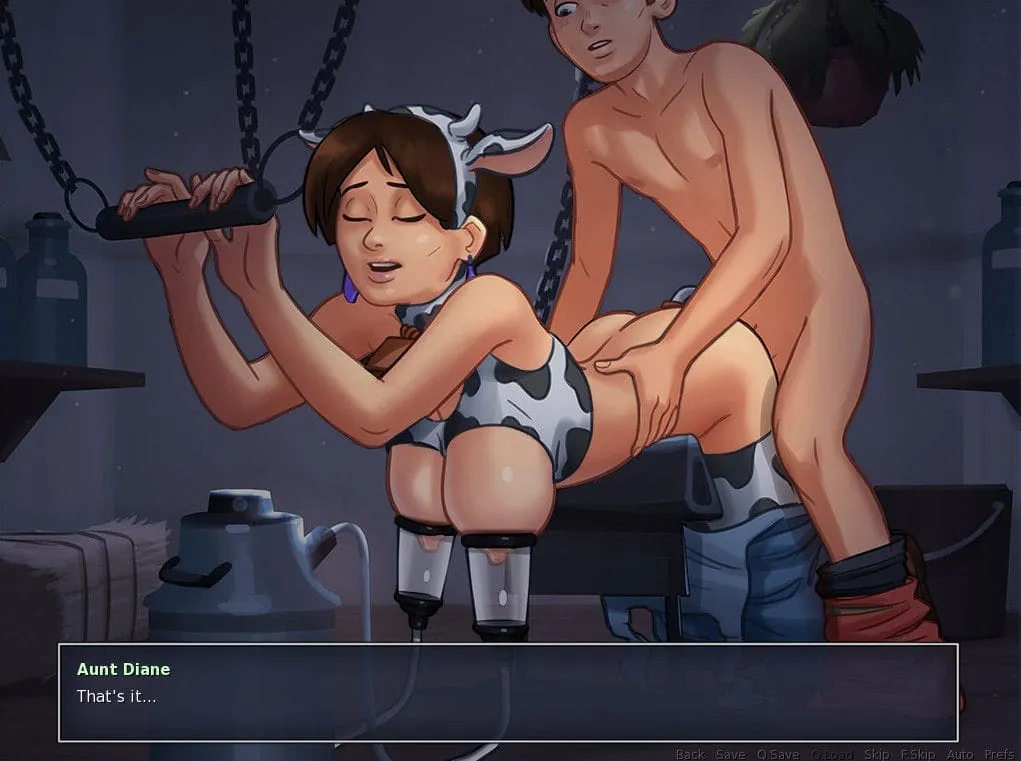
At its core, Summertime Saga gameplay is about connection, exploration, and rebuilding your life after a family tragedy. But what truly sets it apart in a sea of adult-oriented titles? It’s the commitment to being a full-fledged visual novel game first, with the adult elements feeling like a natural, integrated part of the world and relationships, not the sole purpose. You’re not just clicking through static scenes; you’re living a story.
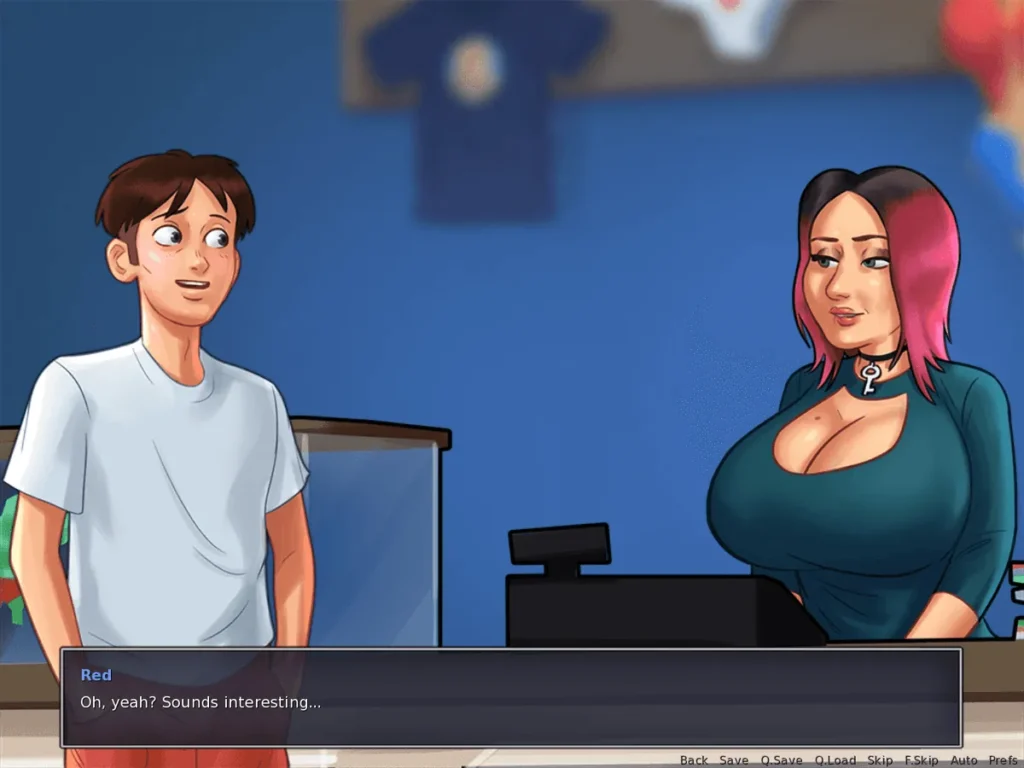
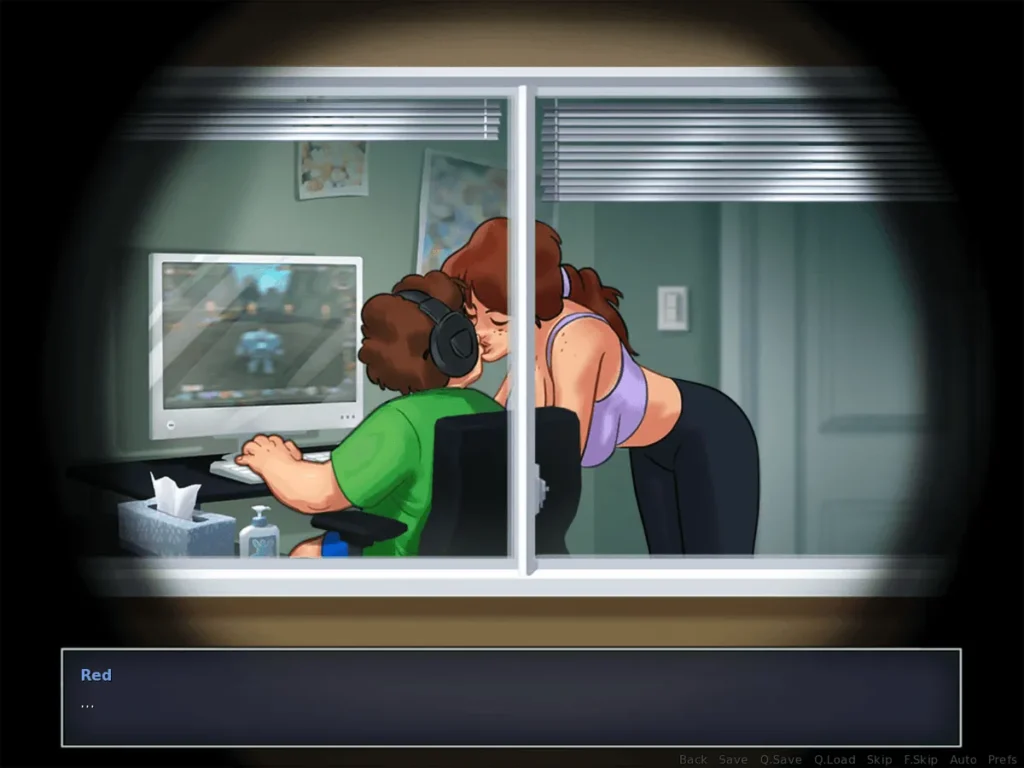
The most immediate standout feature is its hand-drawn, cartoon-inspired art style. While many competitors lean into anime aesthetics or 3D models, Summertime Saga boasts a warm, Western-comic look that’s bursting with personality. Every character, from the girl-next-door to the quirky teacher, has a distinct visual identity that makes them feel real and memorable. This artistic choice gives the entire game a unique, approachable charm you won’t find anywhere else.
Furthermore, the game operates on an unprecedented scale for a free-to-play indie project. We’re talking about a narrative woven between over 65 unique characters, more than 30 explorable locations, and 20+ minigames that range from cooking and fishing to arcade games and part-time jobs. The development, powered by the accessible RenPy engine, is a labor of love funded directly by the community through Patreon. This means the game is in a state of perpetual, massive expansion, with updates regularly adding new quests, locations, and character arcs. You’re not buying a finished product; you’re joining an evolving world.
The table below highlights how Summertime Saga’s approach creates a different experience from many other titles in the space:
| Feature | Summertime Saga | Typical Adult Game Alternative |
|---|---|---|
| Art Style | Original, hand-drawn cartoon aesthetic | Often uses anime-style art or 3D rendering |
| Character Depth | 65+ characters with multi-part story arcs | Smaller cast, often with less developed narratives |
| World Scale | 30+ interactive locations in a connected town | Limited, often menu-based location selection |
| Gameplay Variety | 20+ integrated minigames (pizza delivery, fishing, etc.) | Focus primarily on dialogue choices and static scenes |
| Content Model | Free-to-play with ongoing Patreon-funded updates | Often a one-time purchase or early-access title |
This focus on a rich, player-driven world is why it resonates. You’re not just pursuing scenes; you’re helping Debbie with her bills, solving a mystery with Jenny, or working at the pizza shop to earn cash. The adult content feels earned through storytelling and relationship-building, making those moments more meaningful. It’s this blend of genuine dating simulation mechanics and ambitious world-building that defines the Summertime Saga features players love.
Game Mechanics and How to Play
Alright, let’s talk about how you actually play this thing. At its heart, how to play Summertime Saga is simple: you point, you click, you explore, and you talk to people. But beneath that simple interface lies a web of interconnected systems that drive your progression. It’s a classic point-and-click adventure fused with stat-driven dating simulation mechanics.
The core loop revolves around three key resources: Energy, Money, and Time. Energy is consumed by performing almost any action—working a job, studying, working out, or even certain conversations. Money is, well, money, needed for everything from gifts and dates to story-critical items. Time advances as you move between locations and perform actions, with specific events only occurring on certain days of the week or times of day. Mastering the balance between these three is the key to efficient progress.
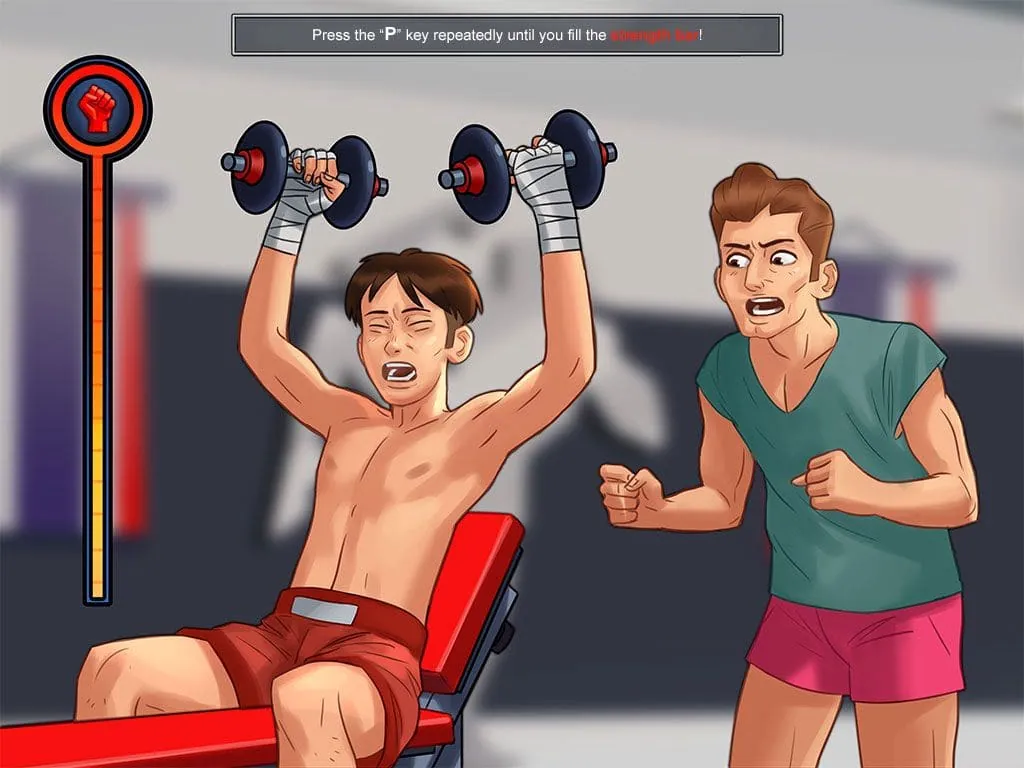
Your character’s abilities are governed by four main stats: Strength, Intelligence, Charisma, and Fun. You can’t just tell Jenny you’re a bodybuilder; you have to prove it by hitting the gym (which costs energy and time) to raise your Strength stat, which may unlock new dialogue or action options with certain characters. Want to help with a science project? You’ll need to study in the library to boost your Intelligence. This stat system deeply ties your personal growth to your social and narrative progress.
Here’s a quick list of the essential gameplay mechanics you’ll need to manage:
* Stat Progression System: Improve Strength (gym), Intelligence (library), Charisma (mirror at home), and Fun (arcade, TV) to unlock new story paths.
* Energy & Time Management: Every action costs energy. Sleep to restore it, but remember the day advances. Plan your schedule around when shops are open or when characters are available.
* Monetary Progression: Earn cash through minigame jobs (pizza delivery, farming, fishing), selling items, or… other creative means. You’ll need it for everything.
* Quest Types: Follow the gripping main storyline about your father’s debt, or dive into dozens of optional character-specific side quests that reward you with deeper relationships.
* Character Interaction Methods: Use dialogue trees, give gifts, complete tasks for people, and build your stats to increase your “relationship level” with the vast cast of Summertime Saga characters.
The beauty of these systems is that they create meaningful choice. Do you spend your afternoon earning money to buy a gift for Eve, or do you study to become smart enough to help Ms. Dewitt? There’s no single right path, and your choices genuinely open up different narrative branches and relationship outcomes. This is the essence of top-tier Summertime Saga gameplay.
Exploration and Progression Systems
Summertime Saga’s world isn’t just a pretty backdrop; it’s a puzzle box full of secrets, and exploration is your primary tool. 🗺️ The town of Summerville is your sandbox. You start with a small map of known locations—your house, the school, the downtown plaza—and gradually unlock more as you hear about them in conversations or literally stumble upon them.
This sense of discovery is a huge part of the fun. You might be on a simple errand for your sister Debbie and find a new path that leads to a secluded beach or a hidden shop. Each of the 30+ locations has its own purpose, characters, and mini-events. The pizza shop is a job. The library is for studying. The park might be where a certain someone walks her dog every Tuesday afternoon. Paying attention to these patterns is crucial.
Pro Tip: Keep an in-game notebook or a real one! Jot down when characters say they’ll be somewhere, or what item someone is looking for. The game doesn’t hold your hand with quest markers, so your attention to detail is your best guide.
Progression is beautifully non-linear. While there is a central narrative spine involving your father’s mysterious debt and the ominous Mr. Johnson, you are free to tackle it at your own pace. You might spend a whole week of in-game time just focusing on romancing your next-door neighbor, Jenny, completing her multi-stage storyline that involves everything from fixing a laptop to dealing with her overbearing brother. Or you might pour all your effort into the tech-savvy Eve’s complex questline, which feels like its own thrilling mini-mystery.
This is where the Summertime Saga features truly shine as a visual novel game. Your save file becomes a unique chronicle of your personal summer. One player’s story might be a balanced juggle of the main plot and several romances. Another player might max out their strength stat first and experience a completely different set of early interactions. The game constantly rewards curiosity. Talk to everyone. Click on everything that looks slightly out of place. Revisit locations at different times of day. The most rewarding Summertime Saga gameplay secrets are often hidden in plain sight, waiting for a perceptive player to find them.
Ultimately, the magic of Summertime Saga isn’t just in any one scene or character; it’s in the feeling of agency it provides. You are actively shaping a story and building a life in this quirky town. The robust dating simulation mechanics ensure your relationships feel developed, the sandbox exploration makes the world feel alive, and the sheer volume of content promises that your summer adventure is anything but short. It’s a testament to what passionate, community-driven development can create—a rich, engaging, and deeply personal adult dating sim game that stands in a league of its own. Your story in Summerville is waiting to be written. ✍️
Summertime Saga represents a significant achievement in indie adult game development, combining engaging storytelling with deep gameplay systems and meaningful character interactions. From its distinctive hand-drawn art style to its sprawling cast of 65+ characters and intricate progression mechanics, the game offers substantial content for players seeking story-driven experiences. Whether you’re drawn to the central mystery of your father’s death, the diverse character routes, or the variety of minigames and progression systems, Summertime Saga provides hundreds of hours of gameplay. The game’s commitment to community feedback through Patreon support and transparent development practices demonstrates the creators’ dedication to quality. If you’re interested in exploring this elaborate dating simulation, start by downloading the free version, consult the official wiki for guidance, and consider supporting the developers on Patreon to unlock exclusive features and help shape the game’s future. The combination of meaningful choices, character depth, and engaging mechanics makes Summertime Saga a standout title in the adult gaming landscape.