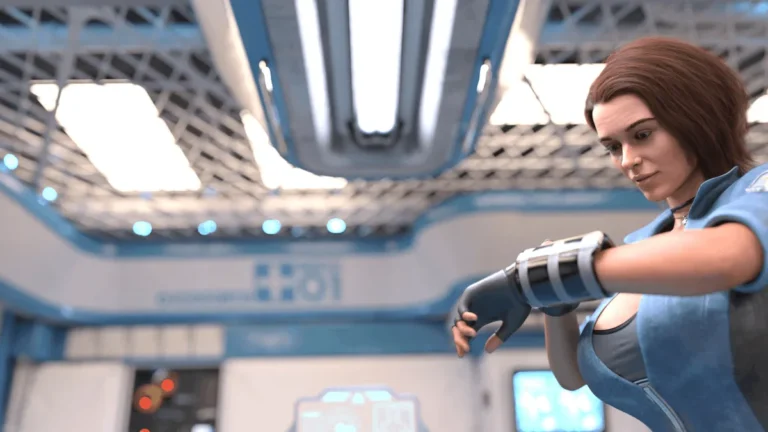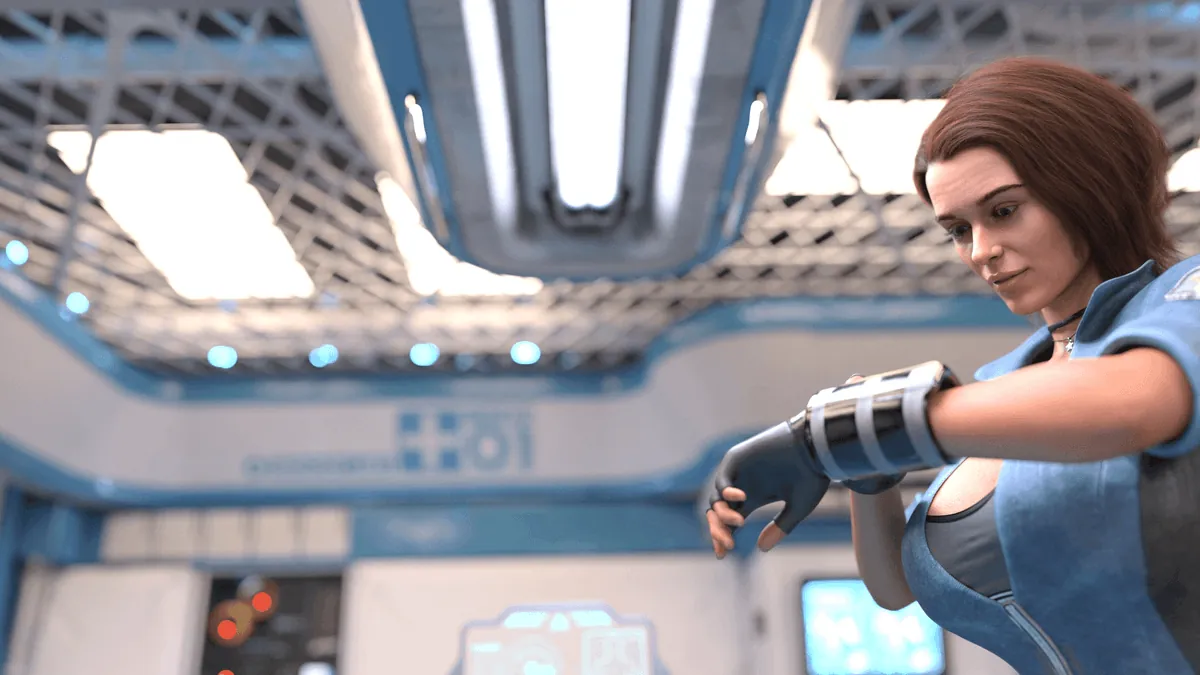
Stars of Salvation
Play Stars of Salvation
Stars of Salvation Screenshots


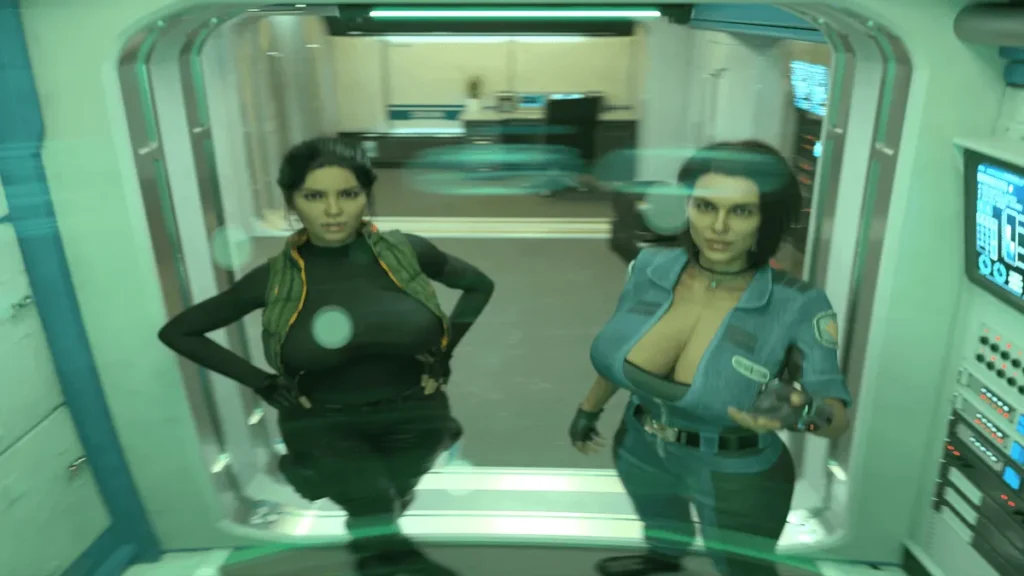


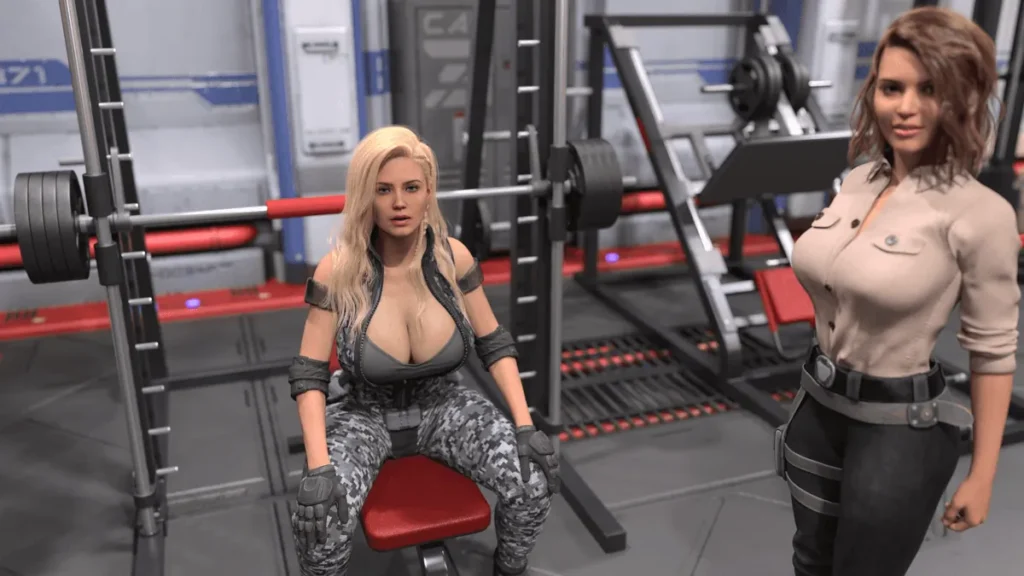
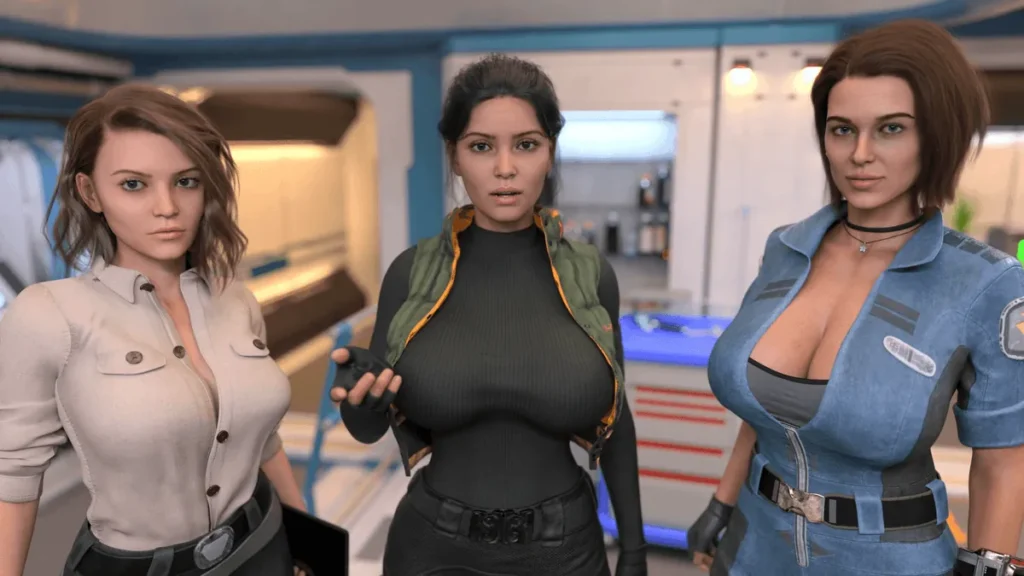
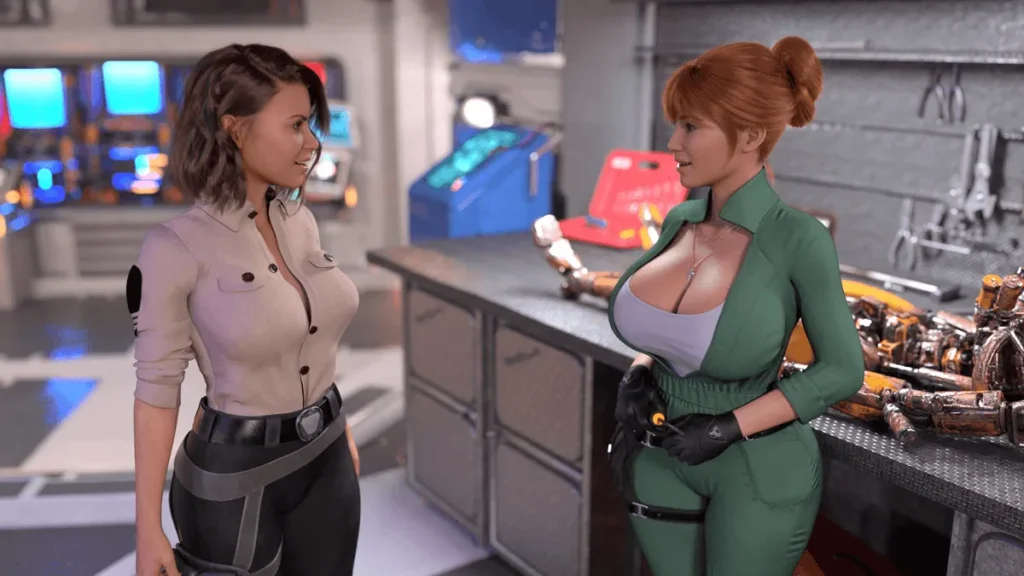
Stars of Salvation review
Exploring the story, gameplay mechanics, and character interactions in this space-based narrative experience
Stars of Salvation stands out as a unique sci-fi visual novel that combines compelling storytelling with engaging character interactions. The game opens with an intriguing premise: your character awakens on a mysterious spacecraft with no memory of how they arrived, surrounded by an all-female crew caught in the midst of conflict. What makes this experience memorable is the blend of mystery, drama, and relationship-building mechanics that keep players invested throughout their journey. Whether you’re drawn to science fiction narratives or interactive storytelling, this game offers a distinctive experience that goes beyond surface-level entertainment. The central mystery of a traitor aboard the ship creates tension and intrigue that drives the narrative forward, making every conversation and decision feel consequential.
The Story and Setting: Waking Up in the Unknown
Picture this: you open your eyes to a sterile, metallic ceiling. A dull hum vibrates through the cold surface beneath you. Your mind is a foggy blank slate, your body heavy with a deep, unnatural chill. You don’t know where you are, how you got here, or even who you are. This is the gripping, disorienting start to your journey in Stars of Salvation, a masterclass in using a classic sci-fi setup to launch a deeply personal and suspenseful interactive narrative experience. 🚀
You’re not on Earth. The faint vibration of powerful engines and the silent dance of stars past a small viewport confirm it. You are aboard a spacecraft, a lone soul among the infinite black, and the only thing more vast than space itself is the mystery of your own presence there. This brilliant opening does more than just set the scene; it immediately makes you an active participant in the Stars of Salvation story. Your confusion is the protagonist’s confusion. Your curiosity drives the plot forward. From this moment of profound vulnerability, the game begins to weave its intricate sci-fi visual novel plot, one where every relationship is a potential clue and every friendly face could be hiding a deadly secret.
The Opening Premise and Initial Setup
The genius of the Stars of Salvation story lies in its elegant simplicity. The amnesia trope, when done right, is powerful because it creates a perfect alignment between player and protagonist. You are learning about this world in real-time, with no prior knowledge to separate you from the character on screen. The game doesn’t bombard you with data pads or lengthy audio logs filled with jargon. Instead, it opts for a far more effective method: character-driven storytelling.
Your first interactions are with the crew members who found you. Their dialogue is your primary source of information, and it’s beautifully filtered through their distinct personalities. The cautious security officer might give you bare-bones facts, focusing on protocol. The empathetic medic might fret over your health, revealing concerns about the ship’s recent “unusual incidents.” The cheerful engineer might accidentally let slip a comment about “tightened patrols” or “communication blackouts.” You’re not just receiving exposition; you’re learning who these people are and, crucially, what they choose to tell a stranger.
I remember my first playthrough, desperately clinging to every word, trying to decide who seemed the most trustworthy. Was the captain’s stern demeanor a sign of guilt or just the weight of command? Was the tech specialist’s nervousness around me suspicious, or just social anxiety? This slow, deliberate drip-feed of information makes the spacecraft setting narrative feel earned and deeply immersive. You’re not a tourist on this ship; you’re a piece of a puzzle, and everyone else seems to have the picture on the box except you.
Tip: Pay close attention to the very first conversations. The game plants subtle seeds of the larger conflict and interpersonal tensions from these initial moments. A stray word about “the conflict” or a hastily changed subject can be your first clue that all is not well aboard this vessel.
The setup masterfully establishes the core stakes. You learn that the ship, often a pivotal character in its own right in any space station drama, is not on a peaceful mission. It’s involved in a tense, shadowy conflict. Your unexpected arrival—a person with no identity in the middle of contested space—isn’t just an inconvenience; it’s a major security breach. This immediately casts you in two conflicting lights: a victim in need of help and a potential threat that must be contained. This duality is the engine for every interaction that follows.
The Spacecraft Environment and Atmosphere
A great sci-fi visual novel plot is built as much on its atmosphere as its dialogue, and Stars of Salvation excels here. The spacecraft, your entire world for the duration of the game, is a masterpiece of environmental storytelling. It’s not a shiny, pristine utopia; it’s a lived-in machine. 🛰️
The corridors are narrow, lined with pipes and conduits that occasionally emit a faint hiss. The lighting is often functional and harsh in common areas, but softer in personal quarters. You’ll visit the bustling mess hall, where the smell of recycled protein paste is almost palpable through the description, and the silent, awe-inspiring observation deck, where the sheer scale of space can make your personal crisis feel both insignificant and profoundly important. The ambient sound design—the constant, low thrum of the life support, the beep of a distant console, the muffled echo of footsteps in an empty hall—creates a sense of isolation even when you’re surrounded by people.
This carefully crafted atmosphere feeds directly into the traitor mystery game elements. When the lights flicker in a deserted corridor, is it a simple power fluctuation, or sabotage? That strange, out-of-place tool you notice in the engineering bay—was it left by a careless crewmate, or is it evidence? The environment becomes an active participant in the paranoia. You start to read the spaces around you.
The game uses its locations to guide and reveal character. A crew member’s private quarters are a treasure trove of personal detail. A meticulously organized desk suggests discipline; a small, illicit plant grown under a desk lamp hints at a deep need for something natural and alive; a faded photo of a distant planet taped to a locker speaks of homesickness and loss. These silent details do more for character-driven storytelling than pages of backstory could. They make the crew feel like real people with histories, desires, and secrets, which makes the central mystery all the more painful and compelling.
| Location | Atmospheric Details | Narrative Purpose |
|---|---|---|
| The Cryo Bay | Sterile, cold, silent except for machine hum. Empty pods sit like open graves. | Establishes isolation, mystery of your origin, and a sense of being “out of time.” |
| The Mess Hall | Warm but worn lighting, the scent of “food,” scratched tables, a small community board with old notices. | Heart of casual crew interaction, reveals daily life and unofficial gossip chain. |
| Engineering Deck | Loud with machinery, cluttered with tools and parts, feels like the ship’s raw, beating heart. | Shows the ship’s fragility. A place for technical clues and tense, private conversations masked by noise. |
| Observation Deck | Dead quiet, dominated by the starfield, chairs bolted to the floor. | Provides moments of reflection, emphasizes the vastness of space and the smallness of the ship’s drama. |
The Central Mystery: Finding the Traitor
This is where the Stars of Salvation story truly transforms from a compelling setup into an unforgettable experience. The central, chilling revelation that there is a traitor aboard the ship—someone actively working against the crew and, by extension, you—changes everything. It elevates the narrative from a simple relationship-building exercise into a high-stakes psychological thriller. This isn’t just a space station drama; it’s a deadly game of cat and mouse where the mouse doesn’t know who the cat is. 😨
The “traitor” plot device is the perfect catalyst for this genre. It injects a layer of delicious, pervasive paranoia into every single interaction. That heartfelt confession from a crewmate? Could be a genuine connection, or an elaborate lie to lower your guard. An offer of help? A true kindness, or a maneuver to control your movements? The game brilliantly uses your growing relationships against you. The closer you get to someone, the more it will hurt—and the more terrifying it becomes—to consider that they might be the one betraying you all.
The mystery unfolds through a brilliant balance of scripted events and player-driven discovery. A critical system will fail at a dramatic moment. A vital piece of cargo will go missing. These events raise the stakes and keep the plot moving. But the real detective work happens in the quiet moments you create through choices. Who you choose to spend your limited free time with directly influences what clues you find, what secrets are whispered to you, and which theories you can form.
This is the core of its genius as an interactive narrative experience. Your path through the mystery is uniquely yours. In one playthrough, you might grow close to the security chief, gaining access to restricted logs that point to the medic. In another, your friendship with the engineer might reveal a hidden bypass in the comms system that implicates someone else entirely. The traitor mystery game element means there is no passive observation; your curiosity and your emotional investments are your primary tools for survival.
The conflict the ship is embroiled in provides the necessary backdrop and motivation for the traitor’s actions. It’s not a vague “war”; through scattered details, you learn about political factions, disputed territories, and the very real, desperate reasons someone on board might switch sides. This grounds the sci-fi visual novel plot in a sense of tangible consequence. The traitor isn’t evil for evil’s sake; they are a product of this harsh, conflicted universe, making them a far more interesting and tragic figure.
Personal Insight: On my second playthrough, I purposefully allied with characters I’d distrusted the first time. I was stunned by how completely the narrative perspective shifted. Evidence I had seen as damning before was now explainable. A character I was sure was guilty became my most vulnerable ally. It showed me that Stars of Salvation isn’t about finding the truth, but about uncovering a truth based on the relationships you cultivate.
Ultimately, the spacecraft setting narrative of Stars of Salvation provides the perfect pressure cooker for this drama. There are no escapes, no neutral ports to run to. You are trapped in a metal box in the void with a potential killer, and the only way out is through—through conversation, through trust, and through the heartbreaking possibility of betrayal. This relentless tension, woven into the fabric of every conversation and every quiet moment looking at the stars, is what makes the Stars of Salvation story not just a tale you read, but a mystery you live, breathe, and feel in the pit of your stomach until the very last, shocking revelation.
Stars of Salvation delivers a compelling sci-fi visual novel experience that successfully combines mystery, character development, and interactive storytelling. The game’s strength lies in its well-crafted narrative that begins with a familiar premise but executes it effectively, drawing players into a world of intrigue aboard a spacecraft full of compelling characters. The relationship-building mechanics create meaningful player agency, where dialogue choices matter and affection levels unlock new content and scenes. While the game may not appeal to everyone—particularly those uninterested in sci-fi settings or who prefer more straightforward gameplay—it offers a rich experience for players seeking engaging narratives and character-driven stories. The mystery of the traitor aboard the ship provides narrative tension that elevates the experience beyond simple relationship simulation, making every conversation feel consequential. For fans of visual novels, interactive fiction, and sci-fi storytelling, Stars of Salvation represents a worthwhile experience that combines entertainment value with genuine narrative depth.