Lost in Paradise
Play Lost in Paradise
Lost in Paradise Screenshots





Lost in Paradise review
Dive into the stranded island adventure with choices, romance, and endless replayability
Imagine washing up on a sun-kissed tropical island after a shipwreck, surrounded by stunning visuals and intriguing survivors ready for intimate encounters. That’s the hook of Lost in Paradise, the gripping adult visual novel by Dimajio333 that blends choice-driven narrative with steamy romance and mystery. I remember my first playthrough—heart racing as my decisions shaped wild romances and shocking twists. This guide uncovers everything from Lost in Paradise gameplay to hidden endings, helping you master this lawless paradise. Whether you’re exploring corruption paths or building deep bonds, get ready for an unforgettable journey where your choices lead to endless adult adventures.
What Makes Lost in Paradise the Ultimate Stranded Island Adventure?
I still remember the first time I booted up Lost in Paradise. I was just looking for a new story to get lost in for an evening. Fast forward four hours, and I was still glued to my screen, completely absorbed in a world of turquoise waters, whispering palm trees, and secrets that felt dangerously real. I wasn’t just playing a game; I was stranded. That’s the magic of this stranded island adult game—it doesn’t just tell you a story, it maroons you in one. So, what is it about this particular visual novel that creates such a powerful pull? Let’s dive in.
Unpacking the Core Storyline and Setting 🌴
If you’re wondering what is Lost in Paradise about, the premise is deceptively simple yet brilliantly layered. You and your spouse are on a luxury cruise, celebrating a fresh start, when a violent storm tears your world apart. You wake up, not in a resort, but on the unforgiving shores of a remote, deserted tropical island. To the outside world, you’re just another tragic name on a missing persons list. But here, survival is just the beginning.
The Lost in Paradise setting is a character in itself. It’s a perpetual golden hour, where the sun always seems to be casting long, dramatic shadows, and the jungle holds both beauty and menace. This isn’t just a backdrop for romance; it’s a lawless arena. With no rules, societal norms, or consequences from the world you left behind, every interaction is amplified. Trust is a currency, and desperation can be a catalyst.
“We wanted the island to feel alive—a place of both breathtaking beauty and quiet dread. The ‘paradise’ in the title is intentional; it’s what the characters, and the player, must constantly question.” – A snippet from the developer’s notes on world-building.
This tension is the heart of the Lost in Paradise story. As you scavenge for resources and seek shelter, you’ll discover this island holds more than just coconuts and crabs. Through a diary-style narrative you uncover piece by piece, a darker history of the place is revealed—tales of corruption, failed expeditions, and hidden agendas. The line between civilized behavior and primal instinct begins to blur, leading to hardcore encounters that feel raw and consequential, born from the unique pressures of this isolated world.
Why the Choice-Driven Narrative Keeps You Hooked ⚖️
Many games offer choices, but few make you feel their weight like Lost in Paradise does. This is the true core of the experience: a choice-driven narrative Lost in Paradise is built upon. Every dialogue option, every decision to trust or deceive, to share resources or hoard them, isn’t forgotten. It’s woven into the fabric of your playthrough.
This isn’t about picking a flavor of dialogue; it’s about shaping your character’s morality and relationships in a world without a safety net. Will you be a protector, striving to maintain a semblance of your old life and marriage? Or will the island’s lawlessness tempt you to explore new, more selfish paths? The game tracks these nuances, leading to genuinely branching paths and multiple endings. I learned this the hard way after a flippant decision in Chapter 2 came back to haunt me in Chapter 5, locking me out of an entire character’s trust.
The replayability is staggering. My second playthrough felt like a different story. By making a few key moral choices early on, I unlocked completely new scenes, character revelations, and relationship dynamics that were absent from my first run. The Lost in Paradise premise thrives on this player agency. It feels empowering because your version of the story is uniquely yours. No two players will have the exact same experience, which is the holy grail for any narrative-driven game.
Key Features That Set This Visual Novel Apart ✨
So, what are the technical and artistic pillars that make this Lost in Paradise visual novel stand out in a crowded field? It’s the combination of several polished elements that create a seamless, immersive package.
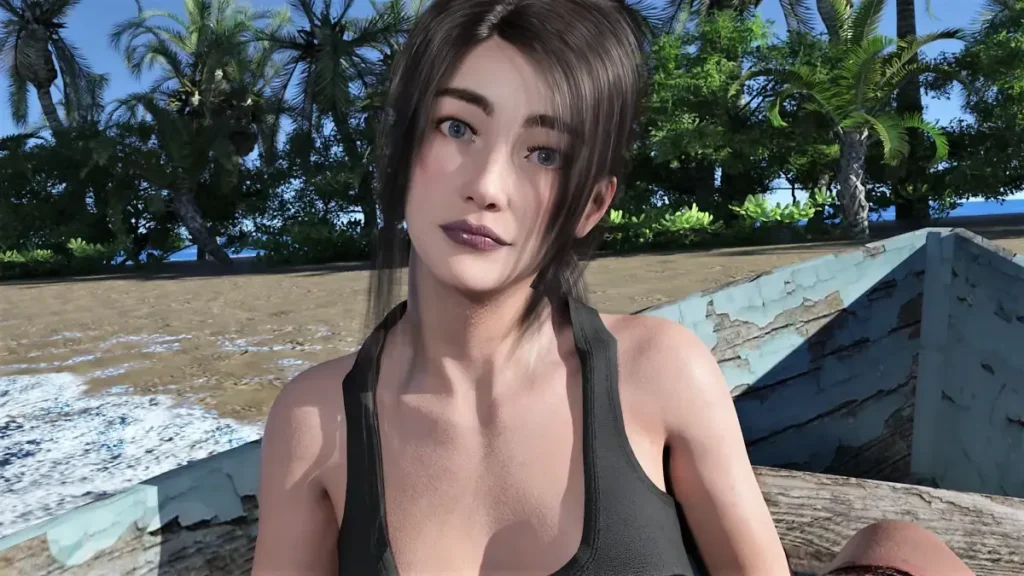
- Stunning 3D Visuals & Animation: Forget static images. The characters and environments are rendered in rich, detailed 3D. The way light filters through the jungle canopy or emotion plays across a character’s face adds a layer of depth that’s crucial for immersion.
- Atmospheric Soundtrack & Sound Design: The soundtrack is a masterclass in mood-setting. From the serene, haunting melodies that play during introspective moments to the tense, pulsing tracks during confrontations, it perfectly underscores the emotional journey. The sounds of the jungle, the waves, and the weather complete the sensory package.
- Slow-Burn, Character-Driven Pacing: This isn’t a rushed experience. The Lost in Paradise story takes its time, letting tension simmer and relationships develop (or unravel) organically. This pacing makes the impactful moments hit with far greater force.
- Complex Branching Narrative: As discussed, the web of choices is vast and meaningful. Your path is truly your own, with lasting consequences that make every decision a moment of genuine reflection.
- High Replayability: With multiple unique endings and dozens of smaller variations along the way, the game invites you back to see what you missed. It’s designed for exploration.
My top piece of practical advice? Save often, and in different slots. Seriously. When you reach a major decision point, create a new save file. This simple habit opens the door to effortless replayability, allowing you to jump back and explore the “what if” without starting from scratch. Also, talk to everyone, and exhaust dialogue options. The island’s secrets and character depths are often hidden in optional conversations.
| Feature | Impact on Experience |
|---|---|
| Branching Choice System | Creates a deeply personal story with high stakes and real consequences, driving replayability. |
| 3D Graphical Fidelity | Elevates immersion, making the stranded island setting and character interactions feel tangible and real. |
| Atmospheric Storytelling | Uses pacing, music, and visual cues to build tension and emotional investment, going beyond plain text. |
Ultimately, Lost in Paradise succeeds because it understands its own premise perfectly. It uses the stranded island trope not just as a setting for romance, but as a pressure cooker for human nature. The choice-driven narrative in Lost in Paradise ensures you’re not a passive observer; you’re the author of your own complicated, often thrilling, survival story. Every replay peels back a new layer, revealing more about the island, its inhabitants, and perhaps, about the choices you’re willing to make when the world thinks you’re already gone. Ready to see what kind of survivor you are? Your story on the island awaits.
Lost in Paradise isn’t just a game—it’s your personal ticket to a world of tantalizing choices, deep romances, and island secrets that unfold differently every time. From the lush tropical visuals to the heartfelt character arcs and steamy encounters, it delivers thrills that linger long after the credits roll. My advice? Dive in tonight, experiment with bold decisions, and uncover every path. Ready to get lost? Download it now, start your adventure, and share your wildest ending in the comments—I’d love to hear how your paradise turned out.