Kindread: The Redburns
Play Kindread: The Redburns
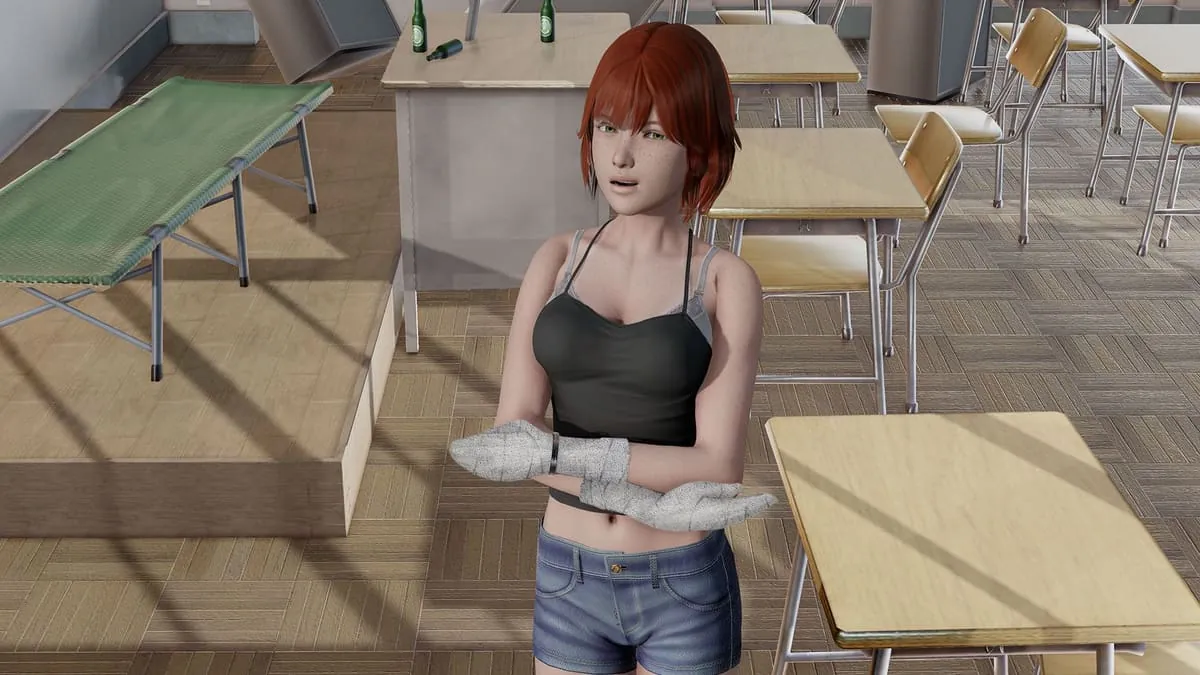
Kindread: The Redburns Screenshots









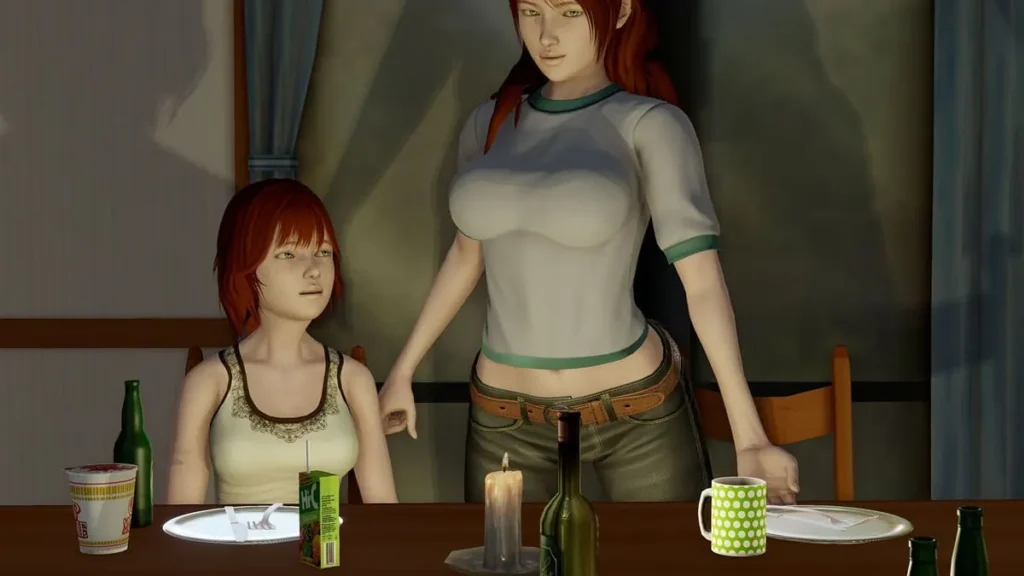




Kindread: The Redburns review
In-depth walkthrough, features, tips, and player insights for Kindread: The Redburns
Kindread: The Redburns places you in the tense role of the lone male survivor inside a small group during a zombie apocalypse, where choices shape relationships and outcomes — this guide covers the game in full detail to help you navigate its narrative, mechanics, and moral decisions. In the paragraphs ahead you’ll find a clear chapter-by-chapter walkthrough, character relationship strategies, practical gameplay tips, and personal anecdotes from playtesting that highlight pitfalls and high-reward choices. Whether you want to complete all major paths, secure specific character outcomes, or simply understand how the game systems interact, this article will guide you step by step.
Story, Setting, and Core Themes
At its heart, Kindread: The Redburns presents a premise that is both stark and deeply human. You are not a superhero soldier, but an ordinary person—the last man—stranded in the isolated, crumbling town of Redburns with a small group of women, all struggling to outlast a relentless zombie outbreak. Here, the true enemy is often not the groans beyond the barricade, but the silent tensions, shared grief, and fragile hopes within the shelter. The Kindread The Redburns story brilliantly uses this pressure-cooker environment to explore how relationships are forged and broken when survival is the only common goal. 🧟♂️💔
This chapter digs into the world you’ll inhabit and the powerful narratives you’ll shape. We’ll explore the haunting Redburns setting, dissect the weight of your game narrative choices, and understand how the game’s adult visual novel themes and sophisticated relationship mechanics Kindread are interwoven to create a truly memorable experience with profound branching endings Kindread.
Overview of the Narrative and Premise
The game doesn’t begin with a bang, but with a slow, chilling realization. The world has ended, and the town of Redburns is your entire world now. The narrative premise is your anchor: you must manage scarce resources, fortify your shelter, and navigate the complex web of personalities around you. Each character arrives with her own trauma, secrets, and survival instincts. Are you a unifying leader, a pragmatic survivor, or something more intimate? The story lets you decide.
The Redburns setting is a character in itself. It’s not a generic post-apocalyptic backdrop; it’s a specific, decaying small town with a history. You’ll navigate abandoned suburban homes, a overgrown community park that once hosted summer fairs, and the makeshift shelters you call home. This familiar, now-hollowed environment amplifies the sense of loss and the fragile bubble of safety your group has created. Exploring these spaces often yields more than just supplies—it uncovers snippets of the town’s past and personal mementos that can trigger meaningful, trust-building conversations with your companions.
The external threat is compounded by a unique and terrifying twist: a slow-acting infection. Not every bite or scratch means an immediate, horrific transformation. Some characters may be living on borrowed time, their fate a ticking clock that influences their behavior, your choices, and the group’s morale. This element elevates the tension from simple survival horror to a poignant drama about care, sacrifice, and saying goodbye.
Tone, Themes, and Mature Content Handling
Kindread: The Redburns carves its own niche with a tone that is gritty, emotionally raw, and surprisingly hopeful. It treats its adult visual novel themes with a maturity that is often absent from the genre. Yes, romance and physical intimacy are possible paths, but they are never presented as frivolous or guaranteed rewards. They are extensions of the deep relationship mechanics Kindread cultivates.
The game is fundamentally about consent, trust, and emotional vulnerability. Intimate scenes are framed as moments of mutual comfort and connection in a world devoid of both, rather than gratuitous content. This is where the game’s praised consent mechanics visual novel approach shines. Characters have clear boundaries and emotional states. You will encounter explicit prompts and dialogue options that seek explicit confirmation, making intimacy a conscious, earned culmination of a relationship path, never an assumption.
Player Tip: Always pay attention to character mood indicators in the UI. A character who is grieving, angry, or scared will not be receptive to romantic advances. The game’s systems reinforce that respecting emotional boundaries is the only way to build genuine connection.
This responsible handling extends to all mature themes, including trauma, loss, and coercive dynamics. The narrative doesn’t glorify the power imbalance of being the “last man”; instead, it challenges you to either exploit it or actively work to overcome it through empathy and shared responsibility. Playing with this awareness—thinking of your companions as fully realized people, not objectives—is key to appreciating the story’s depth.
How Story Choices Affect Long-term Outcomes
The magic of Kindread: The Redburns lies in its delicate, interconnected web of consequences. Your game narrative choices, from the monumental to the seemingly trivial, plant seeds that blossom—or wither—hours later. The game employs a hidden trust and affinity system for each character, and every interaction feeds into it.
This isn’t about picking obvious “good” or “bad” dialogue options. It’s about aligning your actions with a character’s core personality and current needs. Consoling a character who values emotional honesty will build deep trust, while offering pragmatic, unemotional solutions might build respect but distance. Ignoring a character’s repeated requests to help secure the perimeter might subtly reduce overall group morale, making later cooperative efforts harder and potentially locking you out of their personal storyline.
Let me share a personal playthrough story that hammered this home. Early on, during a severe food shortage, I had to decide how to allocate our last proper meal. I chose to share my portion equally with Elara, a character who was deeply distrustful and valued fairness above all. It seemed like a small, kind gesture at the time. Much later, when a conflict erupted over leadership, Elara—who had witnessed dozens of my other decisions—publicly defended me. This wasn’t a scripted event; it was a direct result of that accumulated trust. It then unlocked a secret, quiet scene where she shared a painful memory about her family, a scene I never saw in previous runs where I’d hoarded that early resource.
This is the power of the branching endings Kindread is famous for. Endings aren’t simply a final choice between two doors. They are the sum total of every conversation, every shared moment, every kept (or broken) promise. You might achieve a romantic ending with a character, a platiful but deeply bonded “found family” ending for the whole group, or a tragically solitary ending where your failures to connect leave you truly alone. The game tracks it all.
To help you navigate this beautifully complex system, here are 5 actionable takeaways you can use immediately:
- Prioritize Trust-Building Dialogue 🗣️: In early conversations, focus on options that show empathy, active listening, and support. Building a foundation of trust is more valuable than immediately flirting or asserting dominance.
- Become a Mood Detective 🕵️♂️: Before important talks, check in with characters around the shelter. Their ambient dialogue often hints at their current emotional state, clueing you into the best approach.
- Save Strategically & Often 💾: Create a new save file at the start of each in-game day and before any major decision point (like a supply run or a personal conversation). This lets you explore consequences without losing dozens of hours of progress.
- Balance the Personal with the Practical ⚖️: Don’t neglect shelter management tasks (security, food). While bonding is crucial, a group that feels unsafe and hungry will have lower collective morale, which can negatively impact all relationships.
- Embrace Roleplay Consistency 🎭: Decide on your character’s core personality early (e.g., the Compassionate Guardian, the Pragmatic Leader, the Wounded Soul). Making choices that align with this role will lead to more coherent, satisfying narrative arcs and endings.
- Explore the Environment 🏠: Click on everything in your shelter and in safe zones. Many objects can be examined, triggering unique character interactions and lore that boost affinity.
- Understand That “No” is a Valid Path ❤️🩹: Sometimes, the most character-appropriate choice is to respectfully decline or create space. The game often rewards emotional intelligence and respecting boundaries with deeper narrative payoffs later.
To visualize how early choices can ripple through your game, consider this breakdown of a key relationship:
| Early Game Choice | Immediate Effect | Long-Term Narrative Consequence |
|---|---|---|
| Choosing to spend a quiet evening listening to a character’s fears instead of going on a solo supply run. | +Major Trust with that character. Minor risk of slightly less supplies. | Unlocks a mid-game confession scene where they reveal a crucial secret. May lead to a unique, character-specific survival skill being shared with the group. |
| Prioritizing reinforcing the gates over attending a group memorial. | +Group Security rating. -Morale for several characters. | Can cause a later story conflict where characters question your loyalty to the “group,” potentially closing off a unified ending. |
| Honoring a character’s request for privacy after a traumatic event. | No immediate change. Might feel like a “missed” opportunity. | Days later, that character approaches you voluntarily with significantly increased trust, opening a more genuine and intimate story path than if you had pressed them. |
The Kindread The Redburns story is a testament to the power of interactive narrative. By understanding the weight of the Redburns setting, engaging thoughtfully with its adult visual novel themes, and mastering its nuanced relationship mechanics Kindread, you move from simply playing a game to truly curating a unique, emotional saga. Remember, every choice is a brushstroke on the canvas of your final outcome—so choose not just to survive, but to connect. 🎨✨
Kindread: The Redburns is a branching visual novel that balances survival pressures with character-driven choices; focusing on trust-building, mindful resource management, and strategic saving will let you unlock the most meaningful scenes and endings. Use the chapter walkthroughs and character strategies above as a roadmap: start conservatively, prioritize affinity when it matters, and save before pivotal decisions so you can explore alternate paths. If you enjoyed this guide, try a replay focused on a different character arc and share your experience with the community to help others discover nuanced outcomes.