How to Fix the Future
Play How to Fix the Future
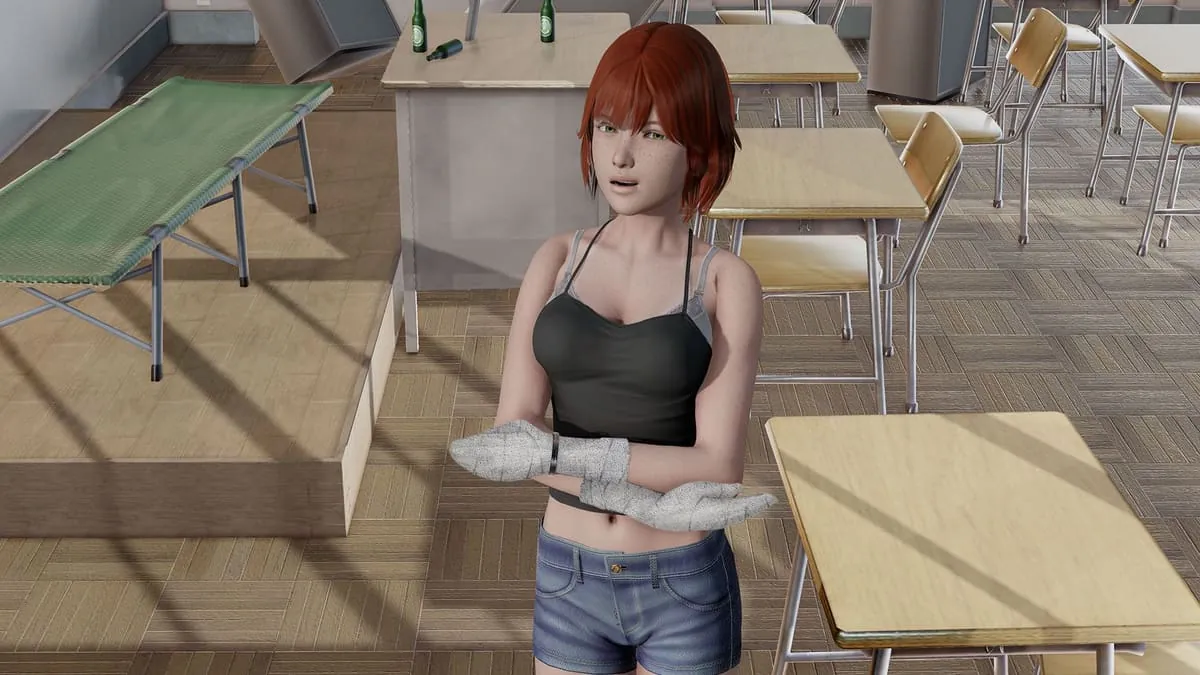
How to Fix the Future Screenshots

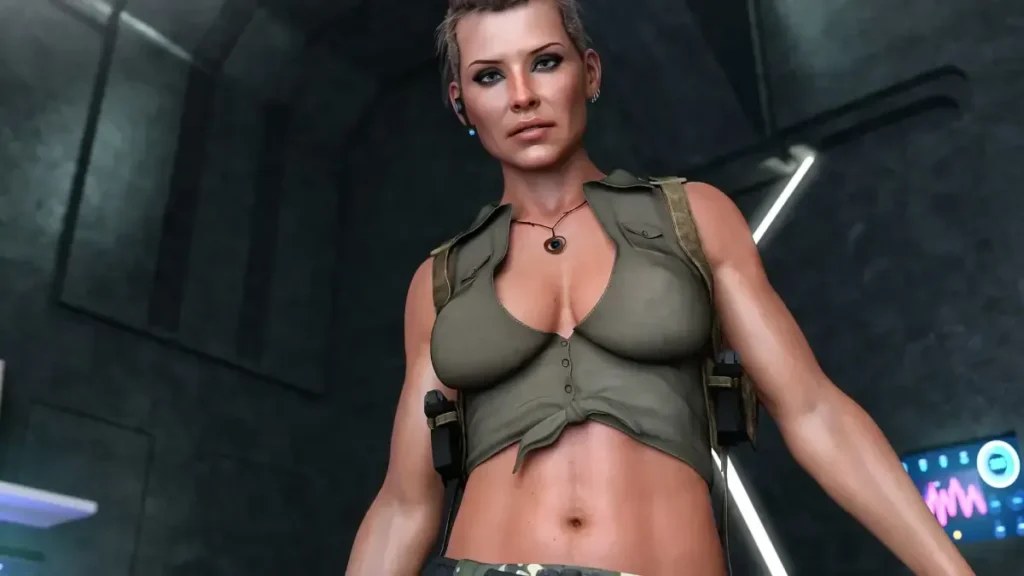






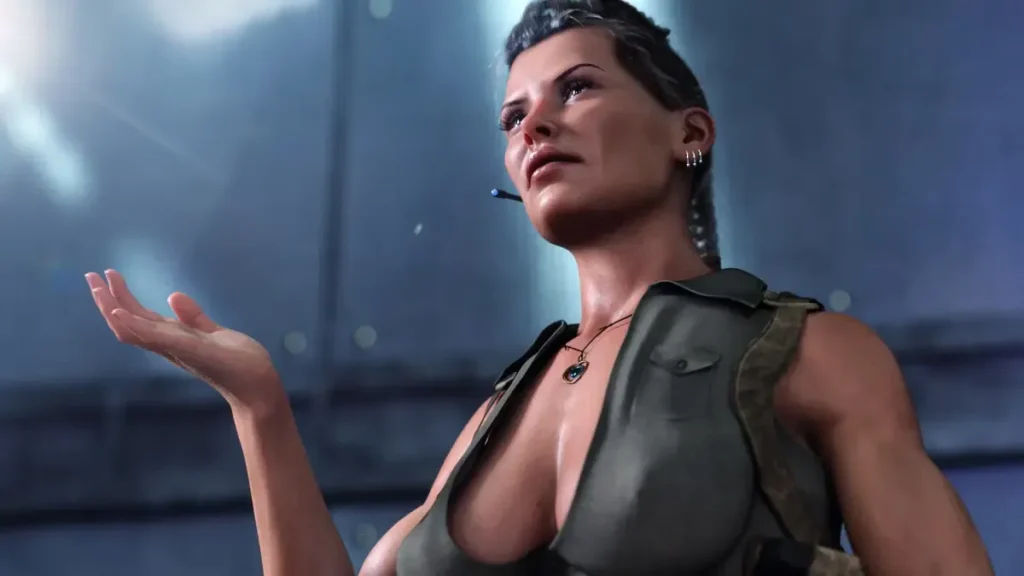





How to Fix the Future review
Master storyline choices, character relationships, and mission outcomes in this narrative-driven visual novel
How to Fix the Future is an immersive narrative-driven visual novel that challenges players to navigate complex storylines, make consequential decisions, and uncover the truth about a dystopian future. This guide explores the game’s core mechanics, character development systems, and strategic approaches to achieving different endings. Whether you’re a first-time player or seeking to unlock alternate storylines, understanding the game’s decision framework and mission structure is essential. Learn how to maximize your gameplay experience and discover all the narrative branches this compelling visual novel has to offer.
Understanding the Game’s Core Narrative and Setting
Remember that sinking feeling in a game when you realize your choices didn’t really matter? 😩 You’d spend ages agonizing over a dialogue option, only for the story to railroad you down the same path anyway. I’ve been there, and it totally breaks the immersion of a narrative-driven experience.
Luckily, “How to Fix the Future” is the antidote to that. This isn’t a game where you just watch a story unfold; you are the architect of its every twist and turn. Your visual novel narrative choices carry real, tangible weight, creating a unique journey through a chillingly familiar world. To truly master it, you need to understand the world you’re stepping into and the people who inhabit it. Let’s dive into the foundation of this unforgettable experience.
The Dystopian World and Government Control 🏙️🔍
Welcome to the near-future city of Aethelburg, a place of gleaming skyscrapers and profound social decay. This is the core of the dystopian game setting explained. On the surface, society functions. There’s order, advanced technology, and a government that promises safety and prosperity for all. But peel back that shiny veneer, and you’ll find a system of control so pervasive it makes your skin crawl.
The mechanism of control? The “Harmony Network.” Sold to the public as a benevolent tool for civic management and crime prevention, it’s a vast, interconnected web of surveillance. Every public camera, every digital transaction, every online profile is fed into a central database. The government doesn’t just watch the streets; it analyzes behavior, predicts “non-conformity,” and quietly eliminates threats to its version of stability before they even blossom.
Think of it this way: In most games, a security camera is a minor obstacle. In How to Fix the Future, the entire city is the camera. Your every action, and the actions of every character you meet, exists within this panopticon.
The genius of this surveillance theme narrative game is how it makes the oppression personal. It’s not about jackbooted thugs on every corner (though they exist too). It’s about the quiet erasure of dissenters, the manipulation of news feeds, and the chilling reality that your most private moments are just data points in a spreadsheet. This world-building is crucial to the How to Fix the Future game story, because your entire mission is born from a flaw in this perfect system of control—a backdoor into the very databases that enslave the populace.
Your journey begins when you, as the player, stumble upon a corrupted data stream. It’s a glimpse behind the curtain, revealing not just surveillance logs, but deeply personal dossiers: fears, secrets, and vulnerabilities of everyday citizens. This discovery is the catalyst. It transforms the gameplay from a passive observation into an active rebellion. You’re not just fighting a government; you’re fighting for the right to a private thought, an unobserved moment, a self-determined life. Understanding this oppressive atmosphere is the first step in learning how to fix the future.
Character Backgrounds and Motivations 🧩❤️🔥
A great world is nothing without compelling people to fill it, and the character development visual novel mechanics in How to Fix the Future are some of the best I’ve seen. These aren’t just archetypes spouting plot points; they’re complex individuals whose lives have been shaped—and often shattered—by the world of Aethelburg. Your relationships with them are the engine of the story.
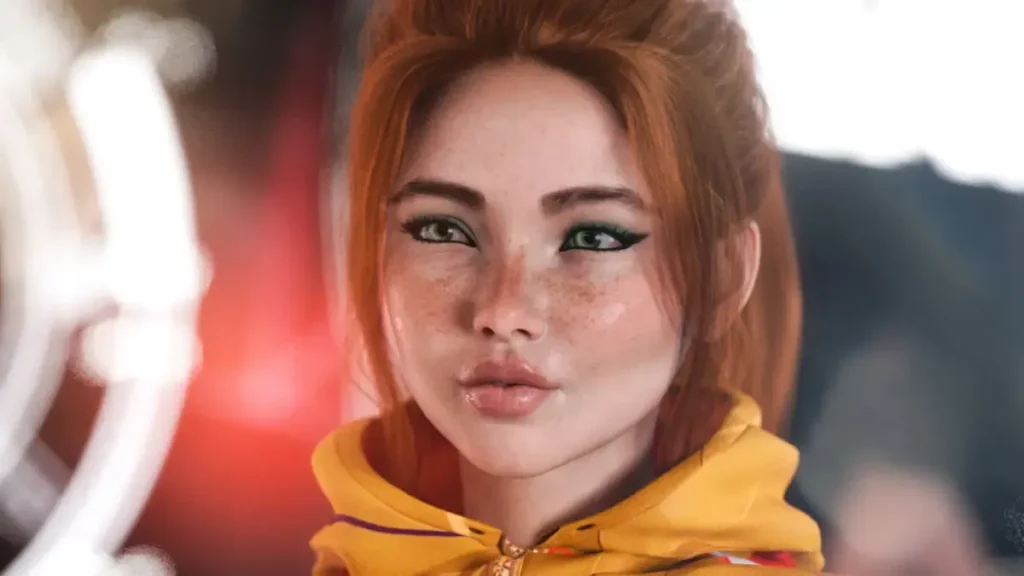
At the center of it all is Chloe, your protagonist and avatar in this digital rebellion. She’s not a chosen one from prophecy; she’s a willful, brilliantly tech-savvy individual who saw the crack in the system and decided to pry it open. Playing as Chloe feels powerful because her skills are tangible—you’ll perform hacking mini-games, decrypt files, and navigate secure networks. But her true strength lies in her empathy and her stubborn refusal to accept the status quo. She becomes the reluctant heart of the resistance, connecting the disparate souls who have been wronged by the Harmony Network.
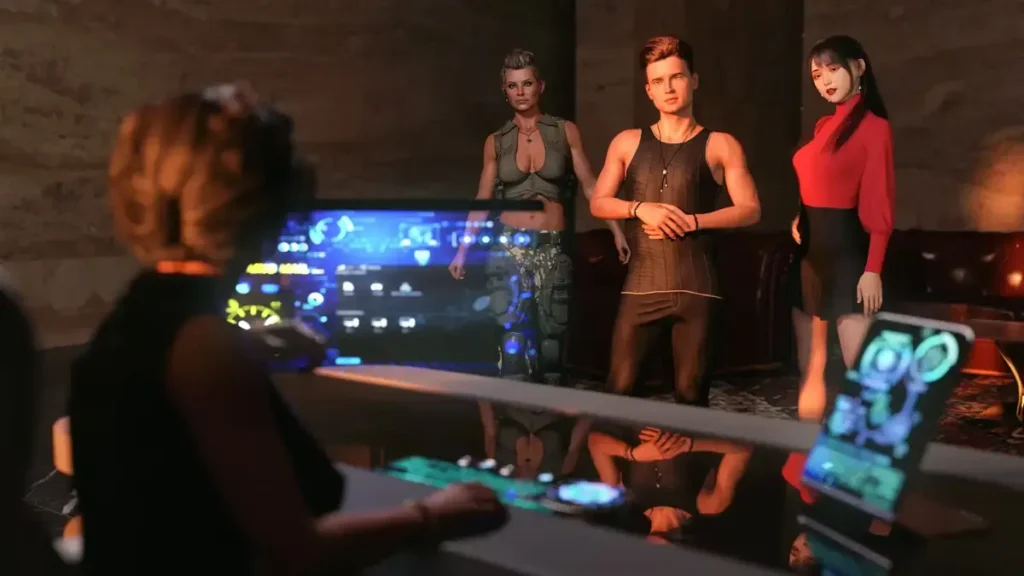
| Character | Background & Role | Key Skills & Motivations |
|---|---|---|
| Chloe (Protagonist) | A freelance data analyst and “system ghost” who discovers the backdoor to the surveillance databases. Becomes the de facto leader of the emerging resistance cell. | Expert hacking, data decryption, and social engineering. Motivated by a deep-seated belief in personal liberty and a traumatic personal loss linked to state surveillance. |
| Derek Vance | The charismatic and ruthless President of OmniCorp, the private corporation that built and maintains the Harmony Network for the government. The architect of the oppression. | Master manipulator, strategic genius, and control freak. Motivated by a twisted ideological belief that total control is necessary for human progress and safety. |
| Maya | A former Harmony Network compliance officer who grew disillusioned. She becomes Chloe’s most crucial inside source and moral compass. | Institutional knowledge, security protocol expertise, and a keen understanding of bureaucracy. Motivated by guilt and a desire for redemption. |
| Leo | A street-smart “runner” who operates in the city’s blind spots, transporting people and information off the grid. The resistance’s eyes and ears on the street. | Stealth, urban navigation, and a vast network of underground contacts. Motivated by the loss of his community to “gentrification” enforced by the Network. |
| Dr. Aris | A cognitive scientist who helped design the Network’s predictive algorithms. Now a fugitive, horrified by how her life’s work is being used. | Understanding of the Network’s core AI, psychological profiling. Motivated by ethical responsibility and the desire to dismantle her own creation. |
The pivotal revelation, which you’ll uncover through careful investigation and branching storyline decisions, is that the face of this oppression isn’t just a faceless government. It’s Derek Vance. He’s not a cartoon villain; he’s a true believer. In his mind, the chaos of free will is the real enemy, and his system is the painful but necessary cure for humanity’s ills. Your conflict with Derek is deeply personal and ideological. Will you try to reason with him, exploit his hubris, or utterly destroy him and everything he’s built? This central relationship is what makes the How to Fix the Future game story so gripping.
This is where the Academy sequences come in. 🎓 These aren’t boring tutorials. They’re immersive training modules woven into the narrative—flashbacks to Chloe’s formal education or simulated exercises created by your allies. They naturally teach you the game’s mechanics (hacking, dialogue persuasion, stealth planning) by tying them directly to character development. You’re not just learning a button combo; you’re learning how Chloe thinks, or how Maya analyzes security, making you feel more connected to your team with every lesson.
How Your Decisions Shape the Story ⚖️🌳
This is where How to Fix the Future truly shines. Every interaction is a potential branch in the narrative tree. The game’s structure is a masterpiece of cause and effect, where a seemingly small choice in Chapter 2 can dramatically alter the landscape of Chapter 6. Your visual novel narrative choices are the DNA of your unique story.
Let’s talk about the types of choices you’ll face, which go far beyond simple “good vs. evil” binaries:
- Ethical Hacks: Do you use your access to the surveillance database to simply gather evidence, or do you actively ruin the life of a corrupt official by leaking their secrets? The former is safer; the latter might remove an obstacle but will make you a more prioritized target.
- Relationship Priorities: When two allies need your help simultaneously, who do you choose? Saving Leo might secure vital supply routes, but helping Dr. Aris could unlock a deeper understanding of the Network’s AI. The person you neglect may survive, but your relationship with them—and their willingness to help later—will be permanently damaged. This is character development visual novel in real-time.
- Confrontation vs. Subterfuge: When facing Derek’s enforcers, do you stage a public hack to expose them, rallying the people but inviting a brutal crackdown? Or do you work in the shadows, slowly eroding his power base while the public remains blissfully unaware? Your approach defines the kind of resistance you’re building.
I remember one playthrough where, during a crucial early mission, I chose to comfort a scared informant instead of aggressively pressing them for information. It felt like a minor, emotional choice. Much later, when I was captured, that same informant, remembering my kindness, risked everything to create a diversion that allowed my escape. The game had remembered, and it rewarded my humanity. That’s the power of branching storyline decisions.
These choices funnel towards the game’s multiple endings. A comprehensive How to Fix the Future endings guide would be a document all on its own, but they broadly fall into categories based on your key decisions: do you dismantle the system, reform it from within, seize control of it for yourself, or fail entirely? Your relationships determine who stands with you at the end, and your ethical choices determine the cost of your victory—or the nature of your defeat. Will you create a free future, or just a new kind of tyranny?
This relentless focus on personal agency is what elevates How to Fix the Future from a great game to an essential experience. It argues that in the face of overwhelming control, the most radical act is to choose—to choose who to trust, what to fight for, and what kind of person you will become in the struggle. It’s a surveillance theme narrative game that ultimately isn’t about the surveillance; it’s about the indomitable human spirit hiding in its blind spots.
<
p>As you move forward in your playthrough, keep a mental note of your key choices and their consequences. There’s no “right” way to play, only your way. So, save often, don’t be afraid to follow your instincts, and remember: every single choice is a stitch in the fabric of your future.
<
h4>Frequently Asked Questions
<
p>Q: How drastically do my early-game choices affect the late game?
A: Extremely drastically. Early decisions determine which characters you meet, what information you find, and even open or lock entire mission pathways later. A character you alienate in Act 1 might be the key to a peaceful solution in Act 3, leaving you with only violent options.
<
/p>
<
p>Q: Is there a “true” or “canon” ending to How to Fix the Future?
A: The developers have stated there is no single canonical ending. The narrative is designed so that the ending you achieve is the valid conclusion to the specific story you told through your choices. This makes replaying for different endings a genuinely new experience, not just a checklist chore.
<
/p>
<
p>Q: Can I max out relationships with all major characters in one playthrough?
A: It is incredibly difficult, bordering on impossible, due to conflicting loyalties and mutually exclusive choices. The game encourages you to specialize your alliances, making each playthrough feel distinct. A “perfect” run is less about befriending everyone and more about achieving your personal goals with the team you built.
<
/p>
<
p>Q: How many major endings are there?
A> There are four core ending paradigms, but with numerous variations within each based on character survival, specific choices made, and the state of the world. A detailed How to Fix the Future endings guide might list 10-12 significantly different conclusions.
<
/p>
How to Fix the Future delivers a compelling narrative experience where your choices genuinely matter. By understanding the game’s core story elements, character motivations, and decision framework, you can navigate the dystopian world with confidence and unlock the endings that resonate most with your playstyle. Whether you’re focused on preventing Derek’s rise to power, developing specific character relationships, or exploring every narrative branch, this visual novel rewards careful attention to dialogue and strategic decision-making. Dive into the game with this knowledge, and discover why players find themselves captivated by its intricate storytelling and meaningful choices.