
Healslut
Play Healslut
Healslut Screenshots



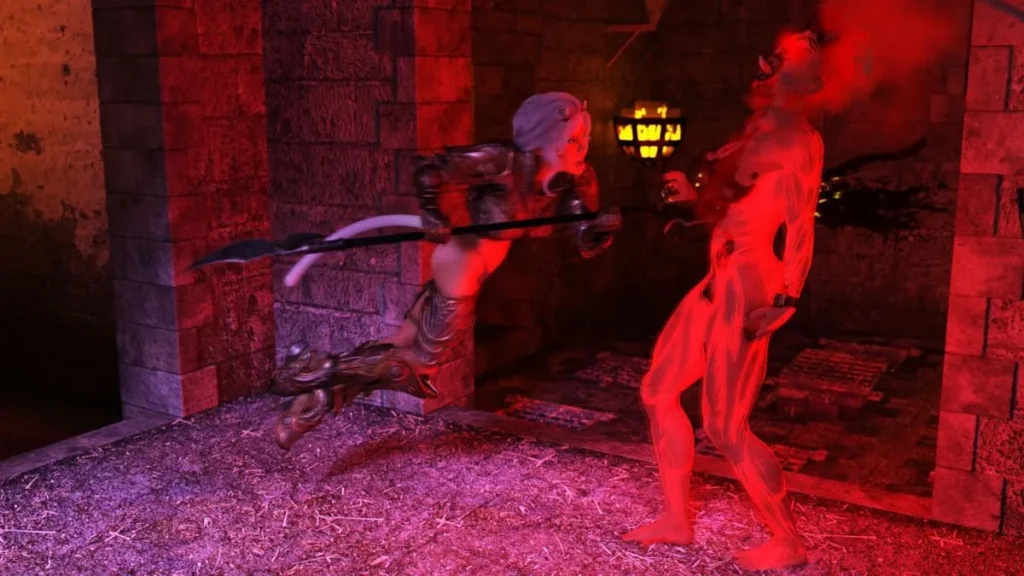


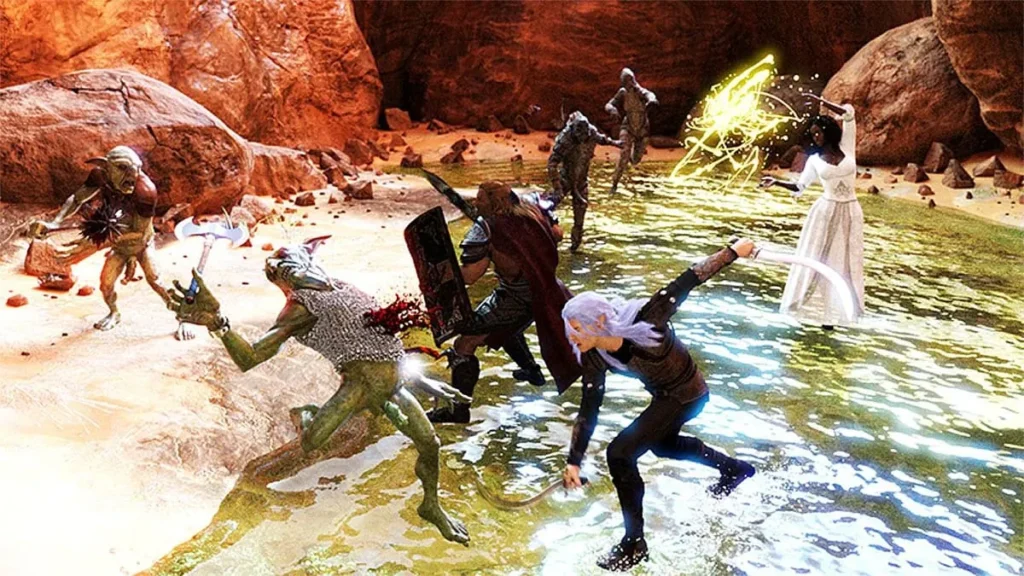

Healslut review
Master the interactive storytelling and strategic healing mechanics in this adult-themed fantasy RPG
Healslut represents a unique fusion of interactive storytelling and strategic gameplay mechanics within the adult gaming genre. Developed by Davie Zwei, this Ren’Py visual novel combines MMO-inspired healing class dynamics with narrative-driven choices that significantly impact your journey. Whether you’re drawn to the character customization options, the relationship-based puzzle systems, or the dynamic skill trees that affect story outcomes, Healslut offers a deeply immersive experience where every decision matters. This comprehensive guide explores the core mechanics, gameplay features, and strategic elements that make this title stand out in interactive adult gaming.
Core Gameplay Mechanics and Strategic Systems
So, you’ve created your character and stepped into the vibrant, unpredictable world of Healslut 🎮. The art is stunning, the characters are intriguing, and then… a party member takes a nasty hit. A bright, pulsing prompt appears on your screen. Now what? If you’re wondering how does Healslut gameplay work at its heart, you’re in the right place. Forget everything you know about mindlessly clicking health bars. This is where interactive storytelling and tactical decision-making fuse into one incredibly engaging loop. Let’s break down the core systems that make this game so uniquely addictive.
Understanding the Healing Mechanic and Resource Management
At its core, the Healslut gameplay mechanics revolve around a single, profound idea: healing is a conversation, not a command. You’re not just a spell vending machine 🧙♀️. Every act of restoration is an interaction with your ally, charged with narrative potential and strategic weight.
The primary resources you’ll manage are Focus and Energy. Think of Focus as your mental clarity—it’s what allows you to perform precise, powerful heals or charming interactions. Energy is your raw magical stamina, draining with every spell cast. The genius of the resource management strategy here is that these pools are deeply interconnected. A complex, high-impact heal might drain a huge chunk of Energy and a significant amount of Focus, leaving you vulnerable.
Here’s where the healing class dynamics get spicy. Let’s say your frontline fighter, Gorak, is bleeding out. You have options:
* Basic Mend: Low Energy cost, minimal Focus. It’ll stop the bleeding, but it’s clinical and impersonal. Gorak might grunt in thanks, but your bond doesn’t deepen.
* Empathic Surge: High Energy, high Focus cost. This heal washes over Gorak with warm, golden light, transferring not just health but a sense of your care. It might trigger unique dialogue, a loyalty boost, or even a flirtatious remark. But spend this now, and you might not have the Focus left to charm a suspicious guard in the next scene.
Pro Tip: I learned this the hard way. In an early dungeon, I blew my Energy on flashy heals for minor wounds. When the boss battle hit, I was tapped out, forced to watch a companion fall—a failure that altered my entire playthrough. Manage your resources like a precious currency; every point spent is a story choice.
This constant juggling act—between immediate survival and long-term relationship building—is the pulsating heart of the Healslut gameplay mechanics. To visualize how this differs from a standard RPG, let’s look at this comparison:
| Aspect | Traditional Healing Mechanics | Healslut’s Adult-Oriented Enhancement |
|---|---|---|
| Spell Casting | Click target, consume mana, health bar refills. Feedback is visual/audio effects. | Choose healing *approach*. Each has unique resource cost (Energy/Focus) and triggers narrative and relational feedback from the recipient. |
| Resource Management | Manage a single mana pool. Potions and rest restore it. | Manage dual pools (Energy & Focus). Some actions restore one at the cost of the other. Resources are tied to emotional and narrative states. |
| Feedback Systems | Health bar UI, combat log text, spell animations. | Dynamic character dialogue, changing relationship meters, unlocking of personal quests, and immediate narrative consequences. |
See the difference? It’s not just about numbers; it’s about nuance. This system forces you to be strategic, to read the room (or the battlefield), and to invest emotionally in every cast. This foundational loop then feeds into how you grow your character.
Dynamic Skill Trees and Moral Alignment Systems
If the healing loop is the engine, your dynamic skill trees and moral alignment system are the custom controls 🕹️. You don’t just pick between “better heals” or “stronger shields.” You sculpt your healer’s personality and methodology directly into their capabilities.
The skill trees are adaptive. They shift and offer new branches based on your in-game decisions. Early on, you might invest in “Restorative Burst,” a powerful AoE heal. But if you consistently use charm-based dialogue to de-escalate fights, the game might unlock a branch for “Soporific Aura,” which lets you pacify enemies—a totally different approach to “healing” your party by preventing damage altogether.
This is where healing class dynamics become profoundly personal. Your “class” isn’t just a preset archetype. Are you building a Comforting Caregiver, specializing in stress-relief and protective buffs? Or a Zealous Inspirer, whose heals come with potent damage bonuses that stir your allies into a frenzy? The tree reflects your story.
Now, intertwine this with the moral alignment system. This isn’t a simple Good/Evil slider. It’s a spectrum from Saintly to Mischievous, with profound gameplay implications. Let’s say you frequently use the “Empathic Resonance” ability—a skill that lets you soothe emotional trauma in NPCs, opening up hidden quests. This pushes you toward Saintly. A Saintly healer might later unlock “Radiant Absolution,” a ultimate ability that can fully resurrect a fallen ally at a massive cost.
But what if you enjoy playing with a sharper edge? Choosing abilities like “Venomous Kiss” (a heal that poisons the healee’s next attack) or using charm to manipulate NPCs for personal gain steers you toward Mischievous. This alignment could unlock “Life Drain,” allowing you to siphon health from an enemy to fuel your own party. Your alignment directly gates entire sections of the dynamic skill trees, making every playthrough feel unique.
Personal Insight: On my Mischievous-aligned run, I found that certain NPCs, like the pious temple guardian, would refuse my help entirely—my reputation preceded me. It created brilliant, unexpected challenges that a Saintly run never faced.
Risk-Reward Scenarios and Consequence-Driven Gameplay
This is where Healslut truly separates itself from the pack. Every significant action is framed within a risk-reward gameplay paradigm. The game constantly asks: “How much are you willing to gamble for a better outcome?” 🎲
These scenarios aren’t just combat-based. Imagine a tense negotiation with a bandit lord. You could:
* Play it Safe: Use a standard dialogue option. The result is predictable—you might pay a modest toll and pass.
* Gamble: Use a high-level charm skill (“Beguiling Glance”). This costs major Focus. If you succeed, you not only pass for free, but the bandit lord becomes a smitten, occasional informant. If you fail the check? The consequences are “spicy.” Maybe he’s insulted and attacks with double the forces. Or perhaps he’s intrigued in a more dangerous way, kidnapping a party member and triggering a rescue side-quest you never anticipated.
Failure is never just a “Game Over” screen. It’s a narrative pivot. A failed healing check during a critical moment might leave a permanent scar on an ally, changing their dialogue and available skills forever. This risk-reward gameplay ensures you’re always on the edge of your seat, because every choice has tangible, often romantic or dramatic, stakes.
As you progress into the late-game, the stakes evolve into sophisticated challenges that test the very build you’ve created:
- Morality Locks: Past decisions come home to roost. That ancient spirit of purity you deceived 30 hours ago? It now recognizes your tainted soul and actively dispels your Mischievous-aligned abilities in its sanctum, forcing you to rely on your party or basic skills.
- Relationship-Based Puzzles: The final dungeon’s door isn’t opened by a key, but by mediating a bitter argument between two party members whose trust you’ve cultivated (or neglected). Your charm and empathy stats are directly tested as dialogue attributes.
- Permadeath Options: For the truly hardcore, enabling this mode means if a party member falls in combat and your resuscitation check fails, they are gone for good—along with their quests, romance line, and combat role. It transforms the resource management strategy into a desperate, high-wire act.
This ecosystem of mechanics—the intimate healing loop, the personalized dynamic skill trees, the guiding moral alignment system, and the thrilling risk-reward gameplay—creates a profoundly addictive experience. You’re not just managing cooldowns and health pools; you’re managing emotions, relationships, and your own character’s evolving soul.
Mastering how does Healslut gameplay work is about understanding that every resource point is a word in a dialogue, every skill point is a trait in your personality, and every risky choice is the chance to write a more unforgettable story. It’s a game that doesn’t just want you to heal wounds; it wants you to feel them. Now, go forth. Your party—and your story—awaits your unique touch ✨.
Healslut stands out as a compelling blend of strategic gameplay and interactive storytelling that respects player agency and narrative consequence. From the intricate resource management and dynamic skill trees to the relationship-based puzzle systems and multiple game modes, every element contributes to a deeply immersive experience. The game’s commitment to meaningful character customization, branching dialogue systems, and consent-focused mechanics creates an environment where your choices genuinely matter. Whether you’re drawn to the story campaign’s narrative depth, the fast-paced dungeon rush, or the build optimization of the arena gauntlet, Healslut offers substantial replay value and unique paths to discovery. The genius of this title lies in transforming what could be a linear experience into a dynamic dance of strategy, connection, and personal storytelling. If you’re seeking an adult-themed game that prioritizes both engaging mechanics and authentic character interaction, Healslut delivers a memorable journey worth exploring.