Happy Summer
Play Happy Summer
Happy Summer Screenshots

Happy Summer review
Honest insights, tips and personal impressions about Happy Summer
Happy Summer is a story-driven game that mixes visual storytelling, relationship dynamics and interactive choices in a relaxed summer setting. In this guide, I’ll walk you through what makes Happy Summer unique, how the gameplay really feels once you’re a few hours in, and what I personally learned from playing it. Whether you’re just curious about the premise or already considering a full playthrough, this article will help you understand the game’s tone, mechanics, and content so you can decide if Happy Summer fits what you are looking for.
What Is Happy Summer and Who Is It For?
So, you’ve heard the name Happy Summer floating around, maybe seen a screenshot or two of sun-drenched scenes, and you’re wondering what the buzz is about. 🤔 You’re not alone. The Happy Summer game often gets mentioned with a knowing smile, but what exactly is it? Is it just another visual novel, or is there something more to its sunny facade?
Let’s pull up a virtual beach chair, pour a cold drink, and break it down. This chapter is your honest, no-fluff guide to understanding the heart of the Happy Summer experience. We’ll explore the relaxing premise, the reactive story, and—most importantly—help you figure out if this is the right virtual getaway for you. 🏖️
Core premise and setting of Happy Summer
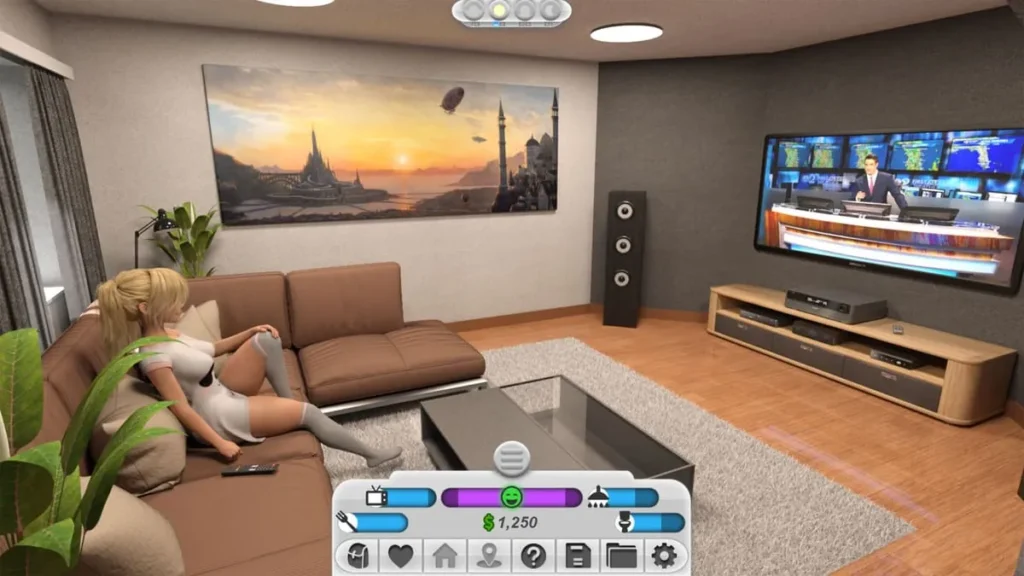
At its core, what is Happy Summer? Think of it less as a traditional “game” with scores and power-ups, and more as an interactive, narrative-driven summer vacation. 🌅 The Happy Summer gameplay style is firmly rooted in the visual novel genre, but with a strong emphasis on choice-driven relationship building.
You step into the shoes of a main character (often customizable) who finds themselves in a beautiful, warm-weather location. This could be a rented beachside apartment, a cozy villa, or a bustling seaside town. The setting is deliberately idyllic: think golden sunlight, casual outfits like shorts and sundresses, the sound of waves or cicadas, and a schedule governed by holiday time rather than the daily grind. This summery mood isn’t just a backdrop; it’s the soul of the Happy Summer story. The pace of life slows down. There’s time for long conversations, spontaneous outings, and quiet moments that, in another context, might feel ordinary.
The core premise of Happy Summer revolves around navigating this temporary slice of life. Your days are filled with social situations—hanging out with a cast of characters, getting to know them, and making choices in dialogue and action. The goals are typically personal: forge a connection, explore a relationship, or simply enjoy a memorable season. It’s about the slow burn, the gradual build-up of tension and familiarity through shared experiences. Don’t expect car chases or puzzle-solving; the primary “action” happens in conversations, glances, and the choices you make that steer these developing relationships.
In essence, the Happy Summer game asks: Who will you become, and who will you connect with, during this unforgettable season? The setting provides the perfect, pressure-free environment to find out.
Story tone and character dynamics
The Happy Summer story thrives on its character dynamics and the tone it cultivates. This isn’t a high-stakes epic about saving the world; it’s an intimate, sometimes surprisingly deep, look at interpersonal connections. The tone can fluidly shift based entirely on your decisions. One moment can be lighthearted and playful, full of beach volleyball banter or silly jokes over ice cream. The next can turn awkward, charged, or emotionally vulnerable as characters reveal their insecurities, pasts, or growing feelings.
This is where the Happy Summer characters truly shine. They are designed to feel reactive and multi-layered. A character who seems aloof and sarcastic at first might gradually open up to show a protective or surprisingly soft side. How they treat you depends heavily on your accumulated choices. It’s not just about picking the “right” option in a big moment; it’s the consistency of your behavior. Remembering a small detail they mentioned earlier, offering help with a minor task, or simply choosing to be a good listener in a casual chat—these seemingly small interactions build your reputation with each character over time.
The magic of the Happy Summer gameplay style is in this cause-and-effect. The story doesn’t just branch at major plot points; it subtly reroutes itself with nearly every dialogue choice. To give you a real sense of how this feels, here’s a personal moment from my own playthrough:
I was just a few days into my Happy Summer save. I met Alex, who was trying to fix a fussy outdoor grill for a group BBQ. He made a self-deprecating joke about being useless with tools. I had two main choices: join in the gentle teasing, or offer a simple, genuine compliment on his effort. I chose the compliment, thinking nothing of it—just trying to be nice. Fast-forward two in-game days. During a tense group conversation where Alex felt ganged up on, he unexpectedly glanced at me and said, “Well, [My Character] gets it. They’re cool.” That small moment of early support had built a sliver of loyalty that changed the group dynamic. It was a brilliant reminder that in this world, kindness is a currency, and attention is an investment.
This reactivity is what makes the Happy Summer story so engaging. You’re not just reading a predetermined narrative; you’re authoring unique relationships through every interaction.
Is Happy Summer the right game for you?
Now for the big question: who is Happy Summer for? And by extension, is Happy Summer worth playing for you? Let’s be honest—no game is for everyone, and understanding your own preferences is key to enjoying this one.
The Happy Summer game will feel like a perfect, relaxing fit if you:
* Love reading and storytelling. This is a text-heavy experience. If you enjoy getting lost in a good book or a detailed narrative, you’ll feel right at home. 📚
* Appreciate slow-burn tension and character development. The joy comes from the journey, not the destination. Watching relationships evolve nuance by nuance is the core appeal.
* Like exploring different outcomes. The Happy Summer gameplay style rewards replayability. Making different choices to see how characters react differently is a major part of the fun.
* Enjoy a relaxed, atmospheric experience. It’s a game to play to unwind, to immerse yourself in a vacation vibe without leaving your chair.
On the other hand, you might find the Happy Summer game less engaging if you:
* Crave fast-paced, action-oriented, or skill-based gameplay. If your ideal game involves quick reflexes, strategic combat, or complex mechanics, you’ll likely find this pace too slow.
* Need constant rewards or clear objectives. Progress here is measured in emotional beats and unlocked scenes, not experience points or loot drops.
* Dislike extensive reading. If you prefer games where story is delivered mainly through audio or short cutscenes, the amount of text could feel overwhelming.
My practical, actionable advice for a new player is this: Approach Happy Summer like an interactive summer novel. Be patient. Take your time with the dialogue—don’t just click through it. Talk to everyone, and pay attention to the little details. The Happy Summer characters will remember, and it makes the world feel truly alive.
It is also important to note directly that the Happy Summer game contains adult-oriented narrative content and scenes. This is a fundamental part of its design for its target audience. As with any game of this nature, I strongly recommend you always respect local regulations and age restrictions, and ensure such content is never accessed or shared with minors.
To quickly summarize who might enjoy this experience:
-
👍 You’ll probably love Happy Summer if you…
- Enjoy visual novels and choice-driven narratives.
- Look for games with strong, reactive character writing.
- Don’t mind a slow, atmospheric pace.
- Appreciate games designed for multiple playthroughs.
-
👎 You might want to skip Happy Summer if you…
- Prefer action, puzzles, or management gameplay.
- Get impatient with lots of reading and dialogue.
- Need immediate gameplay feedback and rewards.
So, is Happy Summer worth playing? If the idea of crafting your own personal, relationship-focused summer story through meaningful choices sounds appealing, then absolutely. It offers a specific, well-executed experience for a specific audience. Understanding the Happy Summer gameplay style, its character-driven heart, and its relaxed pace from the outset is the best way to ensure you have a truly satisfying time. It’s all about matching expectations to reality. When they align, you’re in for a memorable season. ☀️
Happy Summer is at its best when you treat it as a slow, character-driven story rather than rushing for quick results. By understanding its relaxed summer setting, relationship-focused gameplay and branching choices, you can better appreciate the small moments that gradually build towards more intense scenes. If you enjoy reading, experimenting with different dialogue options and seeing how characters evolve across multiple playthroughs, Happy Summer can be a surprisingly engaging experience. Take your time, respect age-appropriate boundaries and local rules, and explore the game at a pace that feels comfortable and enjoyable to you.