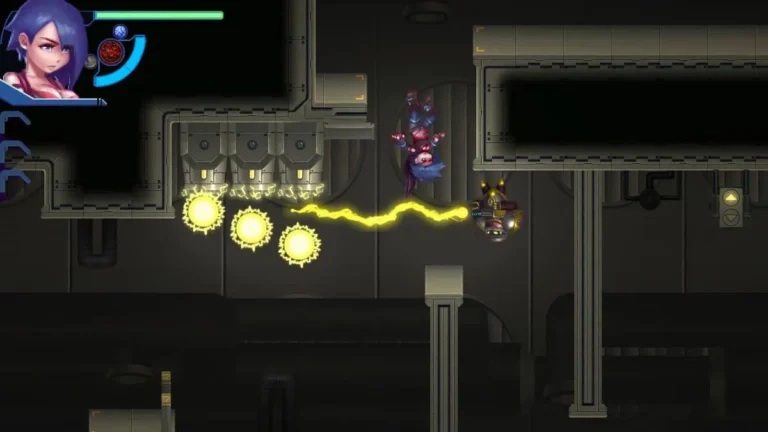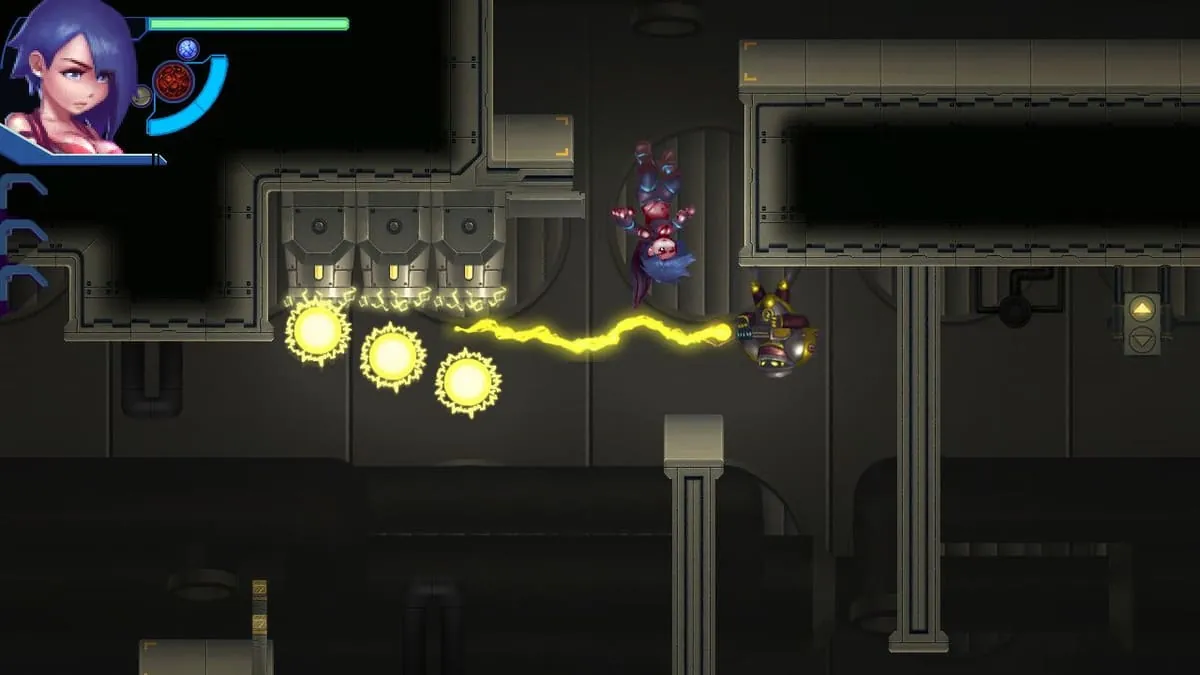
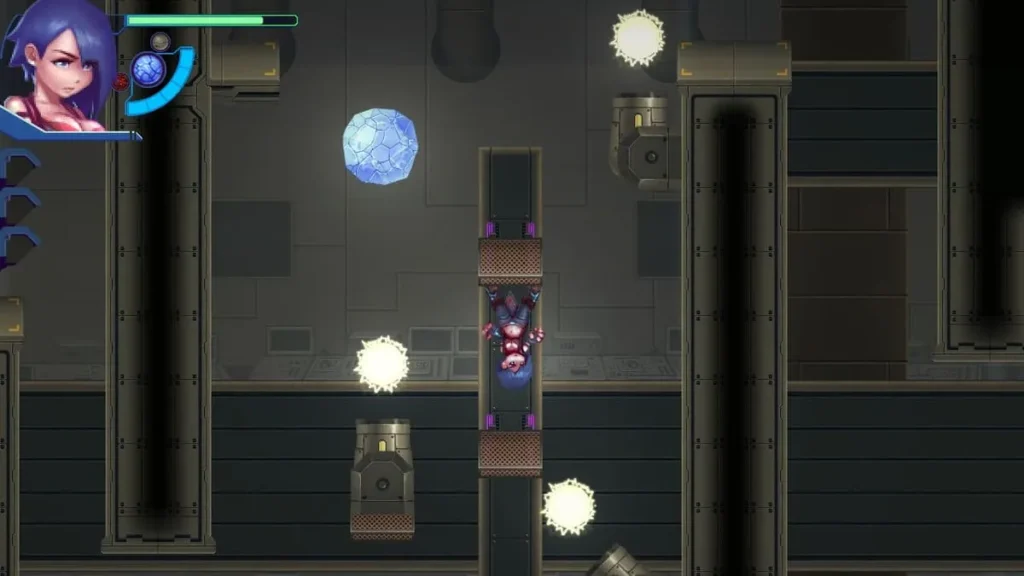
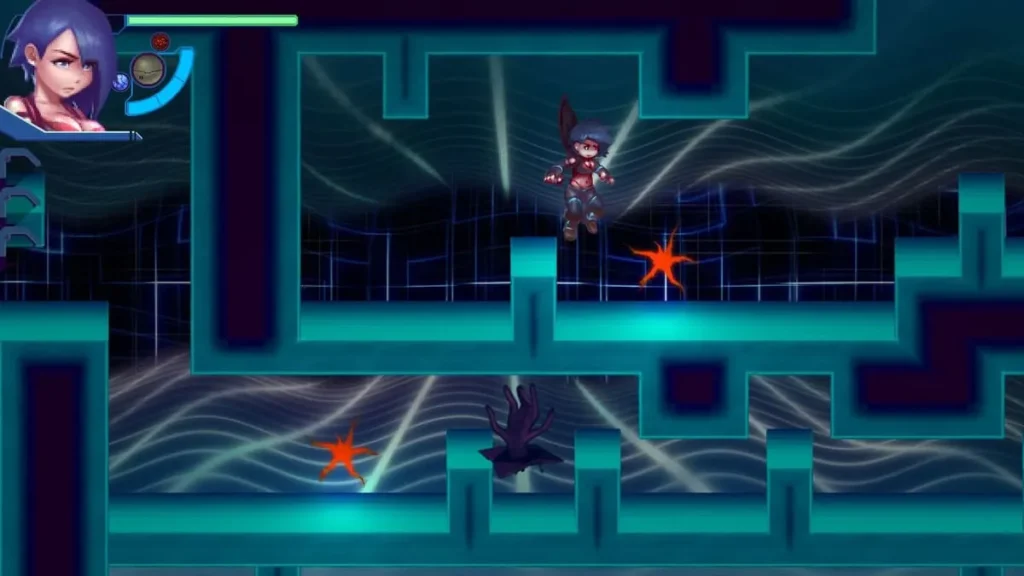
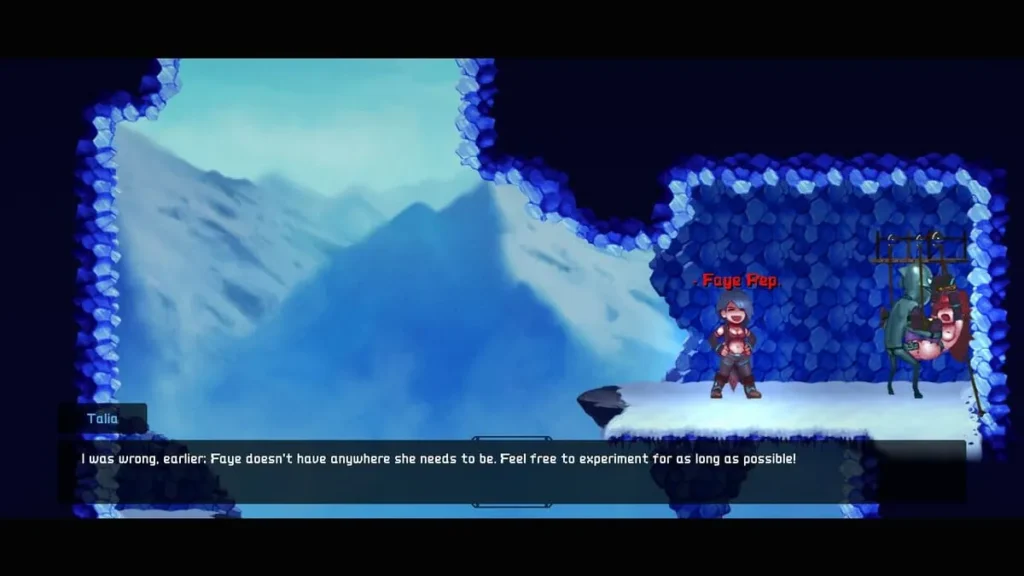
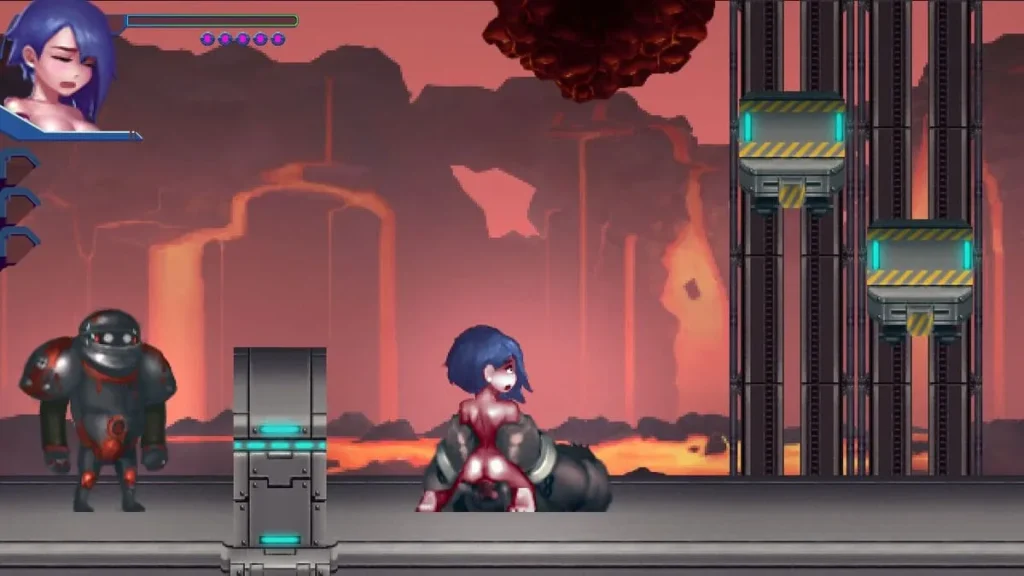
Future Fragments Screenshots

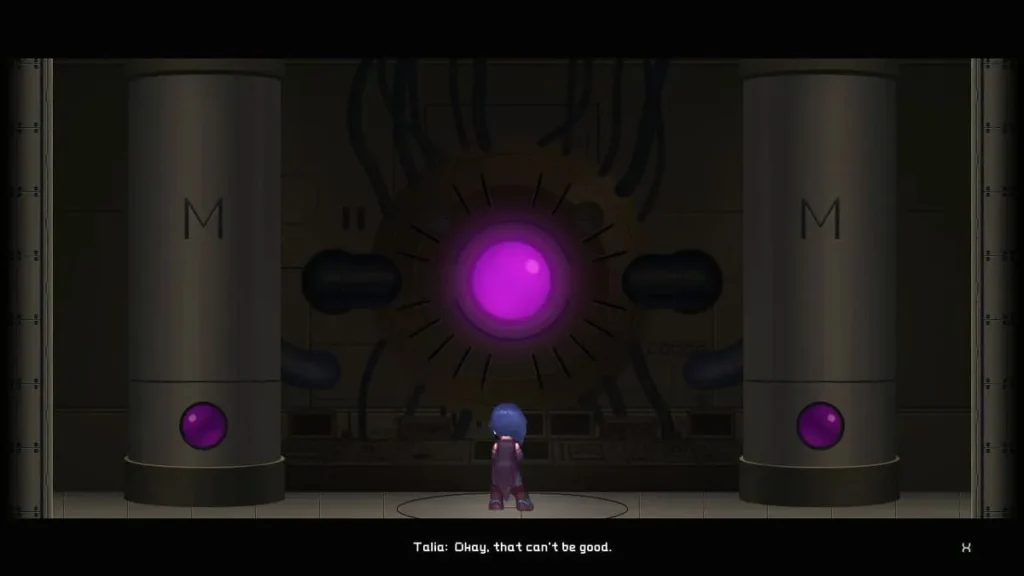
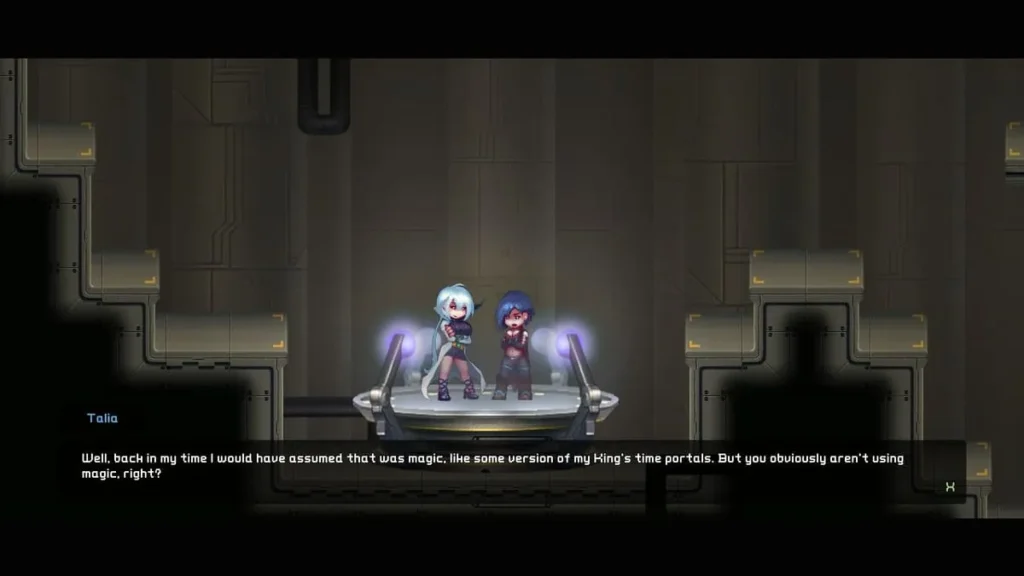
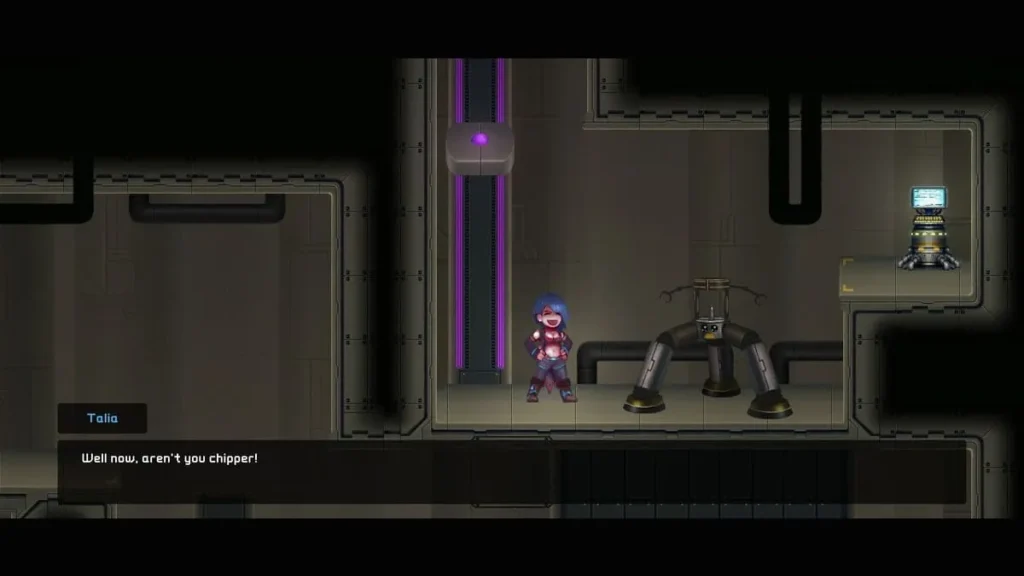
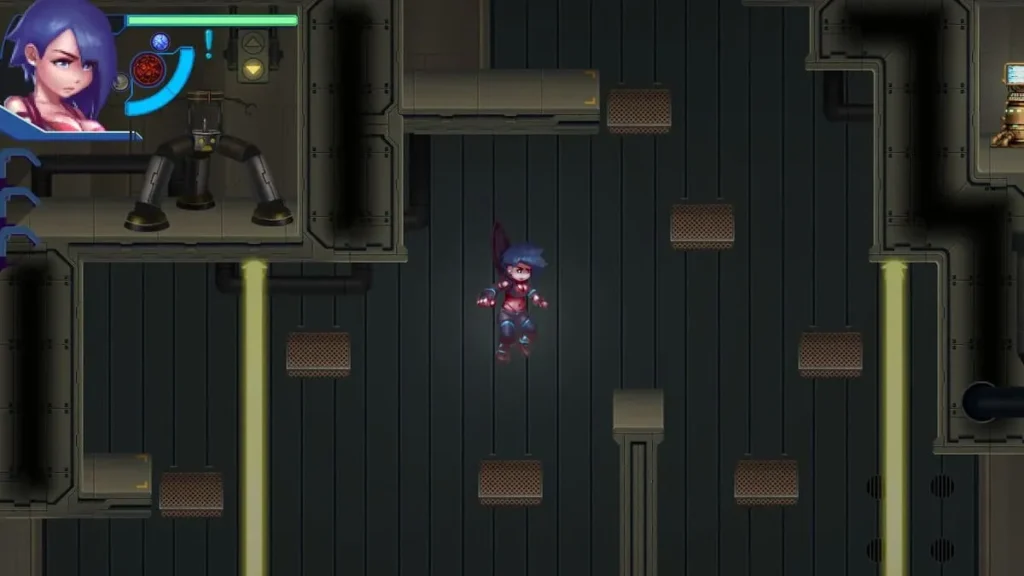
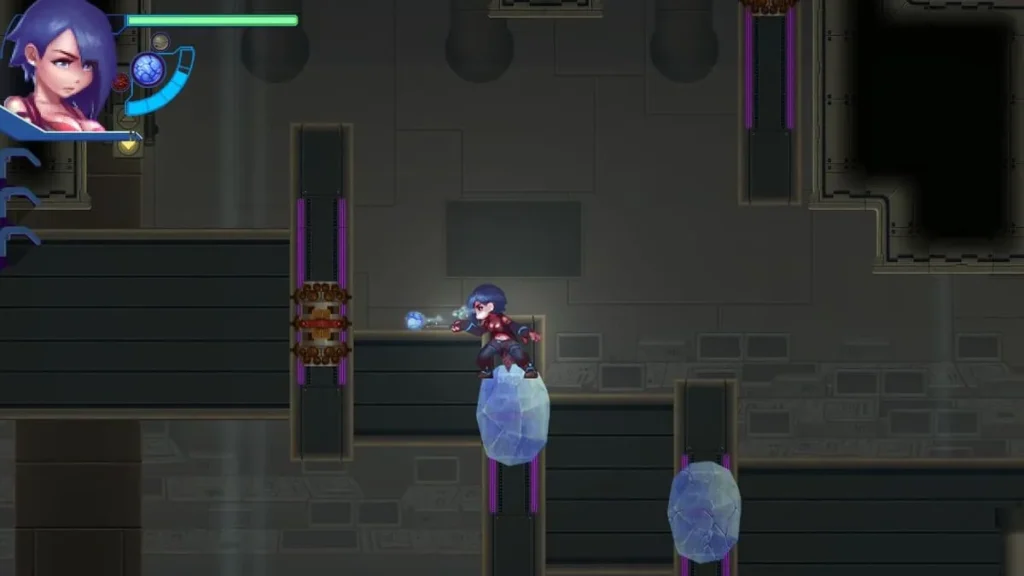
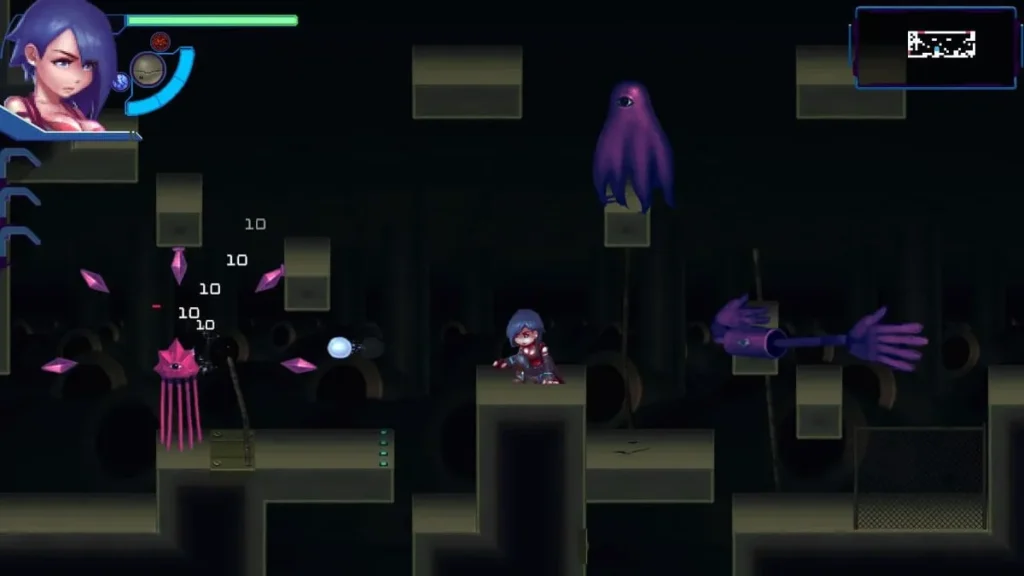



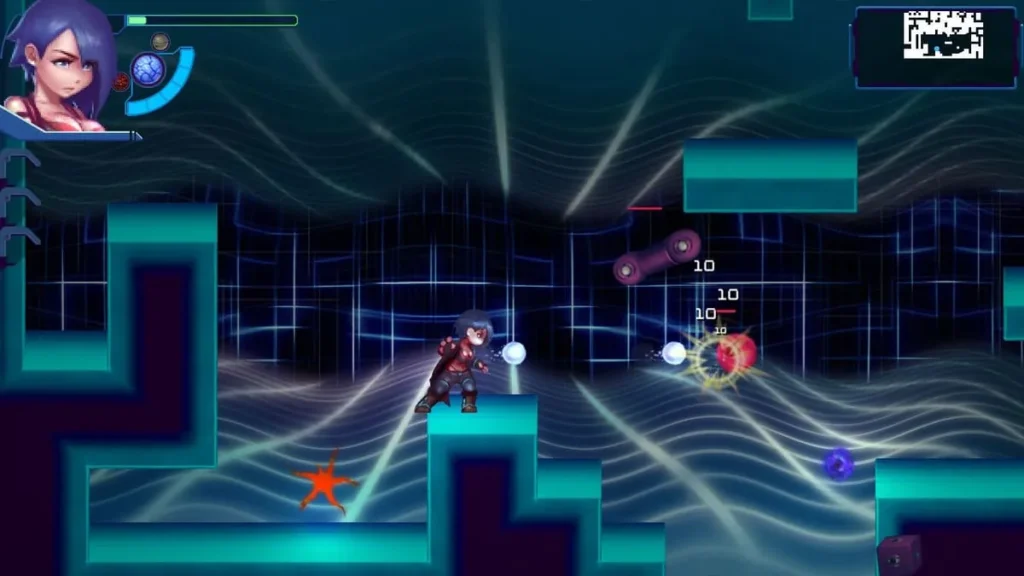
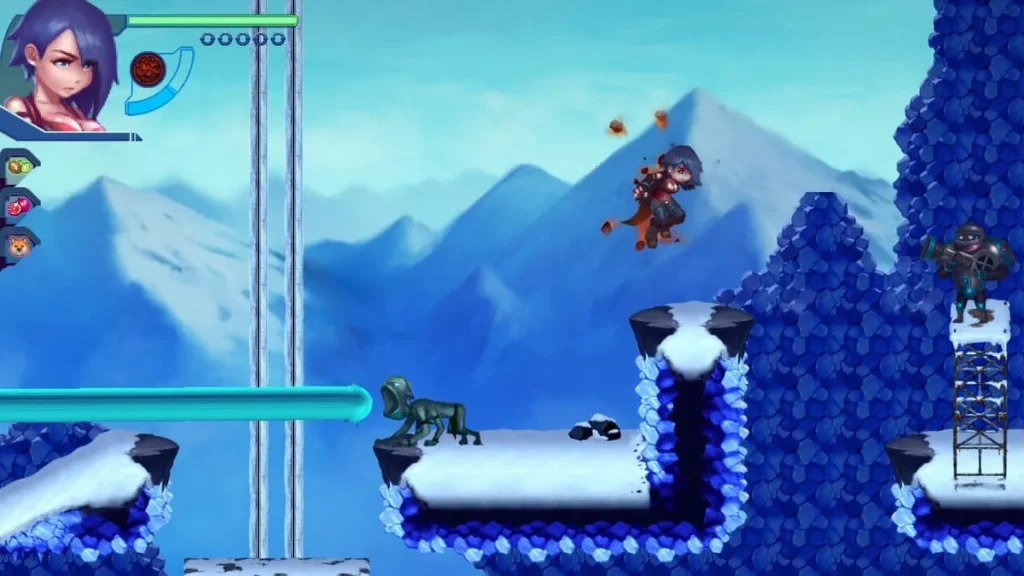
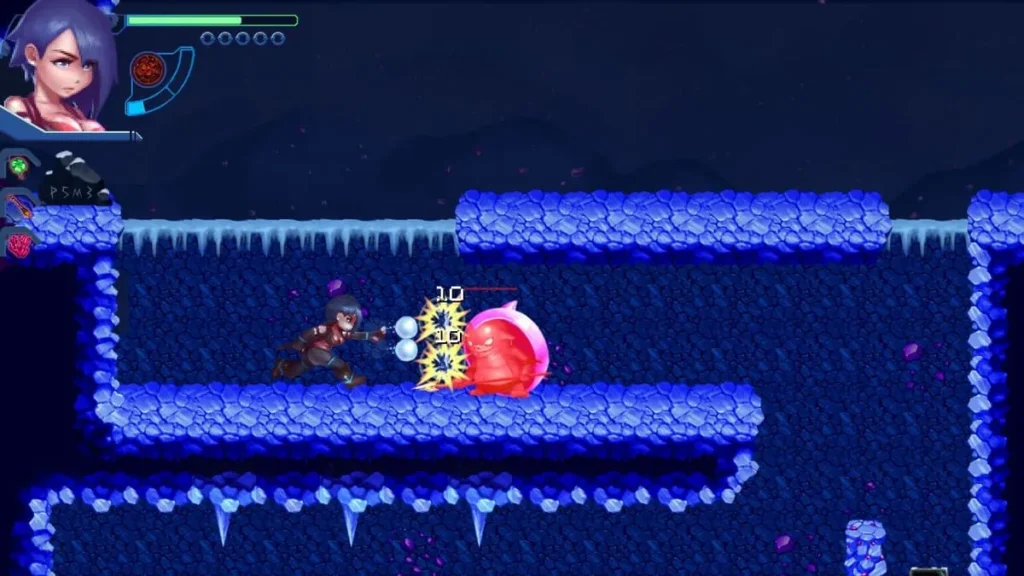
Future Fragments review
Exploring gameplay mechanics, storyline choices, and what makes this mature title stand out
Future Fragments stands out as a unique blend of platformer mechanics and narrative-driven gameplay set in a dystopian future. This adults-only title combines genre-mixing gameplay with branching storylines where player choices genuinely impact the narrative. Players take on the role of powerful mages Talia and Faye, sent from a magical kingdom in the year 1000 to a threatening future to seek fragments of a powerful weapon. With English voice acting, mind-bending gameplay that defies traditional genre boundaries, and a world filled with complex characters and moral choices, Future Fragments offers an experience that goes beyond typical game conventions. Whether you’re drawn to science fiction narratives, challenging platformer mechanics, or games where your decisions matter, this title presents a compelling package worth exploring.
Gameplay Mechanics and Genre-Blending Design
You know that feeling when you’re playing a platformer and you think, “This is fun, but what if it had more… everything?” More weight to the combat, more reason to explore, more consequence to your choices? That was me, bouncing through yet another colorful but predictable world, craving something with more grit and teeth. Then I found Future Fragments, and let me tell you, it didn’t just satisfy that craving—it redefined what I thought a game in this space could be. 🚀
At first glance, you might slot it into a familiar category. But within minutes, it becomes brilliantly clear that this is a genre-blending video game of the highest order. It takes the precise, skill-based fundamentals of a classic platformer and welds them to the deep systems and atmospheric storytelling of a hardcore sci-fi adventure. The result isn’t a simple mashup; it’s a completely new alloy, forging a challenging platformer game experience that stands shoulder-to-shoulder with greats from entirely different genres. This chapter is a deep dive into the machinery that makes it tick.
What Makes the Platformer Mechanics Unique
Forget everything you think you know about floaty jumps and forgiving pits. The platformer game design in Future Fragments is built on a foundation of tangible physics and intentional momentum. Your character, Tamara, has a sense of weight and inertia. A jump isn’t just an upward sprite animation; it’s a committed arc you need to account for. This creates a learning curve that is deeply satisfying to master. You’re not just memorizing button presses; you’re learning a physical language.
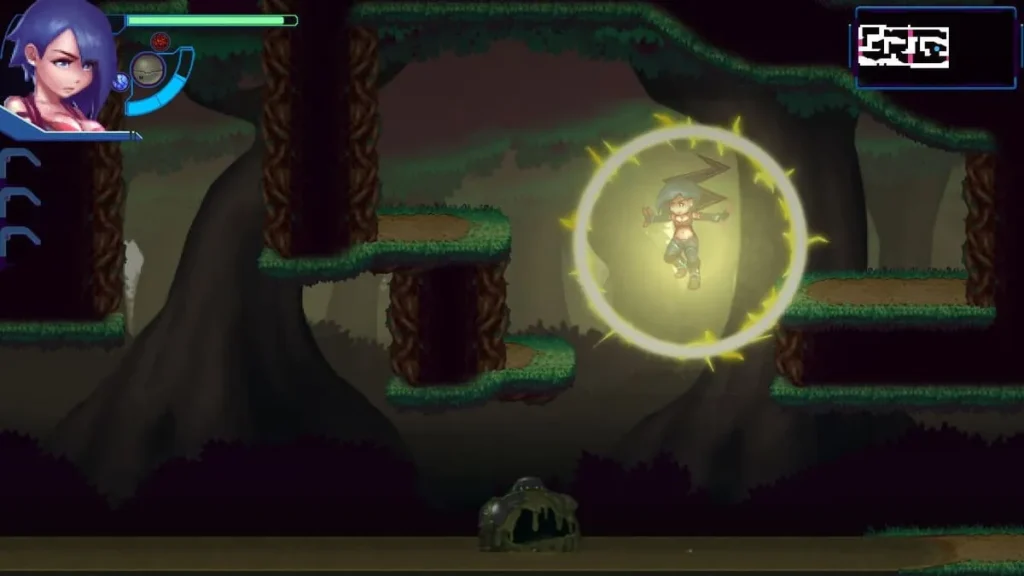
The core movement is complemented by a suite of tools that transform navigation into a dynamic puzzle. Early on, you gain a grapple beam—but this isn’t a simple swing-to-point-B tool. It requires you to judge distance, anchor points, and momentum to fling yourself across chasms or up to distant ledges. Later, a phase-shift module allows you to briefly pass through certain obstacles and enemies, adding a layer of tactical timing to evasion and sequence-breaking.
Pro Tip: The best advice I can give? Play the training modules. Seriously. Mastering the feel of the grapple-charge-jump combo is the difference between frustrating failure and feeling like a cyber-ninja.
This precision-focused platformer game design serves a greater purpose than just obstacle courses. The levels, or “Fragments,” are sprawling, multi-path environments that reward exploration with crucial story logs, upgrade materials, and hidden shortcuts. The platforming is the exploration. A tricky wall-jump sequence might lead to a secret lab with haunting audio logs that completely reframe your mission. It turns what could be empty space in other games into meaningful, discovery-filled territory.
Here’s a quick breakdown of the key movement mechanics that define the Future Fragments gameplay mechanics:
- Momentum-Based Jumping & Wall-Kicking: Your speed and direction carry through jumps. A running high-jump is different from a standing one, and chaining wall-kicks requires rhythm and control.
- The Grapple Beam: Your primary tool for traversal and combat positioning. It can latch onto specific points, pull you toward enemies, or swing you across gaps.
- Phase-Shift Module: A short-duration ability letting you pass through blue-hued hazards and enemies. Essential for solving environmental puzzles and avoiding damage in tight spots.
- Charge Slide: A fast, low-profile move for dodging under attacks or slipping through narrow passages without breaking stride.
This isn’t just about getting from A to B. It’s a toolkit for engagement, making every corner of the game’s rich sci-fi world a potential playground for skilled players. The sci-fi game mechanics aren’t just window dressing; they are intrinsically woven into the very act of movement.
How Genre-Mixing Elevates the Experience
Many games claim to blend genres, but often it feels like you’re playing two separate games awkwardly stitched together. Future Fragments is different. Its genre-blending video game philosophy is seamless and purposeful. The platforming isn’t a break from the story; it’s how you uncover it. The combat isn’t a separate minigame; it’s a dynamic test of your mastery over the environment.
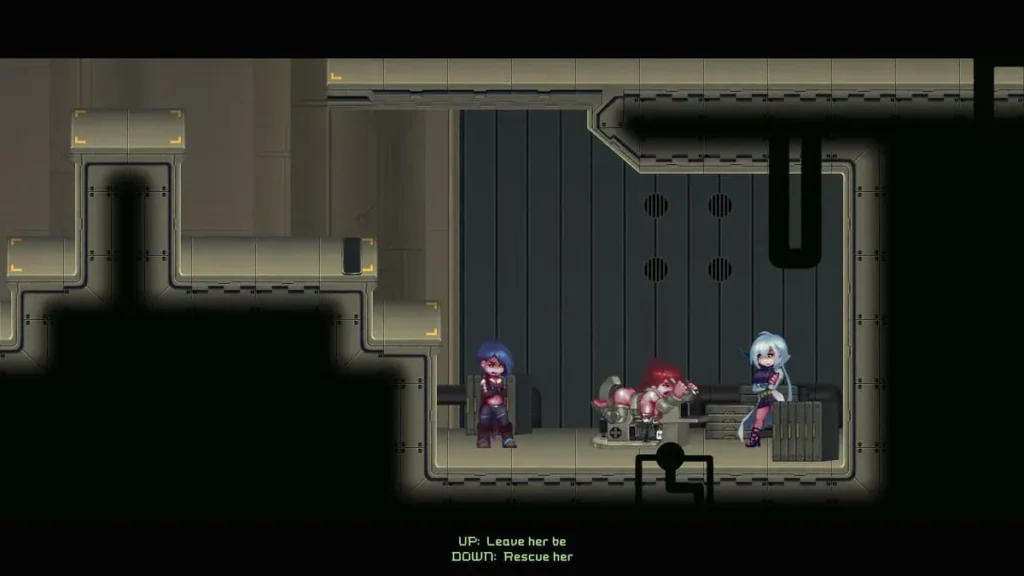
The most striking fusion is with immersive sim and RPG elements. As Tamara, you’re not just a avatar completing levels. You’re a specialist on a fractured, failing spaceship, and your actions have narrative weight. The choices you make—which paths to take, which allies to potentially help, which systems to override—can alter the fragments you access and the endings you unlock. I remember one playthrough where I prioritized bypassing security systems to access a restricted data hub. It locked me out of a later alliance with the ship’s defensive AI, but opened up a whole new path filled with corporate conspiracy logs I’d never seen before. It felt less like a “choice point” and more like a natural consequence of my playstyle.
This depth is what makes it feel more like a hardcore sci-fi game mechanics title than anything else. The “mature” aspects aren’t the focus; they are part of a mature, often bleak and thoughtful, sci-fi narrative about consciousness, corruption, and survival. You’re engaging with complex themes while executing complex jumps. The game trusts you to handle both.
The balance is masterful. You’ll have intense, quiet moments of exploration, piecing together the story through logs and eerie, abandoned environments. Then, the tension breaks into explosive combat system design sequences where your platforming skills are suddenly your greatest weapon. It creates a phenomenal rhythm that always left me wanting to see just one more fragment, uncover one more secret.
Combat Systems and Enemy Encounters
Ah, the combat. This is where Future Fragments truly separates itself from the pack. The combat system design is brutal, smart, and deeply integrated with the platforming. You can’t just spam an attack button. Every enemy encounter is a dangerous puzzle that demands spatial awareness, quick reflexes, and strategic use of your entire kit.
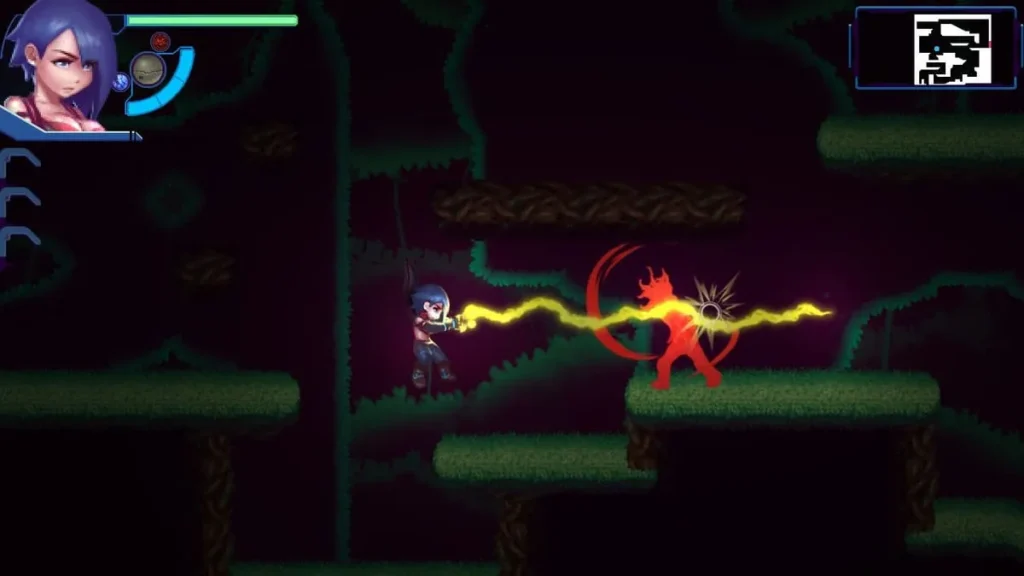
Your main weapon is your trusty energy blaster, but its effectiveness is tied to a heat management system. Hold the trigger too long, and it overheats, leaving you defenseless at the worst possible moment. This forces a rhythm of measured bursts, well-timed dodges, and using the environment. Can you lure that heavy unit over a pit and grapple-pull it to its doom? Can you phase-shift through its charge attack and strike its vulnerable back?
This is where understanding the Future Fragments enemies is critical. They are not just mobile damage sponges; they are specialized units designed to test specific skills. Learning their patterns is as important as any jump timing. Let’s break down the four basic archetypes you’ll master (or be mastered by):
| Enemy Type | Behavior & Threat | Preferred Engagement Strategy |
|---|---|---|
| Sec-Drone (Ranged) | Floating, fragile units that fire slow energy projectiles from a distance. Often deployed in groups to create hazardous firing lanes. | Use quick jumps and phase-shifts to close the gap. A single melee strike or a precise shot takes them out. Priority target to clear your movement space. |
| Brawler Unit (Melee) | Heavy, armored synthetics that charge or lunge with powerful close-range attacks. High health, designed to pressure and corner you. | Kite them with your blaster while backpedaling. Use the grapple to pull them off ledges or into hazards. Their charges are perfect to phase-shift through for a counter-attack. |
| Phase-Lurker (Displacer) | A true test of your nerves. Can teleport short distances, often appearing behind you. Their attacks can temporarily disrupt your systems. | Stay mobile and listen for their distinct teleport sound cue. Try to keep them in front of you. Bait a teleport, dodge, and punish. The grapple is less effective; precision shots are key. |
| Arc-Sentry (Turret) | Stationary or slowly panning defenses with rapid-fire or beam attacks. They control space and lock down areas. | Use cover and timed dashes to avoid fire while you shoot their weak point (usually a glowing core). Alternatively, use advanced platforming to get above or behind them for a safe takedown. |
🛡️ ⚔️
Engaging with these Future Fragments enemies is a constant dance. You’ll often face mixed groups—a couple of Sec-Drones pinning you down from a ledge while a Brawler Unit closes in. The solution is never just “shoot the closest one.” It’s about using your grapple to yank a drone into the brawler, creating an opening. It’s about sliding under a beam, wall-jumping to a higher vantage point, and picking off the turret controlling the room. The combat system design and the platformer game design are one and the same.
This fusion creates that legendary “hard but fair” feeling of the best challenging platformer games. When you die, you almost always know exactly what you did wrong: you mis-timed the phase shift, you overheated your blaster in a crowd, you didn’t respect the Arc-Sentry’s firing arc. And because the checkpoints are generous and the load times quick, you’re instantly back in the action, eager to apply the lesson. Your skill development is tangible. That room that wiped you five times yesterday becomes a smooth, stylish clearing today.
The Future Fragments gameplay mechanics create a loop of tension, release, and mastery that is utterly captivating. It’s a game that demands your focus and rewards it with a profound sense of accomplishment and a rich, player-driven narrative. It proves that deep, thoughtful mechanics and a mature, compelling world can exist not just in sprawling open-world RPGs, but in the focused, intense format of a brilliantly crafted platformer. This isn’t just another entry in the genre; it’s a bold blueprint for its future. 🔧🎮
Future Fragments represents a thoughtful approach to mature gaming that prioritizes narrative depth and gameplay innovation alongside its adult content. The game successfully blends platformer mechanics with branching storytelling, creating an experience where player choices genuinely matter and shape the narrative outcome. Through its complex world-building centered on the WORM society, compelling character arcs like Talia’s journey, and professional English voice acting, the title demonstrates that mature games can offer substantial gameplay and storytelling value. The genre-mixing approach keeps players engaged through varied mechanics and unexpected narrative turns, while the dystopian setting provides meaningful context for moral choices. Whether you’re interested in challenging platformer gameplay, narrative-driven experiences, or sci-fi world-building, Future Fragments offers a unique package that transcends typical genre conventions. For players seeking a game that treats mature themes with narrative sophistication while delivering solid gameplay mechanics, this title deserves consideration as a standout entry in its category.