Futa’s World of NTR
Play Futa’s World of NTR
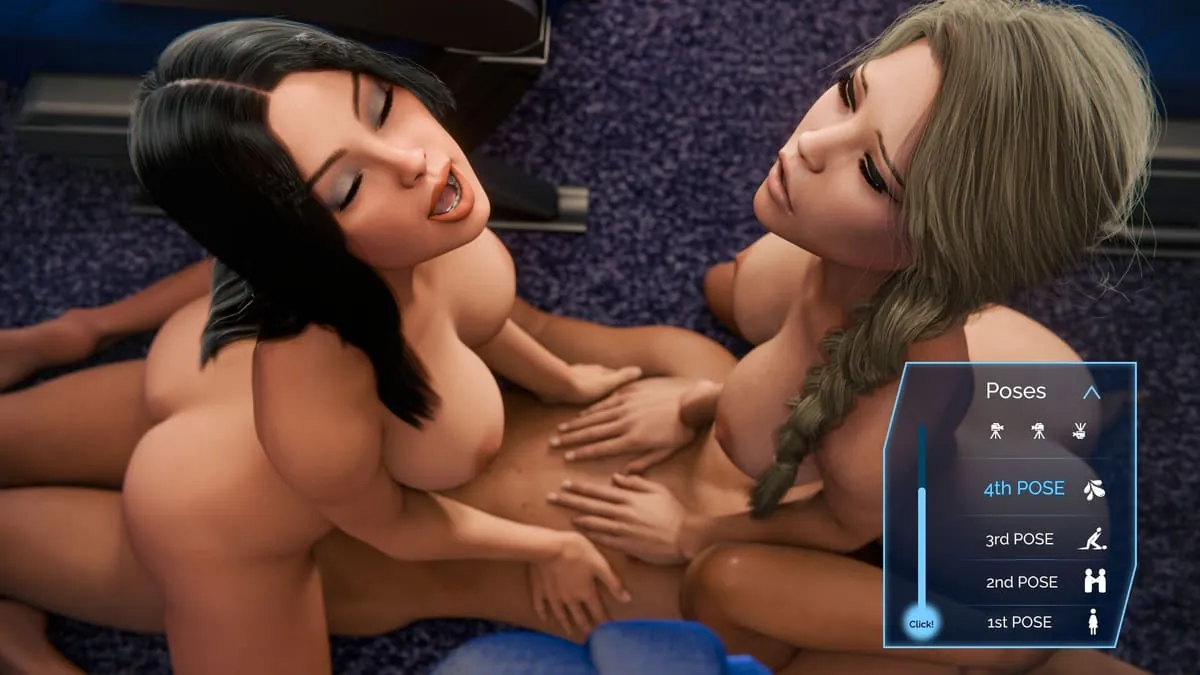
Futa’s World of NTR Screenshots







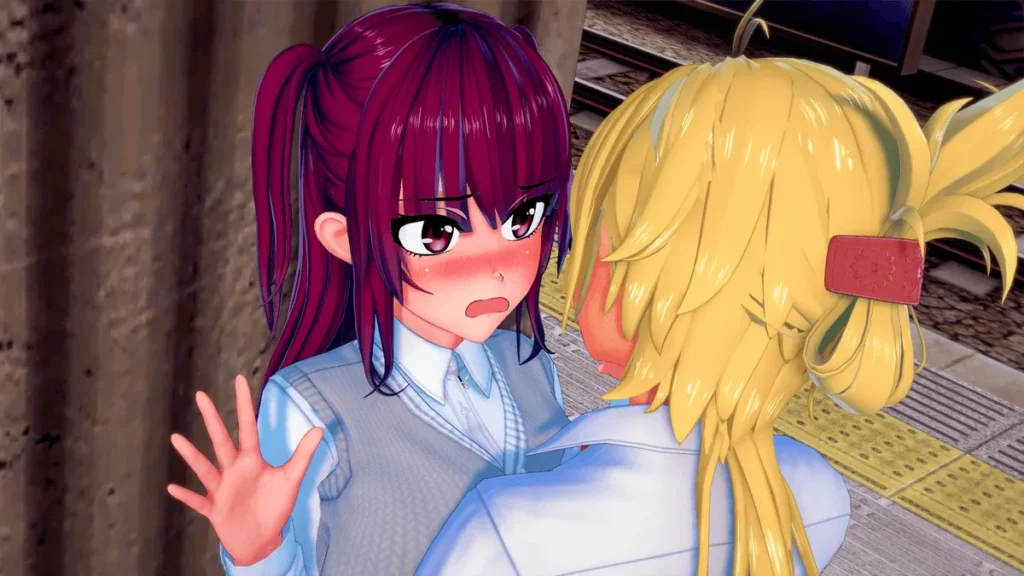

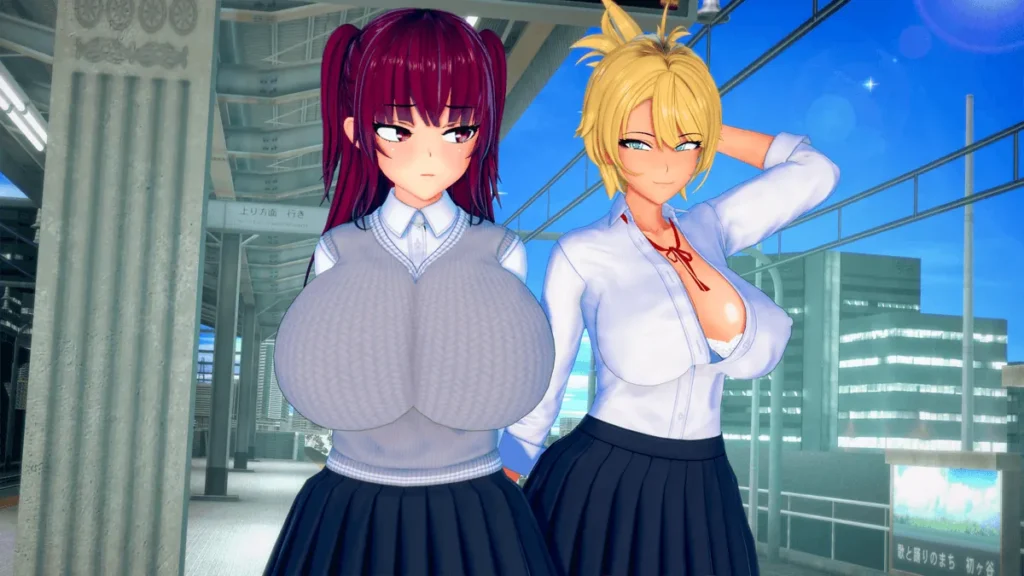
Futa’s World of NTR review
Explore Gameplay, Story, and Features of Futa’s World of NTR
Futa’s World of NTR is a distinctive interactive game that blends immersive storytelling with engaging gameplay elements. This article dives into the core aspects of Futa’s World of NTR, highlighting what makes it stand out in its genre. Whether you’re curious about the storyline, gameplay mechanics, or character dynamics, this guide offers a comprehensive look to help you understand and enjoy the game fully.
Exploring the Gameplay and Mechanics of Futa’s World of NTR
Diving into Futa’s World of NTR, you quickly realize this isn’t a passive experience. It’s a game that demands your attention, your empathy, and sometimes, your moral compass 🧭. The core of the Futa’s World of NTR gameplay is an intricate dance between narrative desire and strategic choice, where every conversation and every glance can pivot an entire storyline. Forget just clicking through dialogue; here, you’re living in a reactive world that remembers your every move.
What truly captivated me was the feeling that my playthrough was mine. The paths I walked, the relationships I nurtured (or sabotaged 🫣), and the outcomes I witnessed felt uniquely personal. This depth is why exploring its systems is so rewarding. Let’s peel back the layers and see what makes this game tick.
What Makes the Gameplay Unique? 🎮
At its heart, the Futa’s World of NTR gameplay is defined by its agency. You are not a passenger on a rail-shooter narrative; you are the pilot, navigator, and sometimes, the saboteur of your own journey. The game masterfully blends visual novel storytelling with light simulation and resource management elements, creating a tapestry of cause and effect.
The most standout of the unique gameplay features is the “Emotional Resonance” system. It’s not just about picking “Nice” or “Mean” dialogue options. Instead, your choices feed into a hidden web of character moods, trust levels, and latent desires. I remember early on, trying to be the “perfect” partner to a central character, only to discover my constant, smothering attention actually lowered her independence stat and made her more susceptible to another character’s advances later. It was a brilliant, gut-punch moment that taught me the game’s first lesson: intentions don’t always equal positive outcomes.
These interactive game mechanics are woven into every action. Do you spend your limited evening time improving your own skills at the gym, or do you tail a love interest to see where they go? Each decision consumes resources—time, energy, sometimes money—and opens or closes future branches. The world feels alive because it operates on a schedule; characters have lives that proceed with or without your intervention.
To give you a clearer picture of how these systems intertwine, here’s a breakdown of key mechanics:
| Gameplay Mechanic | Primary Function | Impact on Story & Progression | |
|---|---|---|---|
| Dialogue & Action Points | Limited daily resource for initiating conversations, giving gifts, or performing special actions. | Forces strategic prioritization. Spending points on one character means neglecting others, potentially missing their story beats or allowing rival influences to grow. | |
| Relationship & Trust Meters | Hidden numerical values representing your bond and reliability in the eyes of each character. | Directly gates story scenes, intimate moments, and crucial confession dialogues. High trust can unlock “intervention” options during key plot twists. | |
| Character Trait Triggers | Flags set based on your choices (e.g., “Seen as Jealous,” “Known as Supportive”). | Characters will reference your past behavior. A “Jealous” flag might make a partner more secretive, while “Supportive” could lead them to confide in you sooner. | |
| World Schedule & Exploration | A dynamic clock and map where characters move between locations at set times. | Finding a character in an unexpected location can trigger unique scenes. Failing to be at the right place at the right time can mean missing a pivotal event entirely. |
Character Interaction and Progression 👥
This is where the game truly shines. Character progression in Futa’s World of NTR is a two-way street. While you’re trying to guide the narrative, every major character is on their own developmental arc, influenced by you, by each other, and by their own programmed desires.
Your primary tools are dialogue and gifts, but it’s deeper than simple point farming. You have to “read the room.” A character feeling confident might respond well to a flirtatious challenge, while that same approach could crush another who’s feeling insecure. I learned this the hard way with the character Liam. After a major in-game setback, I chose a playful, teasing option thinking to lighten the mood. It backfired spectacularly, dropping our trust and locking me out of a supportive subplot for a whole in-game week. It felt brutally real.
Progression isn’t just about romance meters. Characters have statistics like Confidence, Curiosity, and Loyalty that change organically. Your actions, and the actions of rivals, directly affect these. Seeing a normally shy character gain Confidence because of your encouragement—or, alternatively, because of another’s attention—adds a profound layer to the player choices impact. You’re not just choosing an ending; you’re shaping people.
Furthermore, your own avatar can develop skills. Investing time in “Charm” or “Perception” can unlock new dialogue choices and environmental clues, adding an RPG-like layer to the interactive game mechanics. Want to notice that a love interest is nervously checking their phone? You might need a high enough Perception level. This makes your own character progression in Futa’s World of NTR a critical strategic element.
Navigating the Game World and Choices 🗺️
The game world navigation is elegantly simple on the surface—a central hub map with key locations—but devilishly complex in practice. The magic lies in the schedule. The café, the park, the college dorms; each location has specific characters visiting at specific times. Part of the core gameplay loop is learning these rhythms and planning your day.
Do you use your afternoon to “coincidentally” bump into someone at the library, or do you use that time to work a part-time job to earn money for a meaningful gift later? This constant decision making in game creates wonderful tension. The map becomes a chessboard, and you’re trying to anticipate moves several steps ahead.
But the true consequence lies in the narrative forks. The game rarely presents you with a glaring “CHOOSE A OR B” prompt. Instead, major player choices impact is cumulative. It’s the sum of a dozen smaller decisions: who you comforted after a bad day, which secret you promised to keep, what you failed to notice. I recall a playthrough where I was so focused on one relationship that I completely missed the subtle decay of another. When the dramatic climax for that neglected character occurred, I was blindsided and powerless to affect the outcome. The game didn’t punish me; it just faithfully reflected my priorities.
Tip: Keep a notepad handy, digital or physical! Jotting down character schedules and your observations about their mood shifts can be a game-changer for planning your strategy.
This style of decision making in game means there are no “right” answers, only your answers. It fosters incredible replayability. On a second run, knowing what can happen, you navigate the world with completely different goals—perhaps to engineer a specific confrontation or to protect a character at all costs. The game world navigation transforms from exploration to precise execution.
In the end, the unique gameplay features of Futa’s World of NTR coalesce into something special: a narrative engine where you feel genuinely responsible for the emotional turbulence on screen. The Futa’s World of NTR gameplay loop of observe, plan, interact, and face the consequences is deeply compelling. It’s a game that stays with you long after you close it, prompting you to wonder, “What if I had just been there that Tuesday afternoon?” And that question is the surest sign of a world that feels truly alive.
Futa’s World of NTR offers a compelling blend of narrative depth and interactive gameplay that keeps players engaged through meaningful choices and character development. Its unique mechanics and immersive world make it a standout title for fans of this genre. If you’re looking for a game that combines storytelling with player agency, Futa’s World of NTR is worth exploring. Dive in and experience the dynamic world it offers.