Desert Stalker
Play Desert Stalker
Desert Stalker Screenshots
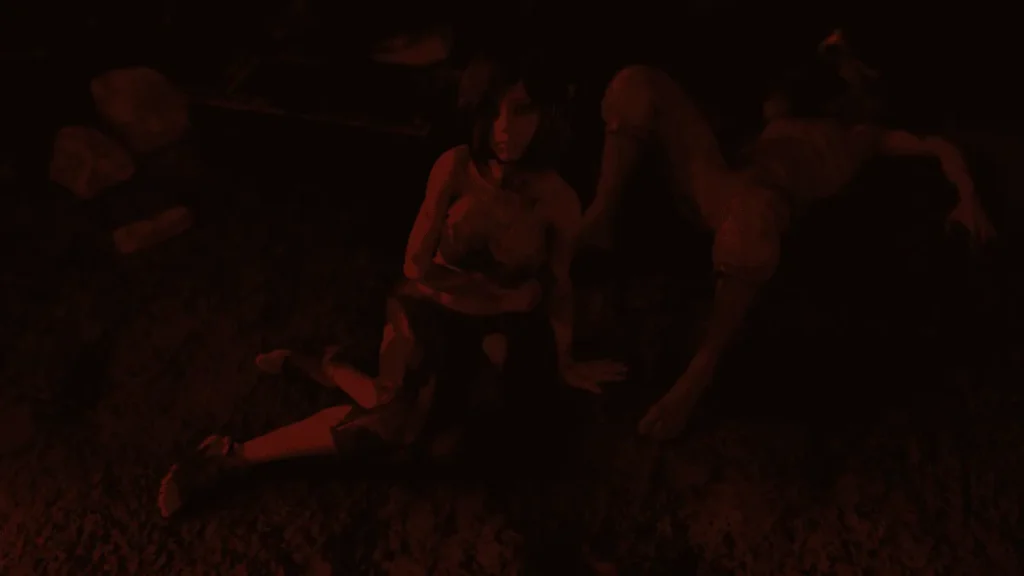


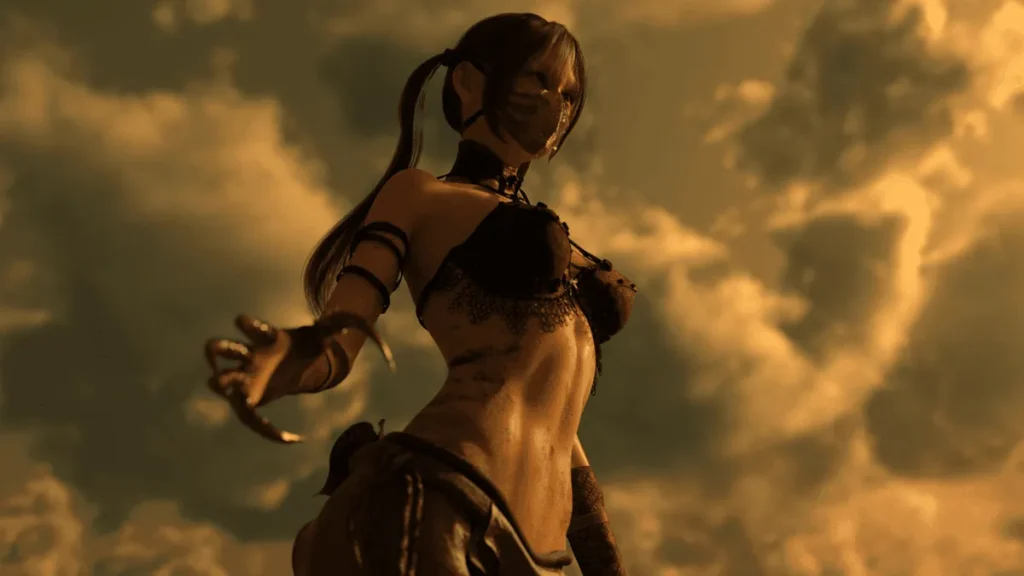
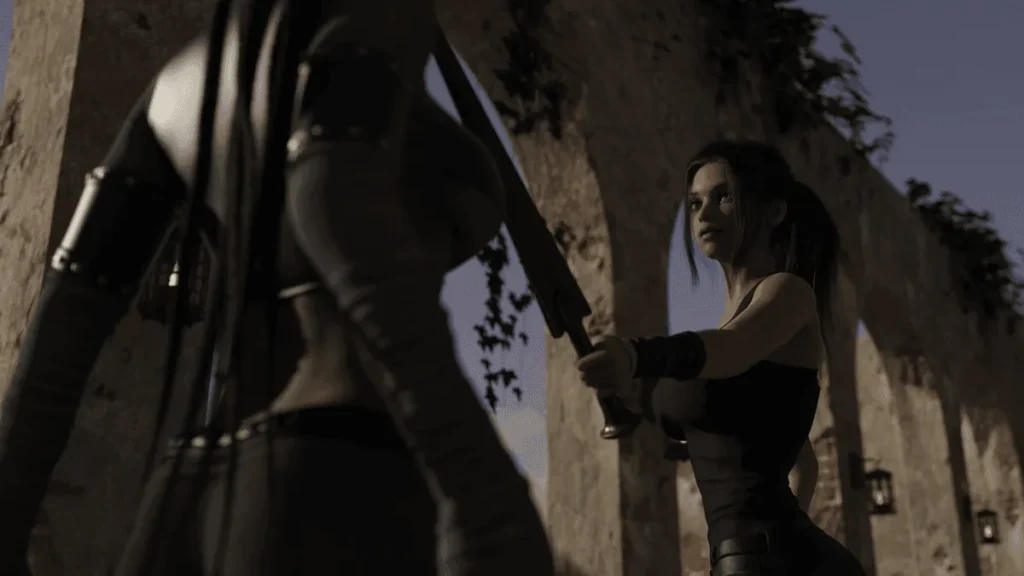


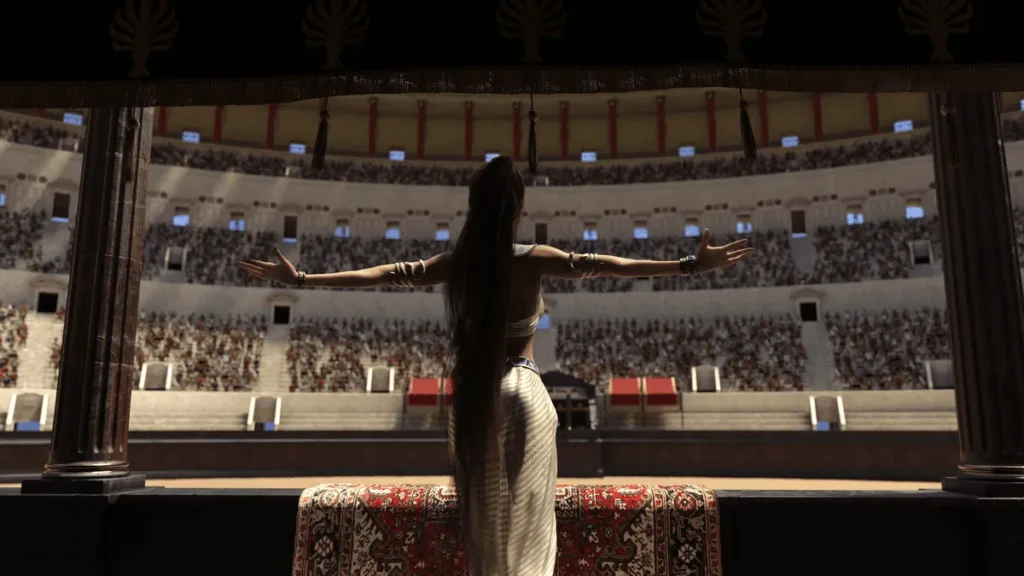
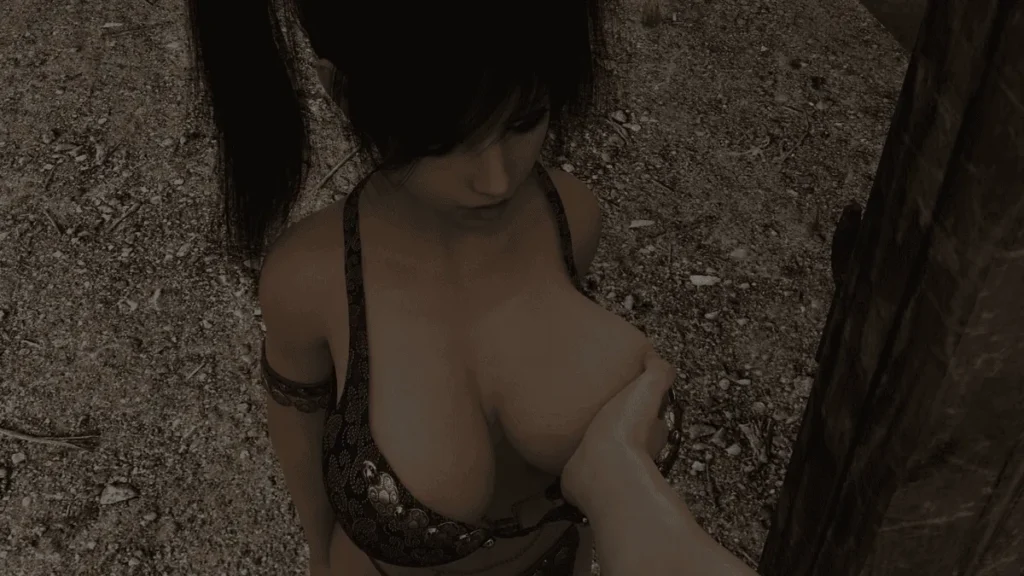
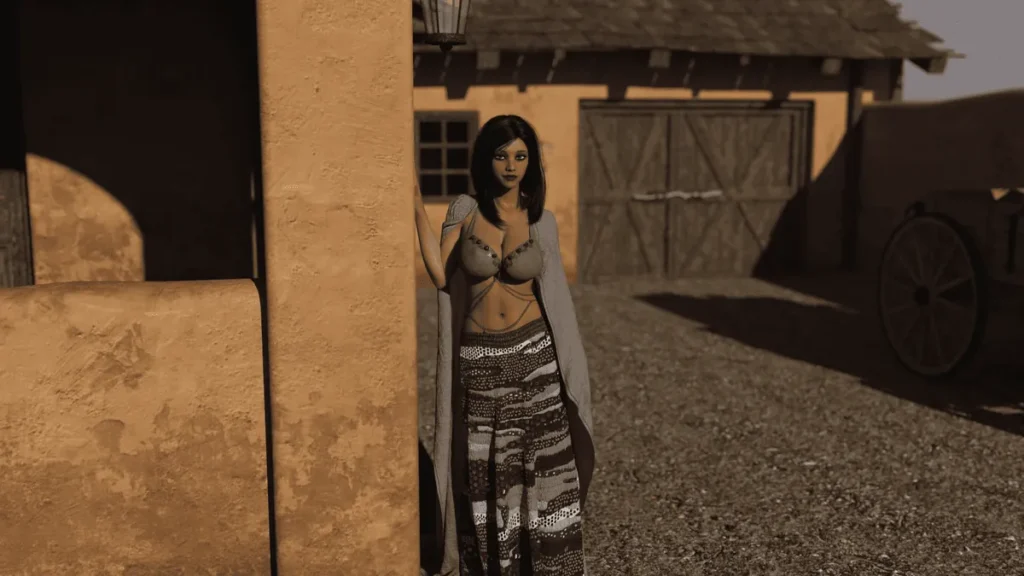

Desert Stalker review
Explore the immersive world and gameplay of Desert Stalker
Desert Stalker is a unique adult visual novel game that combines narrative depth with open-world exploration in a post-apocalyptic setting. Players take on the role of a seasoned scavenger navigating dangerous ruins, making impactful choices that shape their story and relationships. This article dives into the core aspects of Desert Stalker, providing insights into its gameplay, characters, and how it stands out in its genre.
Gameplay and Storyline of Desert Stalker
So, you’ve stepped into the scorching, wind-scoured dunes of this post-apocalyptic game, and you’re wondering what you’ve signed up for. Is it a pure action title? A linear narrative? Let me tell you, from my own hours spent navigating its beautiful, brutal world, Desert Stalker is a fascinating hybrid. 🏜️ At its heart, it masterfully blends deep visual novel game storytelling with the thrilling freedom of open world exploration. You’re not just playing a story; you’re living one, where every cracked canyon and abandoned bunker holds a secret, and every conversation is a crossroads.
This chapter is your guide to understanding that unique fusion. We’ll break down the core loop, see how your decisions truly matter, and discover what makes wandering its world so compelling.
What is the core gameplay experience?
The Desert Stalker gameplay is best described as a narrative-driven adventure with RPG elements. You take on the role of a scavenger, a skilled survivor navigating a world reclaimed by sand and mystery. The core loop is deeply satisfying: you explore the expansive open world to find resources and clues, which leads you to characters and locations that trigger quests. These quests are then played out through rich, choice-driven visual novel game sequences. It’s this seamless back-and-forth that defines the experience.
Think of it like this: during the day, you’re an explorer, managing your supplies and charting a course through dangerous territories. You might stumble upon a strange signal or a half-buried structure, marking a new point of interest on your map. 🗺️ Then, when you engage with that point—be it a desperate settlement or a hidden enclave—the perspective shifts. You enter a meticulously crafted narrative scene with stunning artwork, dynamic character portraits, and branching dialogue trees. This is where the Desert Stalker story unfolds in detail, and your choices begin to weave your unique tale.
Desert Stalker quests are the primary vessels for this story. They come in two main flavors, each serving a distinct purpose in building your journey:
| Quest Type | Primary Focus | Impact & Rewards |
|---|---|---|
| Main Quests | Drives the central narrative forward, revealing the world’s major secrets and conflicts. | Unlocks critical story arcs, new areas, and defines major relationship outcomes. |
| Side Quests | Explores character backstories, local troubles, and world-building lore. | Grants resources, deepens bonds with companions, and often unlocks alternative paths in the main story. |
In my first playthrough, I was so focused on the main mystery that I rushed past a side quest involving a struggling water farmer. Big mistake. 🤦 Later, during a critical main story moment, I lacked a key piece of local support that character could have provided. This interconnectivity means treating every Desert Stalker quest with attention, as the line between “side” and “main” content beautifully blurs.
How do player choices influence the story?
This is where Desert Stalker truly shines. The player choices impact isn’t an illusion; it’s the engine of the entire experience. From the moment you name your character and decide their initial demeanor, you are sculpting a legacy. The game avoids simple “good vs. evil” binaries. Instead, choices are often pragmatic, moral, and deeply personal, reflecting what kind of survivor you are in this harsh world.
Your decisions cascade in several powerful ways:
- Narrative Branching: Major story beats have multiple outcomes. Will you broker peace between two factions, or exploit their conflict for your own gain? The characters remember, and the plot adapts.
- Relationship Dynamics: Every significant interaction builds or erodes trust. A moment of generosity or a withheld truth can determine who will stand with you in a final confrontation, or who might betray you. My second playthrough was entirely different because I chose to be more secretive and self-interested, leading to a lonelier, more tense journey.
- World State: Certain choices can literally change the landscape. You might influence which settlements thrive or fall, opening or closing entire areas and questlines for the rest of your game.
Pro Tip: Don’t save-scum during your first run! The weight of your decisions—including the seemingly “bad” ones—is what makes the Desert Stalker story so immersive and personal. Live with the consequences; it’s a more authentic post-apocalyptic experience.
The game reinforces this through its presentation. Cinematic sequences with evocative music and sharp sound effects make every major choice feel momentous. A haunting score might underscore a tragic decision, while the sudden silence of the desert can make a covert choice feel intensely personal. This isn’t just about picking text options; it’s about feeling the emotional and practical reverberations of your role as the Desert Stalker.
What makes the open-world exploration unique?
Unlike vast, checklist-driven open worlds, the open world exploration in Desert Stalker feels intentional and atmospheric. The map is a character in itself—a sprawling, beautiful, and deadly desert filled with whispers of the past. 🐍 You’re not just ticking off icons; you’re piecing together a history through environmental storytelling.
What sets it apart is how exploration is tied directly to the Desert Stalker gameplay and story. You don’t explore just to find a new gun (though that can happen); you explore to find stories.
* A faded mural in a cave might reveal the origin of a local cult, giving you crucial context for an upcoming negotiation.
* The wreckage of a pre-fall vehicle might contain a logbook that becomes a key item in a companion’s personal quest.
* Simply observing the patterns of mutant creatures from a rocky outcout can unlock a new, safer travel route on your map.
This fusion means that open world exploration is never a separate, grindy activity. It is the act of investigation. Every journey into the dunes is a mission with purpose, driven by your curiosity or the needs of your current Desert Stalker quests. The atmosphere is paramount: the shimmering heat haze, the creak of your gear, the sudden howl of a dust storm that forces you to seek shelter. These elements make the world feel alive and reactive, a genuine challenge to be mastered rather than just a backdrop.
Ultimately, Desert Stalker succeeds because it makes every element speak to the others. Your exploration fuels the quests, your choices in those quests shape the story, and that evolving story gives new meaning to the world you explore. It’s a remarkable, cohesive loop that offers profound replayability. Each new game lets you ask: “Who will I be in the desert this time?” And the game is always ready with a compelling, player-driven answer. ✨
Desert Stalker offers a compelling blend of narrative depth and open-world gameplay, allowing players to immerse themselves in a richly crafted post-apocalyptic universe. The freedom to make meaningful choices and explore diverse quests creates a personalized experience that keeps players engaged. Whether you enjoy story-driven adventures or sandbox exploration, Desert Stalker provides a unique and memorable journey. Dive in and shape your own path in this captivating game world.